Ordinary Drink
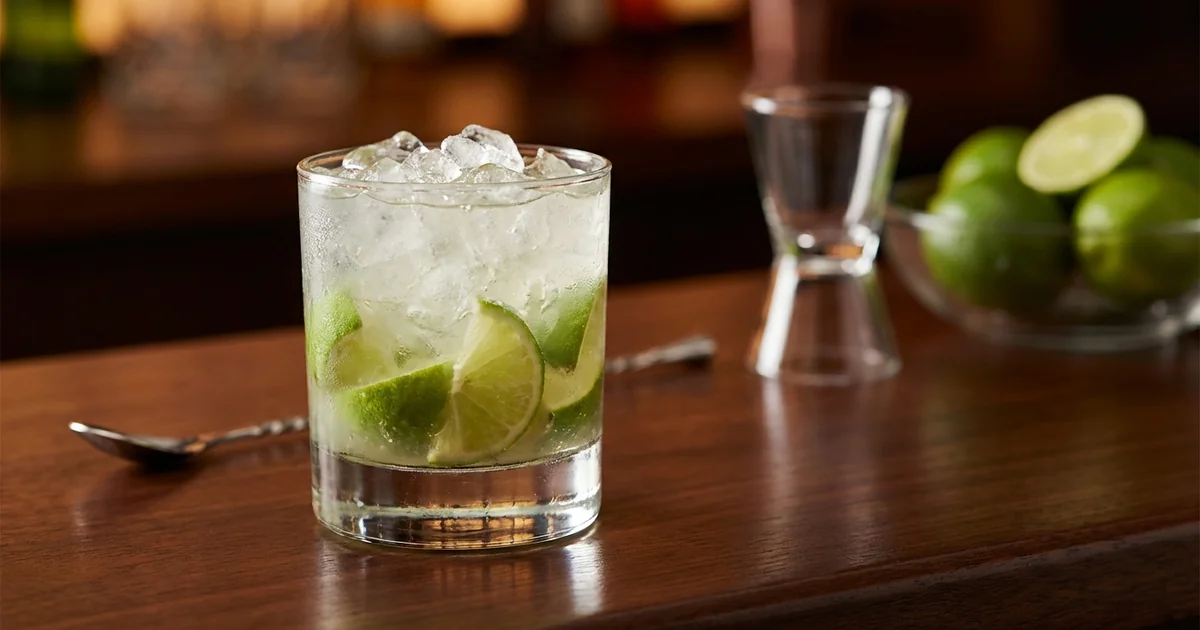
Caipirinha
The Caipirinha is a refreshing Brazilian cocktail made with cachaça, sugar, and fresh lime. This vibrant drink features muddled lime and sugar, which create a perfect balance of sweetness and tartness, complemented by the distinctive flavor of cachaça, a spirit distilled from sugarcane. Served over ice, it's a delightful choice for warm weather and festive occasions.
- sweet
- tangy
- refreshing
- vibrant

- Prep Time
- 3 min
- Glass
- Old-fashioned glass
- Difficulty
- Easy
- ABV
- 18%
- Yields
- 1 serving
The Caipirinha is a ordinary drink built on cachaca, celebrated for its sweet and tangy character — a consistently top-searched summer. Whether you're after a reliable beach gatherings option or simply want to master a classic, this 3-minute recipe is straightforward enough for home bars yet refined enough to impress. Perfect if you've been searching for the best party.
Key Takeaways
What you’ll learn
- Authentic caipirinhas require cachaça — Brazil's sugarcane spirit — not rum. The grassy, agricultural character of cachaça is what makes the drink distinctly Brazilian.
- Muddle lime wedges aggressively with granulated sugar directly in the glass for 30–45 seconds; the sugar crystals act as an abrasive to extract essential oils from the peel.
- Remove the white core from lime wedges before muddling — it is intensely bitter and will make the drink harsh if left in.
- The caipirinha was officially recognized as Brazil's national cocktail in 2003, though its roots trace back to a 19th-century folk remedy in São Paulo state.
- Fresh limes are non-negotiable; bottled juice lacks the aromatic peel oils that define the authentic muddled caipirinha.
Advertisement
Ingredients
- Serves
- 1 serving
- Glass
- Old-fashioned glass
- Prep
- 3 min
- 2 tspSugar
- 1Lime
- 2 1/2 ozCachaca
Method
Preparation
- 01
Place lime and sugar into old fashioned glass and muddle (mash the two ingredients together using a muddler or a wooden spoon). Fill the glass with ice and add the Cachaça.
Origin
History & Origins
The caipirinha is Brazil's soul in a glass — vibrant, bold, and unapologetically rustic. As the country's national cocktail, this deceptively simple drink captures the spirit of Rio's beaches, carnival celebrations, and centuries of sugarcane heritage. The caipirinha's exact origin is debated, but the most credible story traces it to São Paulo state in the 1800s, where an early version served as a folk remedy: lime, garlic, honey, and cachaça were combined to treat the Spanish flu. Over time the garlic and honey fell away, granulated sugar took their place, and the modern caipirinha emerged.
"Caipirinha" means "little countryside girl" or "little peasant" in Portuguese, reflecting the drink's rural, working-class origins. By the 1960s–70s it had gained popularity in Rio de Janeiro's beach bars and restaurants; by the 1980s–90s international recognition grew as cachaça exports increased. In 2003 the Brazilian government officially recognized the caipirinha as the national cocktail, cementing its cultural status.
By the 1960s–70s it had gained popularity in Rio de Janeiro's beach bars and restaurants; by the 1980s–90s international recognition grew as cachaça exports increased.
The caipirinha embodies Brazilian values: unpretentious, vibrant, communal, and celebratory. It is inseparable from carnival culture — street vendors serve thousands during festival season — and from the Brazilian table, where its acidity cuts through the rich fats of churrasco and feijoada. The drink's three-ingredient simplicity means every element must be right: quality cachaça, fresh ripe limes, and the willingness to muddle with real force.
Advertisement
Bartender’s Insight
Pro Tips
Use aggressive muddling — 30–45 seconds with real force. Unlike mojitos, caipirinhas demand vigorous extraction of both juice and essential oils from the lime peel.
From Sofia
Remove the white pith core running through the center of each lime wedge before muddling. This core is intensely bitter; leaving it in will make the finished drink harsh.
Use granulated (not superfine) sugar — the crystal abrasion against the peel during muddling is part of the extraction process. Demerara sugar adds subtle molasses complexity.
Fill the glass completely with crushed or cracked ice and stir for 15–20 seconds to dissolve sugar and chill fully. Encourage guests to stir again before each sip.
White (unaged) cachaça is the correct choice for caipirinhas — brands like Leblon, Novo Fogo Silver, or Avuá Prata deliver authentic grassy brightness. Gold aged cachaça is better sipped neat.
At the Table
Perfect Pairings
Beyond the Classic
Variations
Caipiroska (Vodka Caipirinha)
Replace cachaça with vodka for a smoother, more neutral version popular in Brazil itself despite the Russian-sounding name. Follow the same muddling technique with the same lime-and-sugar formula. Purists will argue, but it's enormously popular.
Caipirinha de Morango (Strawberry)
Add 4–5 hulled strawberries to the muddle alongside the lime and sugar. Reduce lime to half a lime and increase sugar to 1 tablespoon. Best made in late spring or early summer at peak strawberry season. The berries add fruity sweetness without changing the technique.
Caipirinha de Maracujá (Passion Fruit)
Muddle lime with sugar as normal, then add the pulp of 1–2 fresh passion fruits after muddling. The tropical, tart passion fruit creates one of the most intensely aromatic and popular Brazilian caipirinha variations.
Caipirinha de Abacaxi (Pineapple)
Add 3–4 fresh pineapple chunks to the muddle alongside half a lime. Very ripe pineapple is essential for best sweetness. The tropical sweetness rounds out cachaça's grassiness beautifully.
Watch
See it in action
Questions
Frequently Asked
- The Caipirinha has a flavor profile that is sweet, tangy, refreshing, vibrant. It is crafted to balance these characteristics into a harmonious, satisfying drink that appeals to a wide range of palates.
- The Caipirinha is ideal for beach gatherings, barbecues, tropical-themed parties. Its flavor profile and presentation make it a versatile choice that works equally well as a social cocktail or a relaxed evening drink.
- Yes, there are several ways to adapt a Caipirinha. If you cannot source Lime, look for a similar alternative that matches its flavor profile. Keep in mind that substitutions may alter the balance of the cocktail, so start with a smaller quantity and adjust to taste. The variations section above lists popular alternatives bartenders use.
- Some of the most popular Caipirinha variations include Caipiroska (Vodka Caipirinha), Caipirinha de Morango (Strawberry), Caipirinha de Maracujá (Passion Fruit). Each variation puts a unique twist on the original recipe while retaining the essential character of the classic cocktail.
- The Caipirinha is traditionally served in a Old-fashioned glass. Using the right glassware is important because it affects the aroma, temperature retention, and overall drinking experience. If you do not have a Old-fashioned glass on hand, a similar shaped glass will work.
- Yes, a mocktail version of the Caipirinha is possible. Replace the base spirit with a non-alcoholic spirit alternative (there are many quality options available) and keep all other components the same. The result will capture much of the original's flavor profile while being suitable for guests who prefer alcohol-free options.
Other Cachaca Cocktails
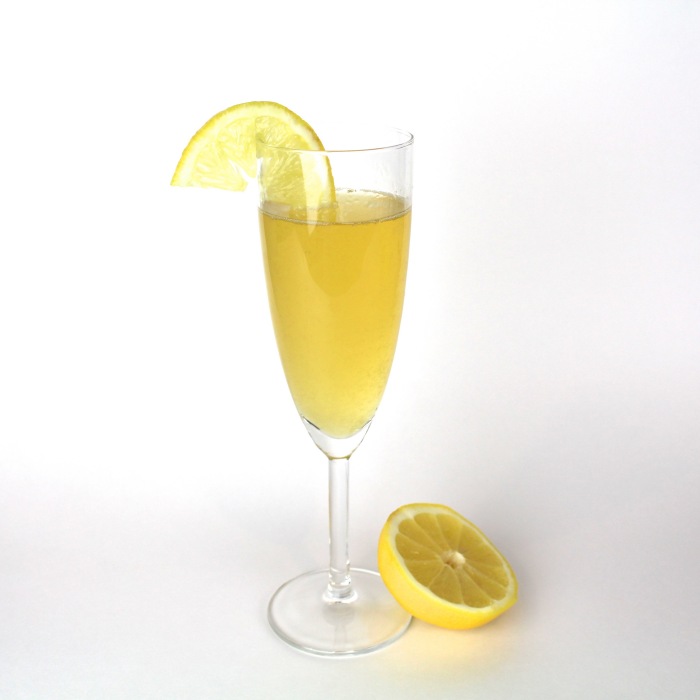
Girl From Ipanema
The Girl From Ipanema is a refreshing Brazilian cocktail that captures the essence of the iconic bossa nova tune. Combining smooth cachaça, zesty lime juice, and a hint of sweetness, it evokes the vibrant spirit of Ipanema beach. Served over ice and garnished with a lime wedge, this drink is perfect for sipping on a warm day while enjoying the rhythm of life.
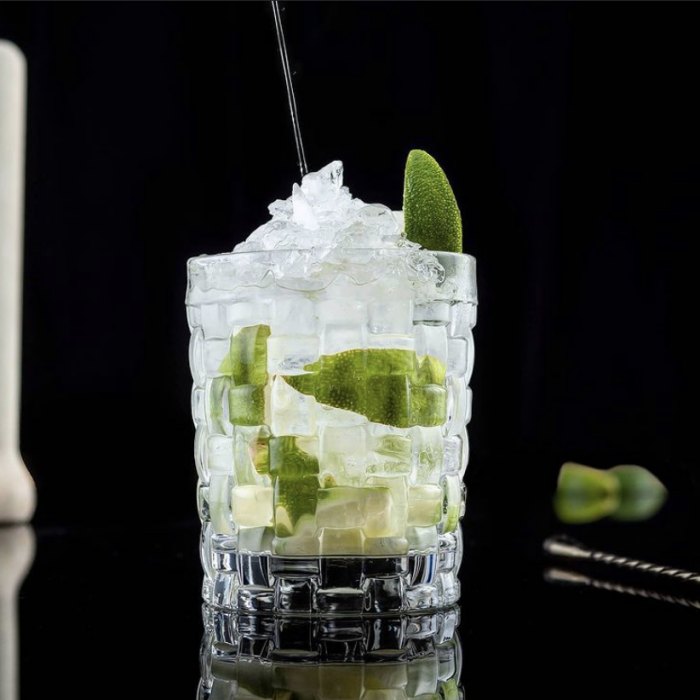
Elderflower Caipirinha
The Elderflower Caipirinha is a refreshing twist on the classic Brazilian cocktail, blending the vibrant flavors of cachaça with the delicate floral notes of elderflower liqueur. This delightful drink is complemented by muddled lime and sugar, creating a perfect balance of sweetness and tartness, ideal for warm evenings or festive gatherings. Served over ice, it’s a sophisticated yet approachable choice for cocktail lovers.
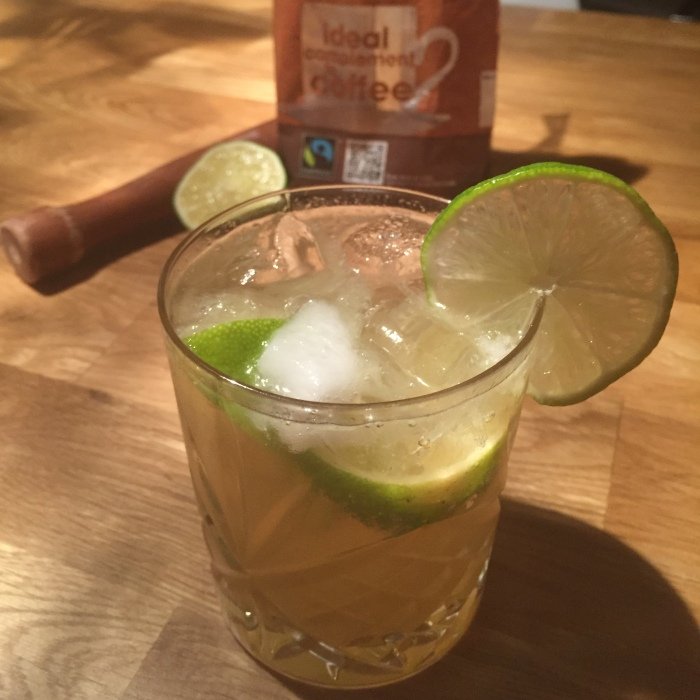
Dark Caipirinha
The Dark Caipirinha is a tantalizing twist on the classic Brazilian cocktail, combining the vibrant flavors of cachaça with the rich depth of dark rum. Fresh lime and sugar are muddled together to create a refreshing base, while the addition of dark rum adds a hint of caramel and spice, resulting in a bold and invigorating drink that’s perfect for any occasion. Enjoy it over ice for a delightful blend of sweet and tangy notes.
Other beach gatherings Cocktails
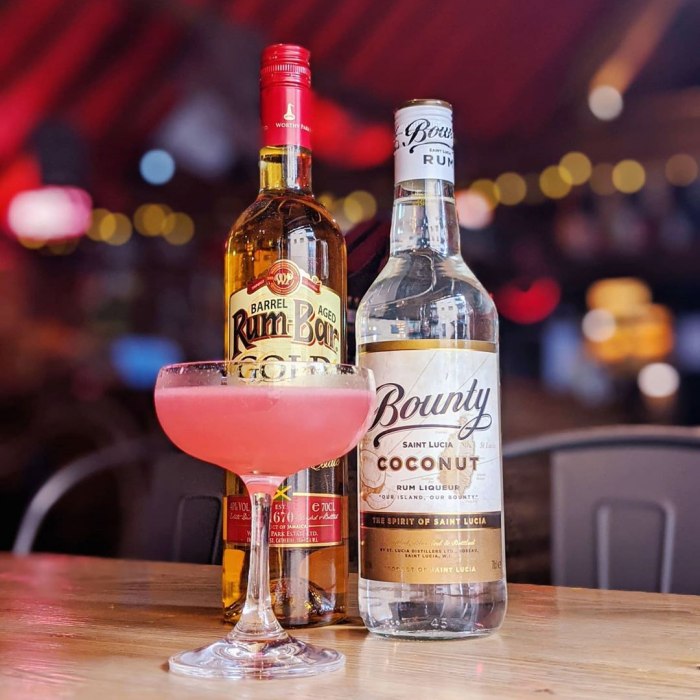
Bounty Hunter
The Bounty Hunter is a tropical cocktail that captures the essence of adventure with its vibrant blend of rum, coconut cream, and pineapple juice, complemented by a hint of lime. Served over crushed ice and garnished with a slice of fresh pineapple or a cherry, this refreshing drink transports you to a sun-soaked beach, making it the perfect escape for any occasion.
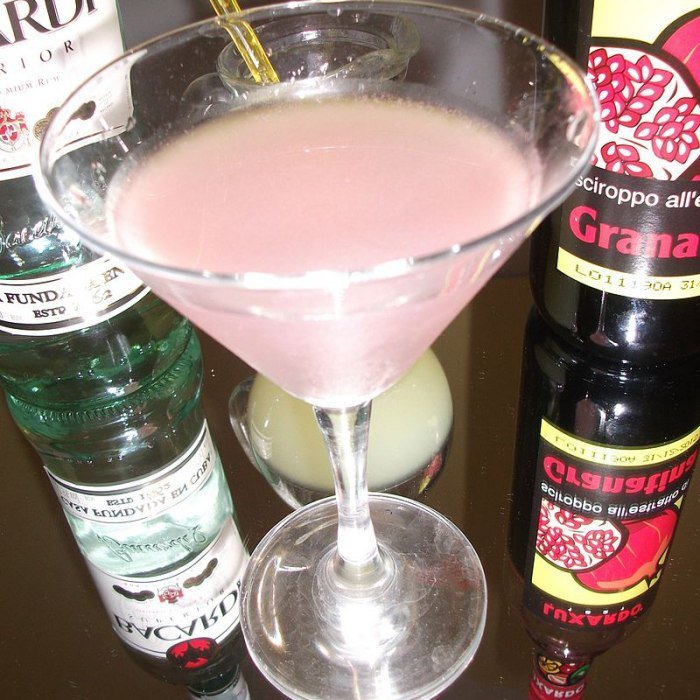
Bacardi Cocktail
The Bacardi Cocktail is a refreshing and vibrant mix that showcases the smoothness of Bacardi rum, complemented by fresh lime juice and a touch of grenadine for a hint of sweetness. Served chilled in a classic cocktail glass, this drink is perfect for those seeking a tropical escape with a balanced flavor profile. Its bright red hue and zesty notes make it a delightful choice for any occasion.
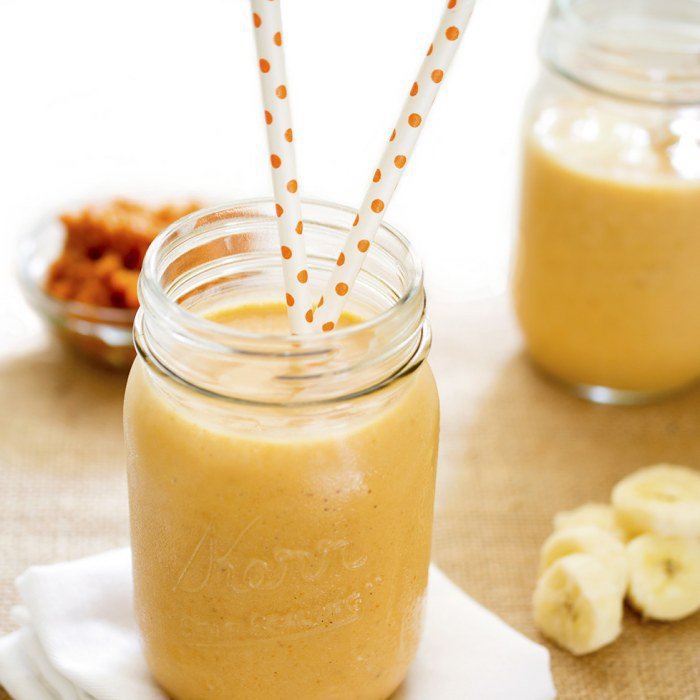
Sweet Bananas
The Sweet Bananas cocktail is a delightful blend of ripe banana puree, creamy coconut milk, and a splash of rum, creating a tropical escape in every sip. Topped with a hint of vanilla and garnished with a slice of fresh banana, this refreshing drink is perfect for warm evenings and sunny gatherings. Indulge in its smooth, sweet flavor that transports you straight to a beach paradise.
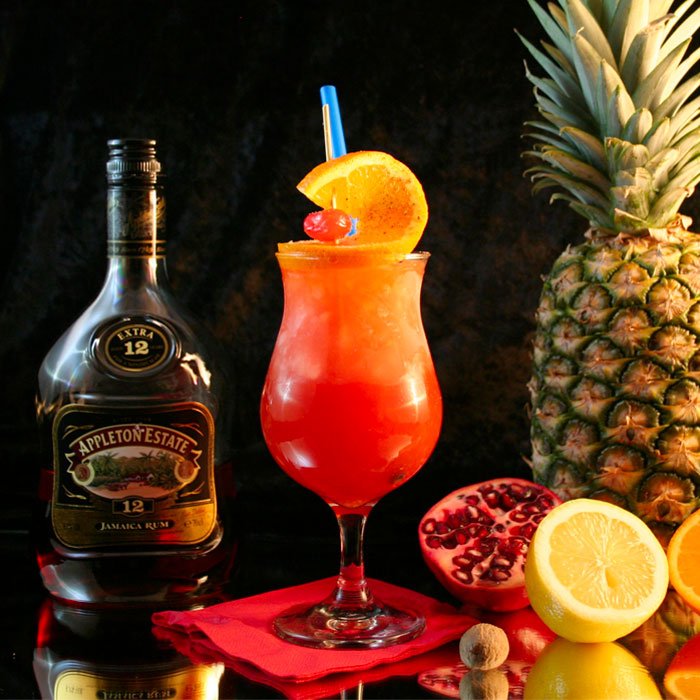
Planter’s Punch
Planter's Punch is a refreshing tropical cocktail that combines dark rum, fresh citrus juices, and a hint of sweetness, often enhanced with spices or fruit garnishes. Originating in the Caribbean, this vibrant drink is perfect for sipping on a warm day, evoking the laid-back island vibes with every delightful sip. Its colorful presentation and balanced flavors make it a favorite among rum enthusiasts and cocktail lovers alike.
Similar Flavor Profiles
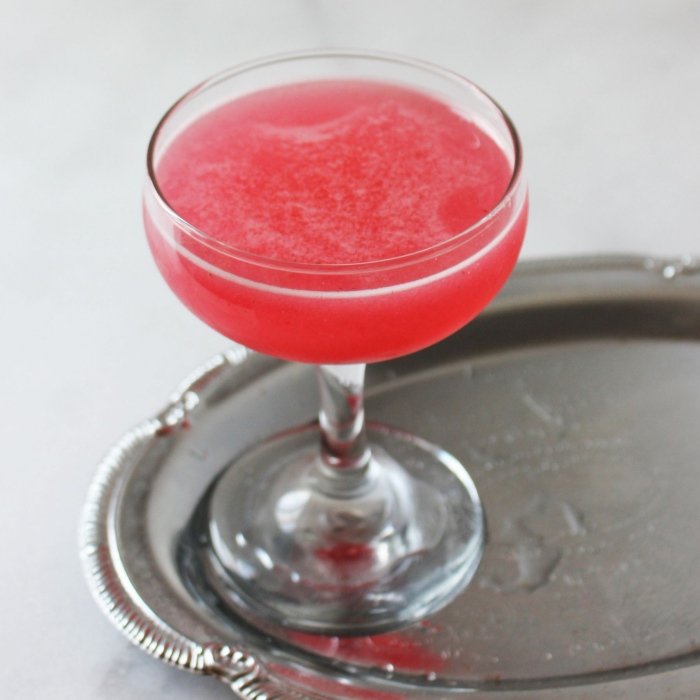
Moranguito
The Moranguito is a refreshing cocktail that combines the vibrant flavors of fresh strawberries and zesty lime with a splash of rum or vodka, creating a delightful balance of sweetness and tartness. Served over ice and often garnished with mint leaves, this drink is perfect for warm days and lively gatherings, inviting you to savor every sip. Its bright red hue and fruity aroma make it as visually appealing as it is delicious.
Bacardi Cocktail
The Bacardi Cocktail is a refreshing and vibrant mix that showcases the smoothness of Bacardi rum, complemented by fresh lime juice and a touch of grenadine for a hint of sweetness. Served chilled in a classic cocktail glass, this drink is perfect for those seeking a tropical escape with a balanced flavor profile. Its bright red hue and zesty notes make it a delightful choice for any occasion.
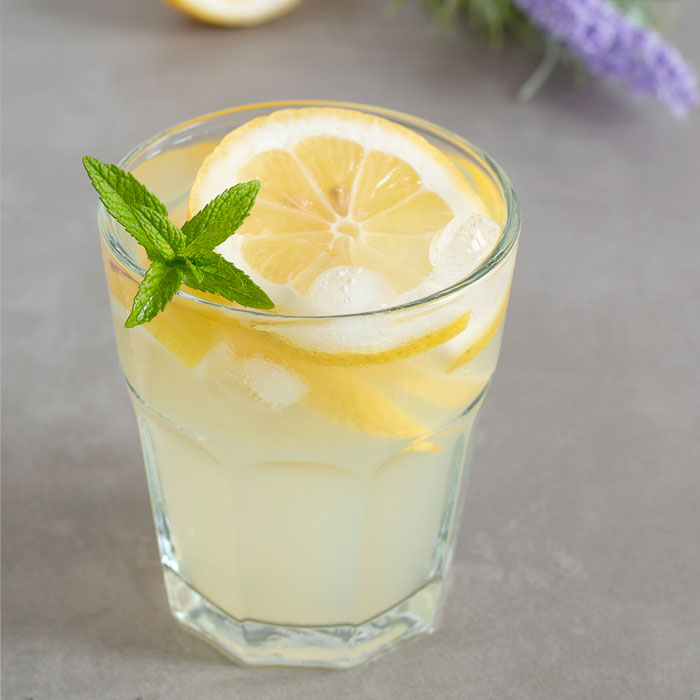
Vodka Lemon
Vodka Lemon is a refreshing cocktail that combines smooth vodka with zesty lemon juice, creating a perfect balance of tartness and sweetness. Often served over ice, it can be garnished with a lemon slice or twist for an extra burst of citrus flavor. This simple yet invigorating drink is ideal for warm days or casual gatherings.
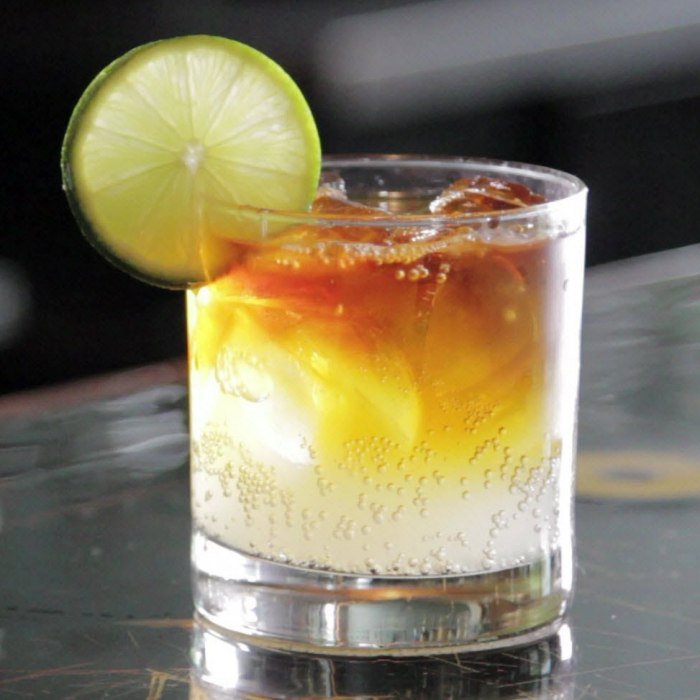
Dark and Stormy
The Dark and Stormy is a refreshing cocktail that combines dark rum, ginger beer, and fresh lime juice, creating a perfect balance of spicy and sweet flavors. Served over ice, it features a striking dark layer of rum floating atop the fizzy ginger beer, reminiscent of a tempestuous sea. This classic drink is not only delicious but also embodies a sense of adventure and coastal charm.
Advertisement