Cocktail
Mojito
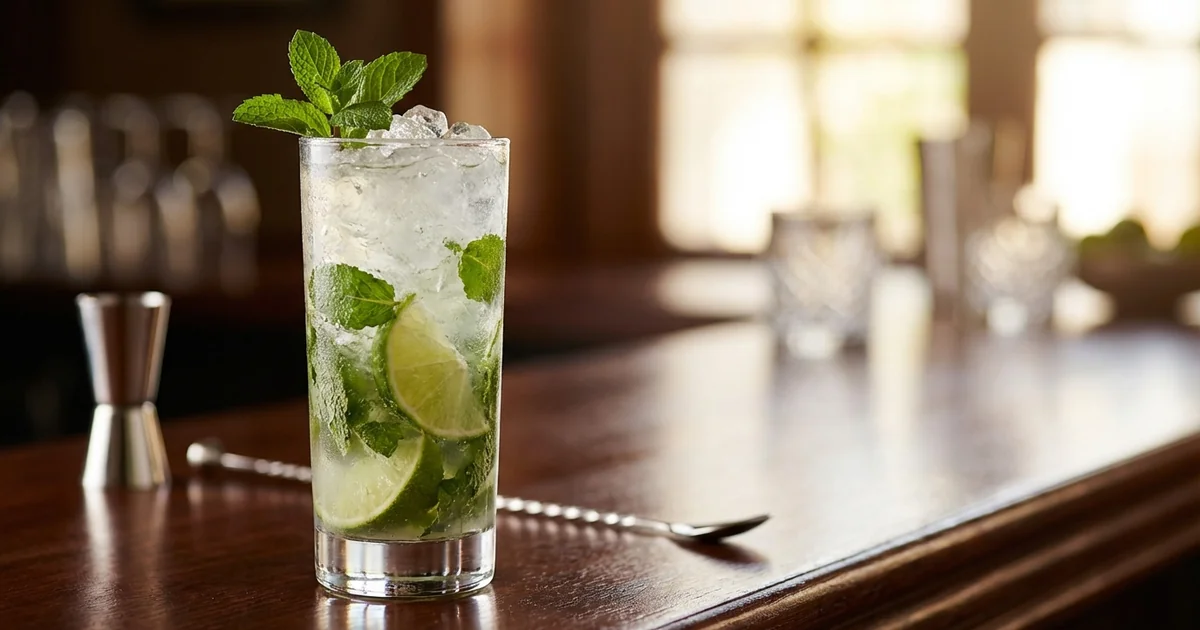
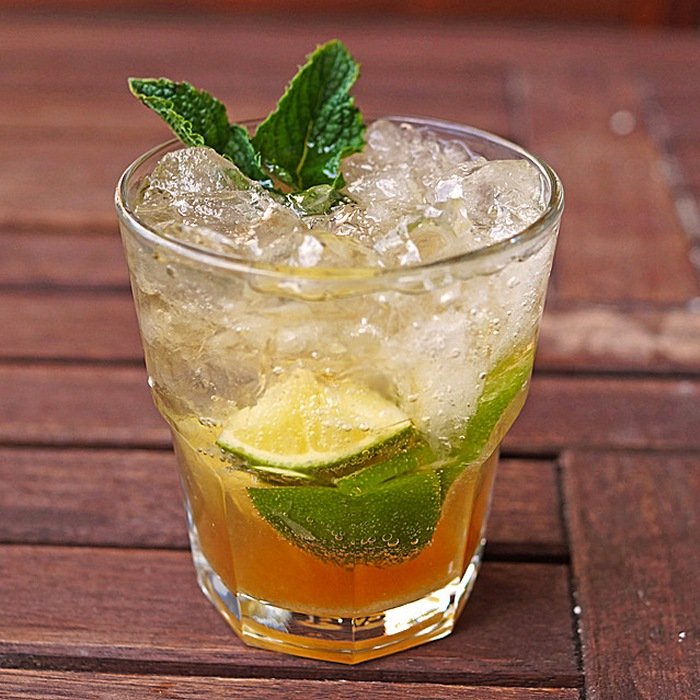
The Mojito is a refreshing Cuban cocktail that combines white rum, fresh mint leaves, lime juice, sugar, and soda water. Its vibrant flavors and invigorating mint aroma make it a perfect choice for warm weather, offering a delightful balance of sweetness and tang. Served over ice, the Mojito is not only a thirst-quencher but also a classic favorite among cocktail enthusiasts.
- refreshing
- minty
- citrusy
- slightly sweet
- Prep Time
- 3 min
- Glass
- Highball glass
- Difficulty
- Easy
- ABV
- 11%
- Yields
- 1 serving
At its core, the Mojito is a rum-forward cocktail that takes about 3 minutes to make. The result is refreshing and minty — worth every second. Consistently one of the most popular summer searches, and for good reason.
Key Takeaways
What you’ll learn
- Gently muddle mint leaves — only 3–4 presses — to release aromatic oils without breaking cell walls and releasing bitter chlorophyll.
- Use white rum, fresh lime juice, and real cane sugar or simple syrup for authentic Cuban flavor.
- Build directly in the glass for proper dilution and layered presentation; add soda water last and stir only once.
- Quality ingredients make the difference — fresh lime juice and fresh mint are non-negotiable for a proper mojito.
- Master the classic before experimenting with fruity variations like strawberry, pineapple, or coconut.
Advertisement
Ingredients
- Serves
- 1 serving
- Glass
- Highball glass
- Prep
- 3 min
- 2-3 ozLight rum
- Juice of 1Lime
- 2 tspSugar
- 2-4Mint
- Soda water
Method
Preparation
- 01
Muddle mint leaves with sugar and lime juice. Add a splash of soda water and fill the glass with cracked ice. Pour the rum and top with soda water. Garnish and serve with straw.
Origin
History & Origins
The mojito is more than just a cocktail — it is a liquid postcard from 1950s Havana. This Cuban classic, beloved by Ernest Hemingway and beachgoers worldwide, perfectly balances fresh mint, tangy lime, and smooth white rum with just the right amount of fizz. Its roots stretch back centuries into Cuban drinking culture, with some historians tracing a proto-mojito to a medicinal drink called "El Draque," named after English privateer Sir Francis Drake, who reportedly mixed aguardiente with mint, lime, and sugar during his 16th-century Caribbean voyages.
The modern mojito as we know it crystallized in 1930s Havana, where it became the signature drink of La Bodeguita del Medio, a small bar on a narrow Havana street that opened in 1942. Ernest Hemingway, who lived in Cuba for much of the 1940s and 1950s, became the mojito's most famous ambassador. According to bar legend, he scrawled on the wall of La Bodeguita: "My mojito in La Bodeguita, my daiquiri in El Floridita" — though historians debate whether he wrote those exact words. What is certain is that Hemingway preferred his mojitos with minimal sugar and extra rum, a variation that some call the "Papa Doble" approach.
According to bar legend, he scrawled on the wall of La Bodeguita: "My mojito in La Bodeguita, my daiquiri in El Floridita" — though historians debate whether he wrote those exact words.
For much of the 20th century, the mojito remained largely a Cuban and Caribbean drink. Its global spread accelerated dramatically in the 1990s and 2000s, helped in part by tourism to Cuba and the growing craft cocktail movement that valued fresh ingredients and classic technique. Today it ranks among the world's most ordered cocktails, a testament to how a handful of simple ingredients — white rum, lime, mint, sugar, and soda — can create something universally refreshing and endlessly satisfying.
Advertisement
Bartender’s Insight
Pro Tips
Clap the mint between your palms before it hits the glass. This releases aromatic oils without the cell wall rupture that causes bitterness during muddling.
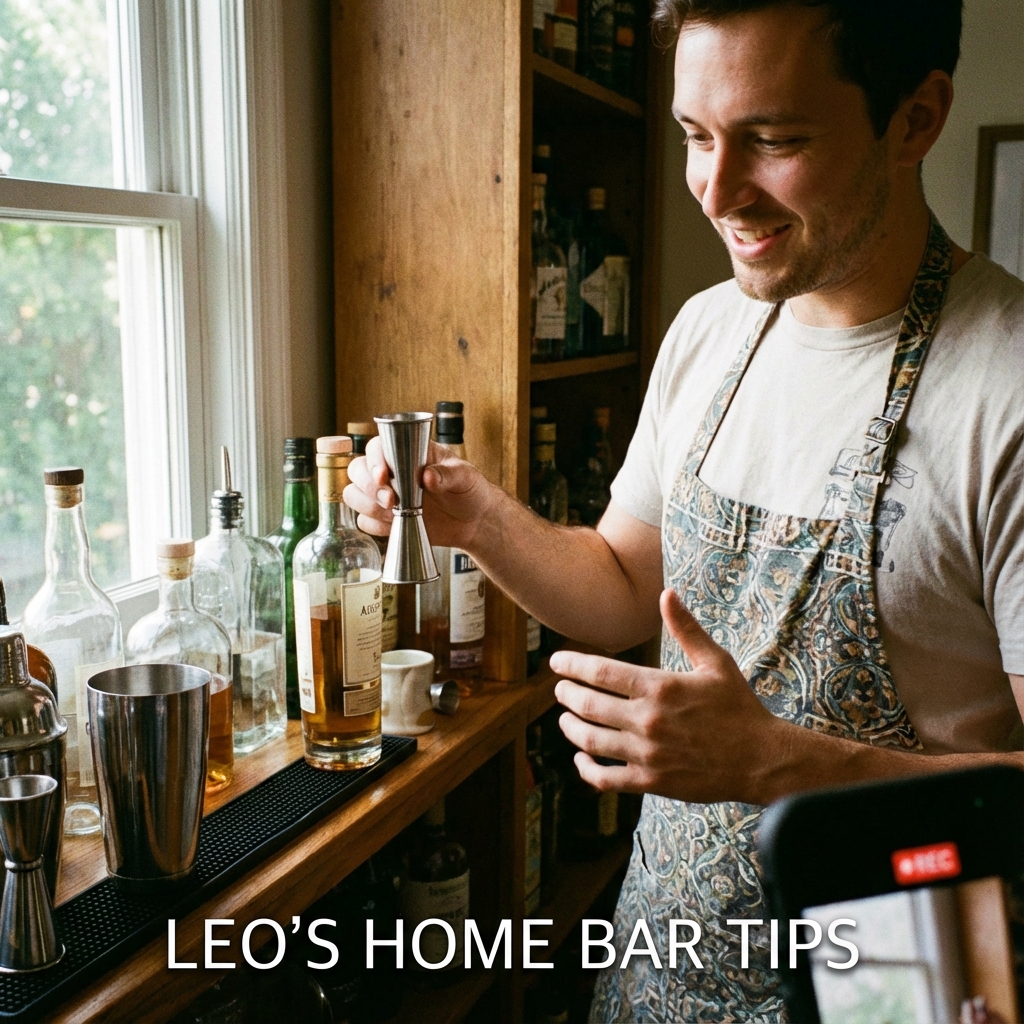
From Leo
Muddle only 3–4 gentle presses. Your mint should look bruised and slightly darker but remain intact. Pulverized mint turns the drink bitter and murky.
Use Cuban-style white rum such as Havana Club 3 Year or Flor de Caña 4 Year. Avoid spiced, dark, or heavily aged rum — these compete with the mint and lime rather than complementing them.
Add soda water last and stir just once gently. Over-stirring after adding the soda destroys the carbonation that gives the drink its signature fizz.
Use cubed ice, not crushed. Crushed ice melts far too quickly, over-diluting the mojito before you've taken half a dozen sips.
Start with less sweetener than you think you need — 0.75 oz simple syrup to 1 oz lime juice is the proven ratio. Taste as you build and adjust before adding ice.
At the Table
Perfect Pairings
Beyond the Classic
Variations
Strawberry Mojito
Add 3–4 fresh quartered strawberries to the glass with the mint and muddle together. Use peak-season strawberries for the best flavor. The berries add fruity sweetness without significantly changing the technique.
Pineapple Mojito
Add 1 oz fresh pineapple juice and reduce simple syrup to 0.5 oz to compensate for pineapple's natural sweetness. For extra tropical flavor, muddle a small pineapple chunk alongside the mint.
Coconut Mojito
Replace simple syrup with coconut syrup (1:1 sugar to coconut water), or add 0.5 oz coconut rum alongside the white rum. Garnish with toasted coconut flakes and a lime wheel.
Blackberry Mojito
Muddle 4–5 fresh blackberries with the mint. The dark berries create a beautiful purple hue and add a tart-sweet depth. Best made in late summer when blackberries are at peak ripeness.
Virgin Mojito
Omit the rum, increase lime juice to 1.25 oz, and add an extra 0.25 oz simple syrup. Top with soda water or ginger ale for added complexity. A dash of non-alcoholic bitters adds depth.
Watch
See it in action
Questions
Frequently Asked
- The Mojito has a flavor profile that is refreshing, minty, citrusy, slightly sweet. It is crafted to balance these characteristics into a harmonious, satisfying drink that appeals to a wide range of palates.
- The Mojito is ideal for beach outings, barbecues, tropical-themed events. Its flavor profile and presentation make it a versatile choice that works equally well as a social cocktail or a relaxed evening drink.
- Yes, there are several ways to adapt a Mojito. If you cannot source Light rum, look for a similar alternative that matches its flavor profile. Keep in mind that substitutions may alter the balance of the cocktail, so start with a smaller quantity and adjust to taste. The variations section above lists popular alternatives bartenders use.
- Some of the most popular Mojito variations include Strawberry Mojito, Pineapple Mojito, Coconut Mojito. Each variation puts a unique twist on the original recipe while retaining the essential character of the classic cocktail.
- The Mojito is traditionally served in a Highball glass. Using the right glassware is important because it affects the aroma, temperature retention, and overall drinking experience. If you do not have a Highball glass on hand, a similar shaped glass will work.
- Yes, a mocktail version of the Mojito is possible. Replace the base spirit with a non-alcoholic spirit alternative (there are many quality options available) and keep all other components the same. The result will capture much of the original's flavor profile while being suitable for guests who prefer alcohol-free options.
Other Rum Cocktails
Bounty Hunter
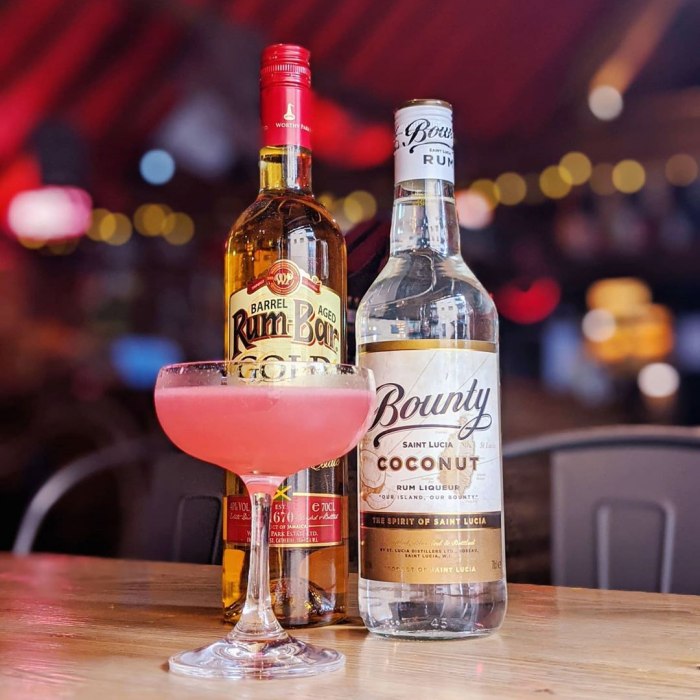
The Bounty Hunter is a tropical cocktail that captures the essence of adventure with its vibrant blend of rum, coconut cream, and pineapple juice, complemented by a hint of lime. Served over crushed ice and garnished with a slice of fresh pineapple or a cherry, this refreshing drink transports you to a sun-soaked beach, making it the perfect escape for any occasion.
Frozen Daiquiri
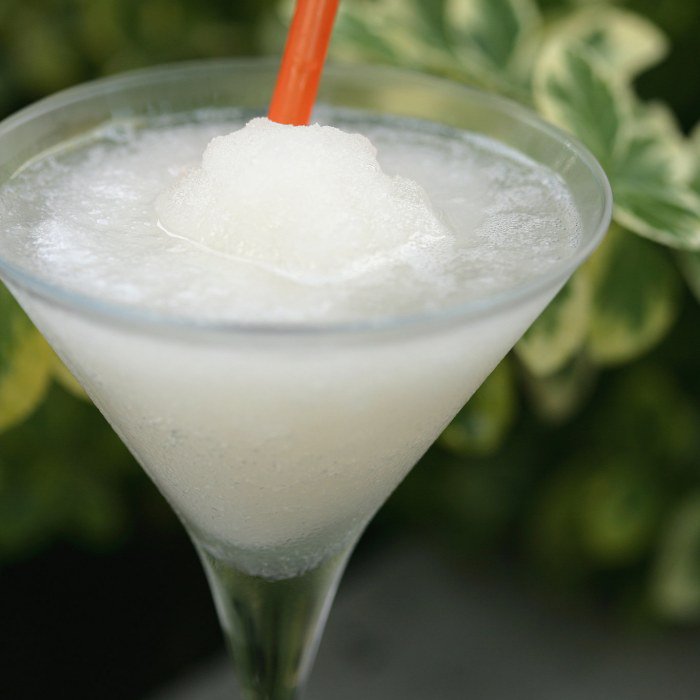
The Frozen Daiquiri is a refreshing and vibrant cocktail that blends rum, fresh lime juice, and simple syrup with crushed ice, creating a slushy texture perfect for warm weather. Often garnished with a lime wheel or cherry, this tropical drink offers a delightful balance of sweetness and tartness, making it a popular choice for beachside sipping or summer gatherings. Enjoy its icy allure as you unwind and savor the flavors of the tropics!
Casa Blanca
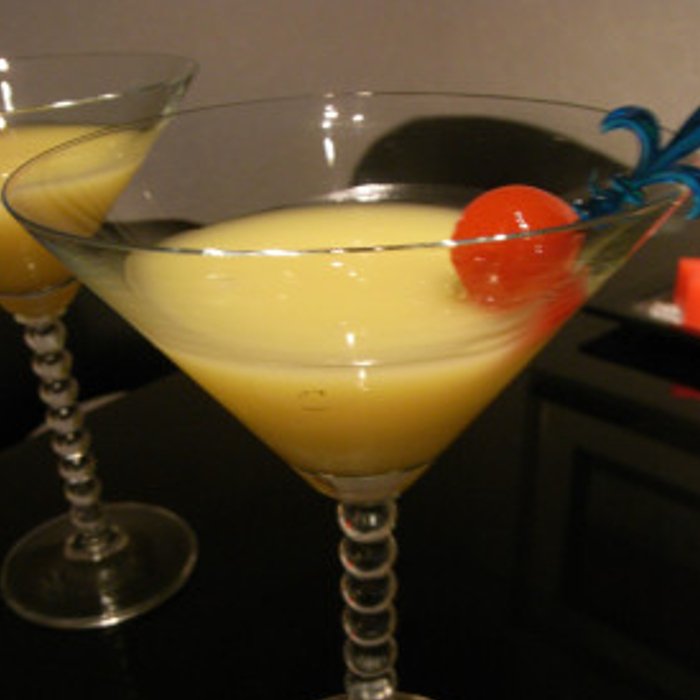
The Casa Blanca is a refreshing cocktail that combines the smoothness of white rum with the zesty brightness of fresh lime juice and the subtle sweetness of orange liqueur. Often garnished with a twist of citrus, this drink offers a delightful balance of flavors, making it a perfect choice for warm evenings or beachside lounging. Its elegant presentation and vibrant taste evoke the charm of its namesake, transporting you to a sun-soaked paradise with every sip.
Bacardi Cocktail
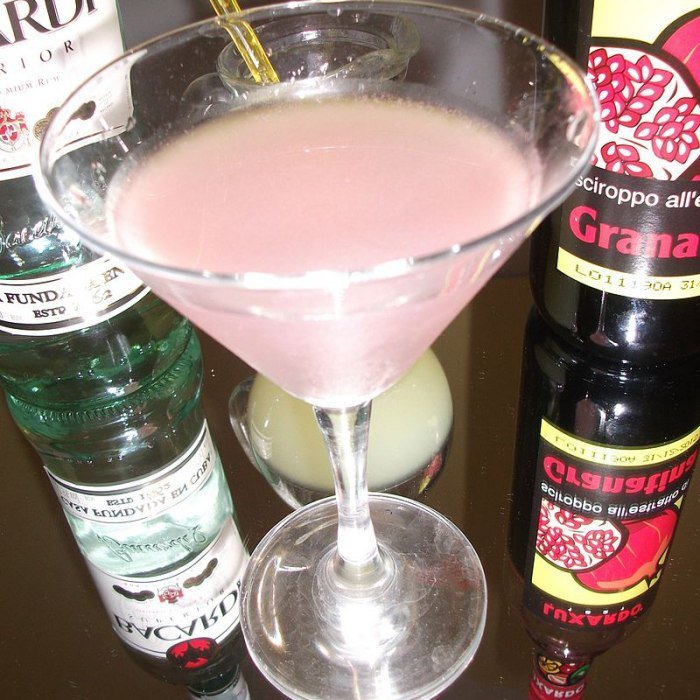
The Bacardi Cocktail is a refreshing and vibrant mix that showcases the smoothness of Bacardi rum, complemented by fresh lime juice and a touch of grenadine for a hint of sweetness. Served chilled in a classic cocktail glass, this drink is perfect for those seeking a tropical escape with a balanced flavor profile. Its bright red hue and zesty notes make it a delightful choice for any occasion.
Other beach outings Cocktails
Vodka Tonic
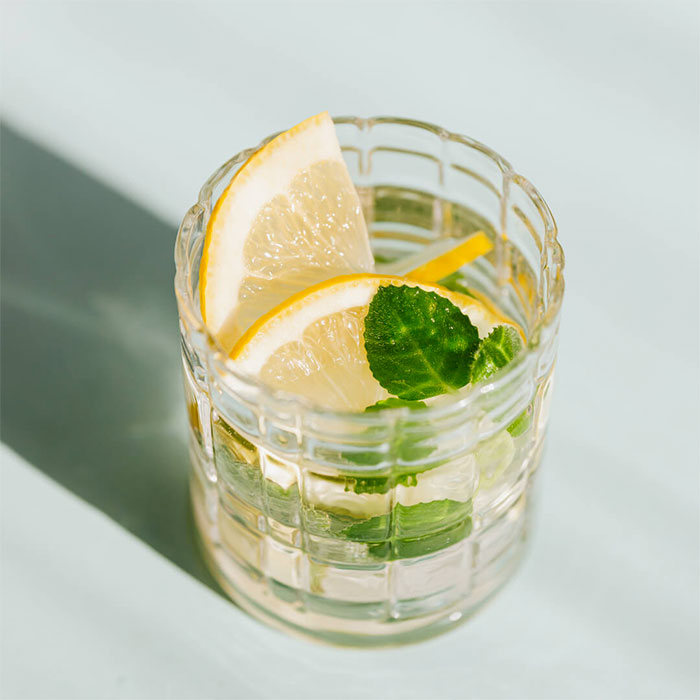
The Vodka Tonic is a refreshing and simple cocktail that combines smooth vodka with crisp tonic water, creating a perfect balance of flavors. Often garnished with a wedge of lime or lemon, this drink is a popular choice for those seeking a light and invigorating beverage. Its clean taste and versatility make it a staple at bars and gatherings alike.
Moranguito
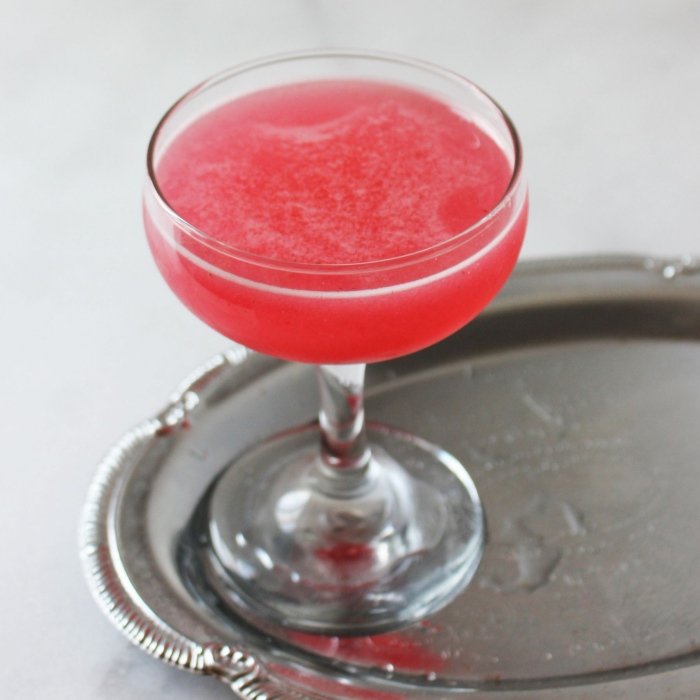
The Moranguito is a refreshing cocktail that combines the vibrant flavors of fresh strawberries and zesty lime with a splash of rum or vodka, creating a delightful balance of sweetness and tartness. Served over ice and often garnished with mint leaves, this drink is perfect for warm days and lively gatherings, inviting you to savor every sip. Its bright red hue and fruity aroma make it as visually appealing as it is delicious.
Frozen Daiquiri
The Frozen Daiquiri is a refreshing and vibrant cocktail that blends rum, fresh lime juice, and simple syrup with crushed ice, creating a slushy texture perfect for warm weather. Often garnished with a lime wheel or cherry, this tropical drink offers a delightful balance of sweetness and tartness, making it a popular choice for beachside sipping or summer gatherings. Enjoy its icy allure as you unwind and savor the flavors of the tropics!
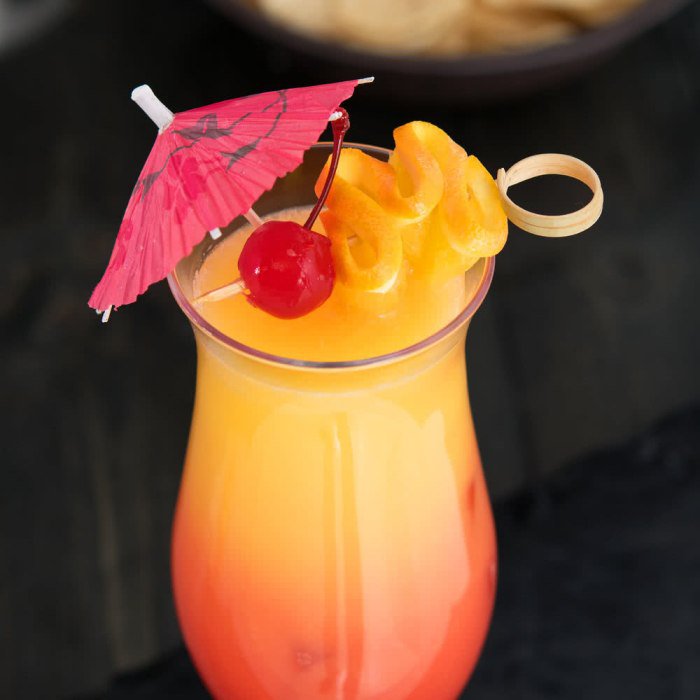
Orange Push-up
The Orange Push-up is a refreshing and nostalgic cocktail that captures the essence of a classic frozen treat. This vibrant drink blends citrusy orange flavors with a creamy texture, reminiscent of the beloved ice cream popsicle. Perfect for warm days, it offers a delightful balance of sweetness and tang, making it a fun and flavorful choice for any gathering.
Similar Flavor Profiles
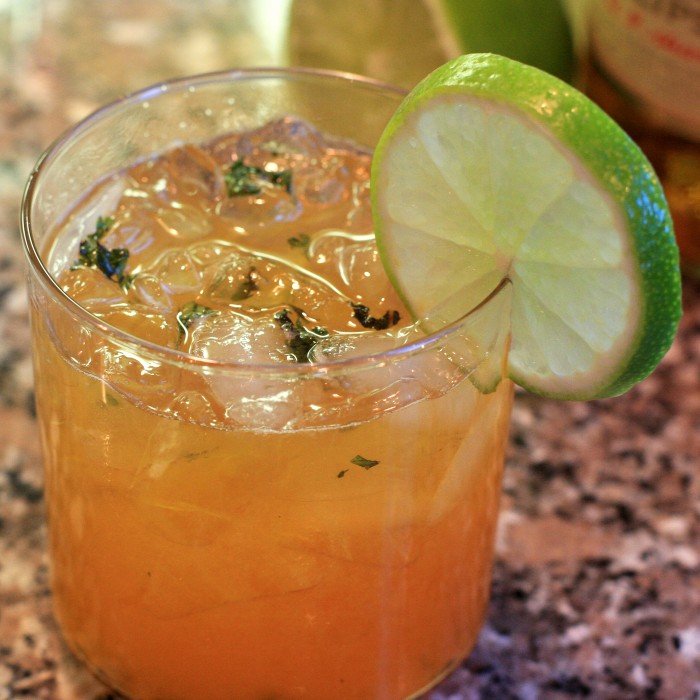
Mojito Extra
The Mojito Extra is a refreshing twist on the classic Cuban cocktail, featuring a vibrant blend of fresh mint, zesty lime, and crisp white rum. Enhanced with a splash of soda water and a hint of sweetness, this invigorating drink is perfect for warm days, offering a delightful balance of flavors that tantalize the palate. Garnished with a sprig of mint and a lime wedge, the Mojito Extra is not just a drink; it's a refreshing escape.
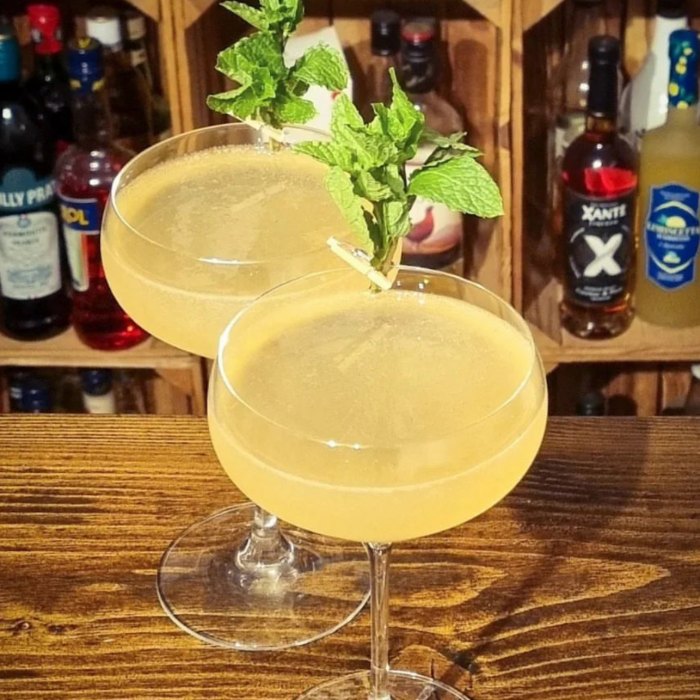
Old Cuban
The Old Cuban is a sophisticated cocktail that elegantly blends aged rum, fresh mint, lime juice, and simple syrup, topped with sparkling wine for a refreshing effervescence. This delightful drink is garnished with a sprig of mint, offering a perfect balance of sweetness and acidity, making it an ideal choice for any celebration or a stylish evening. Its rich flavors and bubbly finish create a luxurious experience that pays homage to classic cocktail traditions.
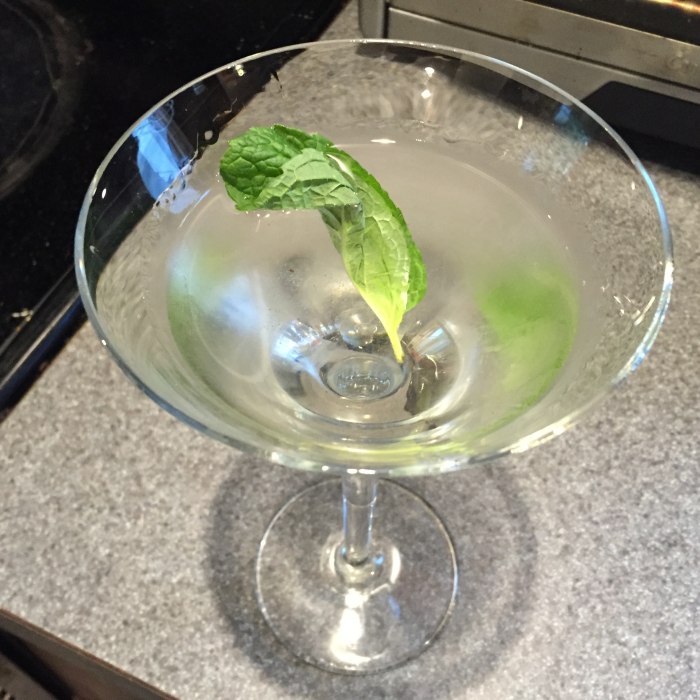
Derby
The Derby is a refreshing classic cocktail that combines bourbon, sweet vermouth, and fresh mint, creating a vibrant and aromatic drink. Often garnished with a sprig of mint and a twist of citrus, it beautifully balances the warmth of the bourbon with herbal and fruity notes, making it a perfect choice for spring and summer gatherings. This cocktail pays homage to the Kentucky Derby, celebrating the spirit of the event with every sip.
Ipamena
The Ipanema is a refreshing cocktail that captures the vibrant spirit of Brazil, combining muddled lime and sugar with a base of cachaça, a traditional Brazilian spirit made from sugarcane. Served over ice, it is often garnished with fresh mint or fruit, making it a perfect drink for warm weather or festive occasions. Its sweet and tangy flavors evoke the lively atmosphere of Rio's famous beaches.
Advertisement