Spirit Guide
Gin Cocktails: Essential Recipes & Spirit Guide

About Gin
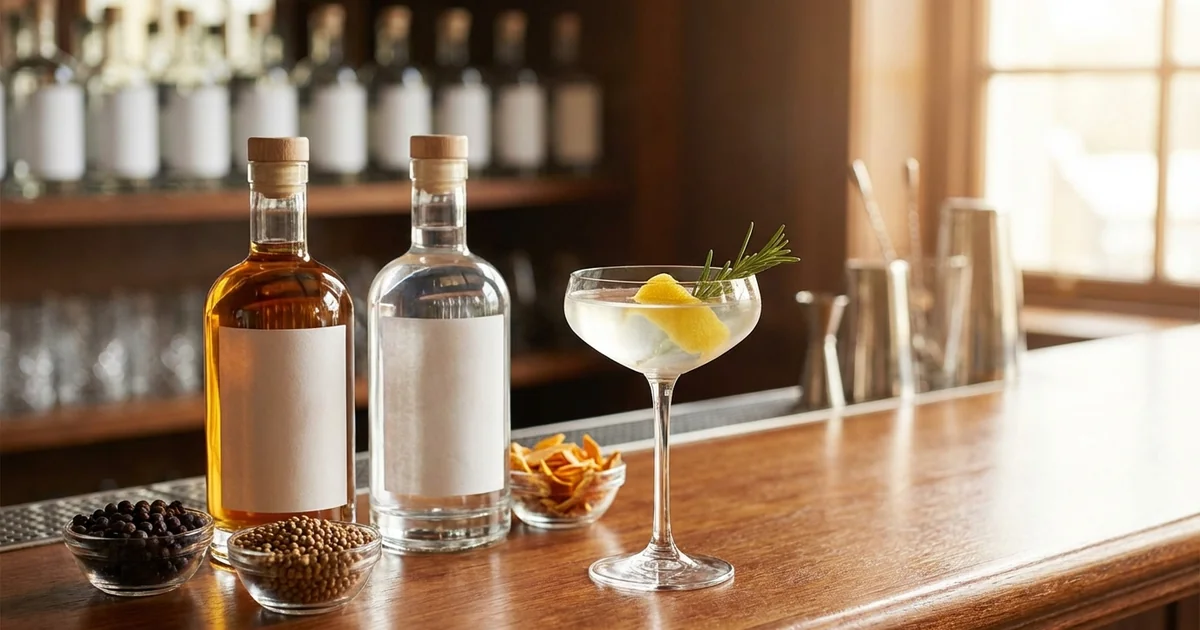
Gin stands as cocktail culture's most versatile spirit — a botanical-infused canvas that transforms simple ingredients into extraordinary drinks. From the elegant simplicity of a perfectly chilled Martini to the complex interplay of a Negroni, gin cocktails have shaped drinking culture for centuries. Understanding gin's primary styles and how their botanicals interact with other ingredients is what separates a competent gin drink from an unforgettable one. Whether you're drawn to London Dry's juniper-forward punch, Plymouth's earthy softness, or the innovative floral profiles of New Western gins, each style opens a different door to mixological creativity. The cocktails in this collection span the full range of what gin can do — from crisp aperitifs to spirit-forward stirred drinks that reward slow sipping.
Flavor Notes
What Gin tastes like
- Juniper — the defining botanical: piney, resinous, and slightly citrus, providing the structural backbone
- Citrus peel (lemon, orange, grapefruit) — aromatic brightness that amplifies fresh juice in sours and fizzes
- Coriander seed — warm, spicy-citrus note that adds complexity alongside juniper
- Angelica root — earthy, slightly woody bitterness that grounds brighter botanicals
- Floral botanicals (lavender, rose, elderflower) — delicate perfume that pairs with honey, fruit liqueurs, and Champagne
Buying Guide
What to look for
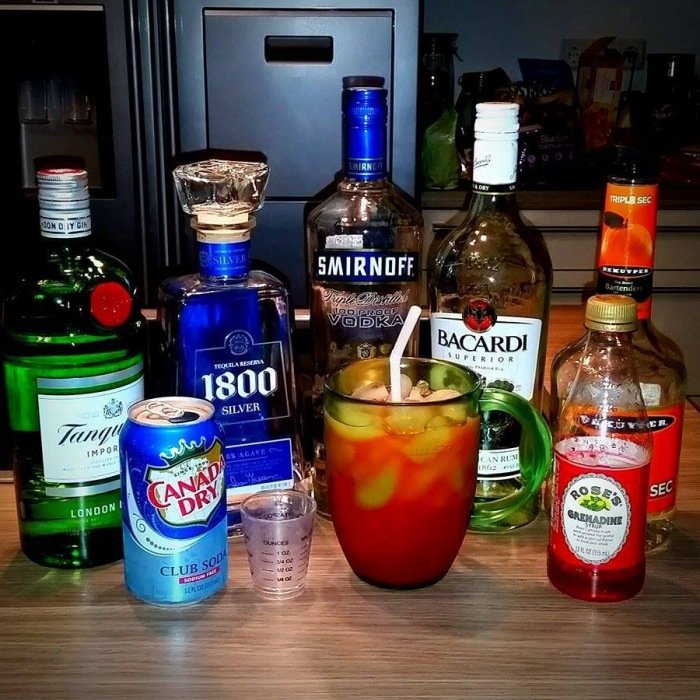
- London Dry (e.g. Tanqueray, Beefeater, Sipsmith) — the juniper-forward workhorse for Martinis, Negronis, and classic sours
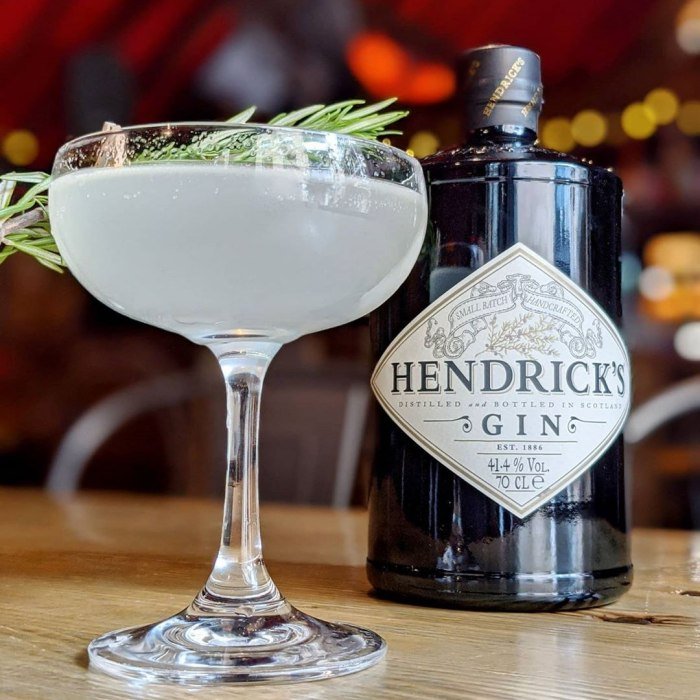
- New Western / Contemporary (e.g. Hendrick's, The Botanist, Monkey 47) — distinctive botanicals for G&Ts and floral cocktails
- Plymouth Gin — a softer, earthier style ideal in stirred cocktails calling for a smoother gin presence
- Old Tom Gin (e.g. Hayman's Old Tom, Ransom) — subtle sweetness that brings authenticity to pre-Prohibition recipes like the Martinez
- Navy Strength (57% ABV+) — for cocktails needing extra punch, especially those with significant dilution
History
The Story of Gin
Gin's story begins not in a cocktail bar but in 17th-century Dutch medicine. Jenever, the grain-based spirit infused with juniper berries, was used as a diuretic treatment and distributed to Dutch soldiers — who brought it back to England as "Dutch courage." By the early 18th century, cheap grain surpluses and lax licensing laws triggered the notorious Gin Craze, flooding London with rough, sometimes dangerous spirits. William Hogarth's 1751 engraving "Gin Lane" immortalised the social chaos, prompting Parliament to regulate production and begin the long process of elevating gin from vice to craft.
The 19th century transformed gin into what we recognise today. Aeneas Coffey's column still (1831) enabled continuous distillation of a cleaner, lighter spirit, and the London Dry style emerged — defined by its juniper-forward profile and complete absence of post-distillation sweetening. The British gin-and-tonic, born from the practical need to mask the bitterness of anti-malarial quinine, became one of the most globally recognised long drinks, carrying gin's reputation around the empire.
The craft gin renaissance of the 2000s redrew the map entirely. Distilleries began experimenting with regional botanicals, local terroir, and non-traditional flavour profiles. Hendrick's launched in 1999 with its cucumber-and-rose signature; The Botanist (2011) showcased 22 hand-foraged Islay botanicals; Monkey 47 brought 47 botanicals to the Black Forest. Today, with thousands of distilleries worldwide, gin is arguably the most innovative category in spirits — and the botanical complexity at its core makes it uniquely suited to the cocktail glass.
Key Takeaways
What you’ll learn
- Gin's botanical complexity makes it the most versatile cocktail spirit, capable of creating drinks ranging from crisp and refreshing to bold and herbaceous
- Understanding the four main gin styles (London Dry, Plymouth, Old Tom, New Western) helps you select the perfect base for any cocktail profile
- Classic gin cocktails like the Martini and Negroni showcase the spirit's ability to shine in both spirit-forward and balanced compositions
- Shake citrus-based gin cocktails and stir spirit-forward ones — this single rule covers the vast majority of gin drink technique
- Building a home gin collection starts with a quality London Dry, then expands to include botanical-diverse options for different cocktail applications