Ordinary Drink
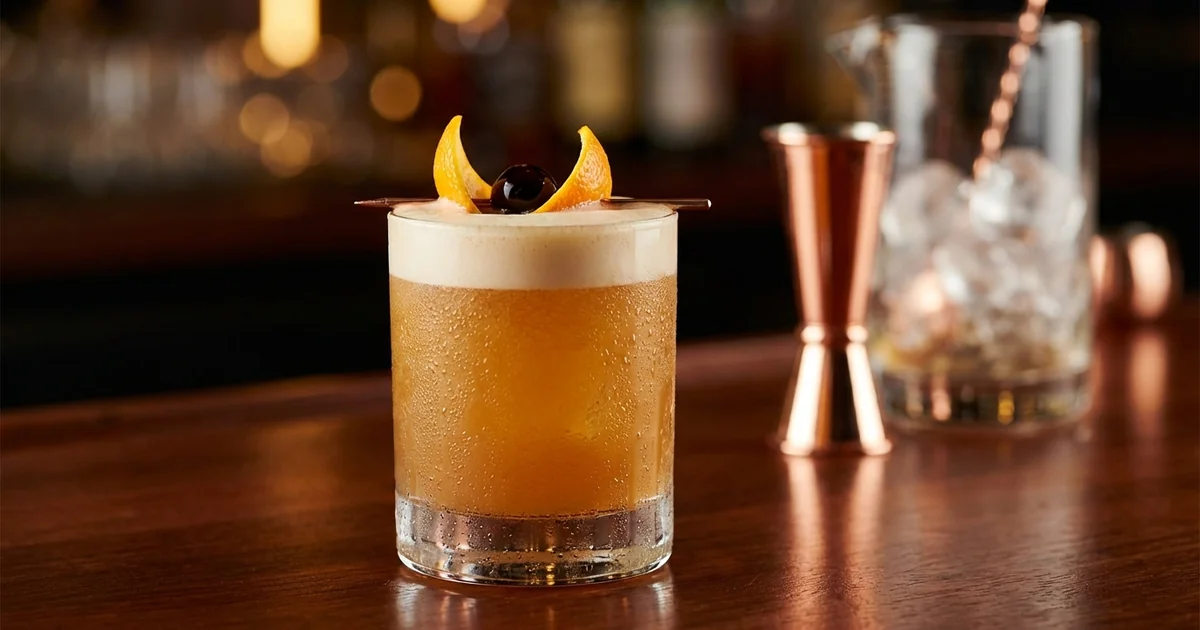
Whiskey Sour
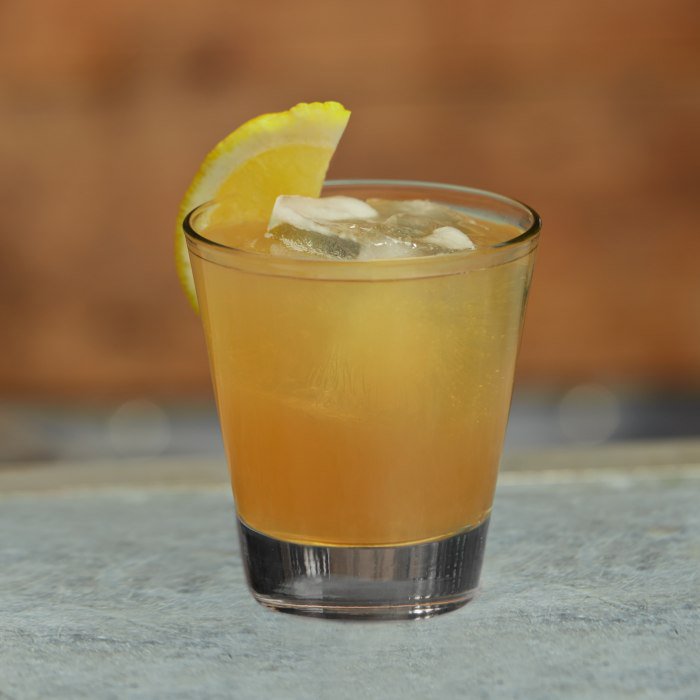
Der Whiskey Sour ist ein klassischer Cocktail, der aus Whiskey, frischem Zitronensaft und Zucker besteht. Er zeichnet sich durch seine ausgewogene Mischung aus süßen und sauren Aromen aus und wird oft mit einem Spritzer Eiweiß zubereitet, um eine cremige Textur zu erzielen. Serviert auf Eis, ist er ein erfrischender Genuss für Whiskey-Liebhaber.
- süß
- sauer
- fruchtig
- würzig

- Prep Time
- 5 min
- Glass
- Old-fashioned glass
- Difficulty
- Easy
- ABV
- 15%
- Yields
- 1 serving
Der Whiskey Sour ist ein ordinary drink auf Basis von Whiskey, bekannt für sein süß and sauer Profil — eines der meistgesuchten Rezepte für "Cocktailparty". In nur 5 Minuten zubereitet und ideal für Sommerfeste — perfekt für die Heimbar. Wer nach "Feierabend" sucht, ist hier genau richtig.
Key Takeaways
What you’ll learn
- The Whiskey Sour is a pre-Prohibition classic dating to the 1860s that balances bourbon, fresh lemon juice, and simple syrup.
- Adding egg white and performing a dry shake creates a silky foam topping that elevates both texture and presentation.
- Popular variations include the New York Sour with a red wine float and the Gold Rush with honey syrup.
- Choose bourbon for sweeter, vanilla-forward notes or rye whiskey for a spicier, drier profile — both are legitimate.
- Fresh lemon juice is non-negotiable; bottled juice has a flat, cooked flavor that undermines the drink's brightness.
Advertisement
Ingredients
- Serves
- 1 serving
- Glass
- Old-fashioned glass
- Prep
- 5 min
- 2 ozBlended whiskey
- Juice of 1/2Lemon
- 1/2 tspPowdered sugar
- 1Cherry
- 1/2 sliceLemon
Method
Preparation
- 01
Here is the translation of the instructions into German:
- 02
"Mit Eis schütteln. In ein gekühltes Glas abseihen, garnieren und servieren. Wenn 'On the rocks' serviert wird, die Zutaten in ein Old-Fashioned-Glas mit Eis abseihen."
Origin
History & Origins
The Whiskey Sour stands as one of the most iconic cocktails in American drinking history. Dating back to the 1860s, this pre-Prohibition classic has survived countless cocktail trends and remained a bar staple for over 160 years. Its enduring appeal lies in its perfect balance of citrus-forward brightness, whiskey warmth, and just enough sweetness to tie it all together. The basic template — spirit, citrus, sweetener — is the foundation upon which much of the classic cocktail canon is built.
The earliest documented reference to the Whiskey Sour appears in Jerry Thomas's 1862 bartender's guide "The Bar-Tender's Guide," which codified many of the era's cocktail recipes and established the sour as one of the great cocktail families alongside punches, cobblers, and fizzes. The formula was simple and democratic: it made rough frontier whiskey more palatable while providing a satisfying balance that appealed to sophisticated drinkers as well.
The egg white variation emerged as bartenders in the late 19th and early 20th centuries began exploring texture as a dimension of cocktail craft. The addition of raw egg white, when shaken vigorously in a dry shake before ice is added, denatures the proteins and creates the micro-bubble foam that gives the egg white Whiskey Sour its luxurious, silky character. This technique — borrowed from the older "fizz" family of drinks — transformed the Whiskey Sour from a simple refresher into something more complex and sensory.
The addition of raw egg white, when shaken vigorously in a dry shake before ice is added, denatures the proteins and creates the micro-bubble foam that gives the egg white Whiskey Sour its luxurious, silky character.
Prohibition interrupted the cocktail's evolution, as the availability of quality American whiskey plummeted. In the decades after Repeal, the Whiskey Sour often appeared in a bastardized form using sweet-and-sour mix from a bottle — a shortcut that stripped the drink of its fresh character. The craft cocktail movement of the 2000s restored the original's integrity, insisting on fresh citrus and quality spirits, and the egg white variation has enjoyed particular popularity as bartenders rediscovered the pleasures of the dry shake.
Advertisement
Bartender’s Insight
Pro Tips
Verwenden Sie immer frischen Zitronensaft
From James
einfacher Sirup sollte im Verhältnis 1:1 sein
Eiweiß für seidenartige Textur hinzufügen (optional, aber empfohlen)
kräftig schütteln zum ordnungsgemäßen Kühlen
At the Table
Perfect Pairings
Beyond the Classic
Variations
Boston Sour
Fügt Eiweiß für cremigen Schaum und seidenartige Textur hinzu
New York Sour
Mit Granatapfelsaft-Float für visuelles Drama belegt
Whiskey Smash
Fügt zerquetschte frische Minze für krautige Noten hinzu
Watch
See it in action
Questions
Frequently Asked
- The Whiskey Sour has a flavor profile that is süß, sauer, fruchtig, würzig. It is crafted to balance these characteristics into a harmonious, satisfying drink that appeals to a wide range of palates.
- The Whiskey Sour is ideal for Sommerfeste, Hochzeiten, Geburtstagsfeiern. Its flavor profile and presentation make it a versatile choice that works equally well as a social cocktail or a relaxed evening drink.
- Yes, there are several ways to adapt a Whiskey Sour. If you cannot source Blended whiskey, look for a similar alternative that matches its flavor profile. Keep in mind that substitutions may alter the balance of the cocktail, so start with a smaller quantity and adjust to taste. The variations section above lists popular alternatives bartenders use.
- Some of the most popular Whiskey Sour variations include Boston Sour, New York Sour, Whiskey Smash. Each variation puts a unique twist on the original recipe while retaining the essential character of the classic cocktail.
- The Whiskey Sour is traditionally served in a Old-fashioned glass. Using the right glassware is important because it affects the aroma, temperature retention, and overall drinking experience. If you do not have a Old-fashioned glass on hand, a similar shaped glass will work.
- Yes, a mocktail version of the Whiskey Sour is possible. Replace the base spirit with a non-alcoholic spirit alternative (there are many quality options available) and keep all other components the same. The result will capture much of the original's flavor profile while being suitable for guests who prefer alcohol-free options.
Other Whiskey Cocktails
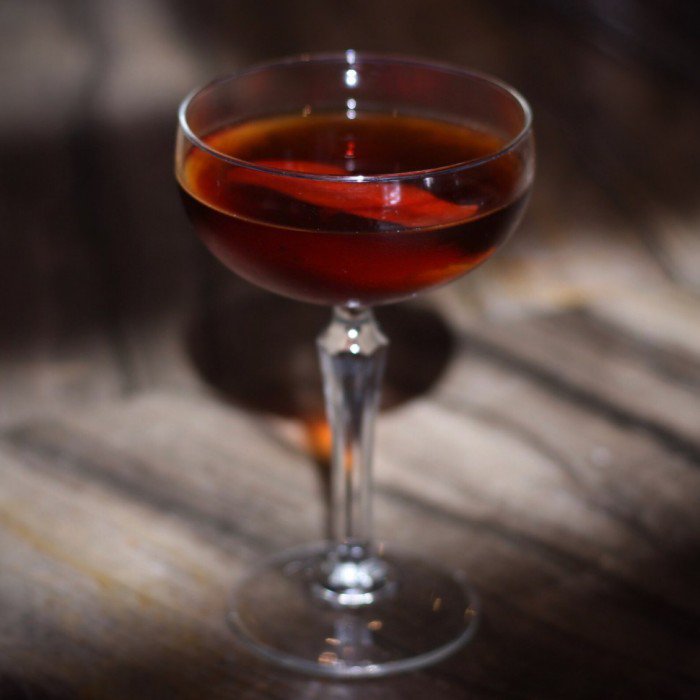
The Jimmy Conway
Der Cocktail "The Jimmy Conway" ist eine raffinierte Mischung aus Whiskey, süßem Wermut und einem Hauch von Bitterstoffen, die ihm eine komplexe, aber harmonische Geschmacksnote verleihen. Serviert in einem eleganten Glas, ist dieser Drink perfekt für einen stilvollen Abend oder als Highlight auf jeder Cocktailparty. Sein Name erinnert an den legendären Charakter aus dem Film "Goodfellas", was ihm einen Hauch von Nostalgie und Glamour verleiht
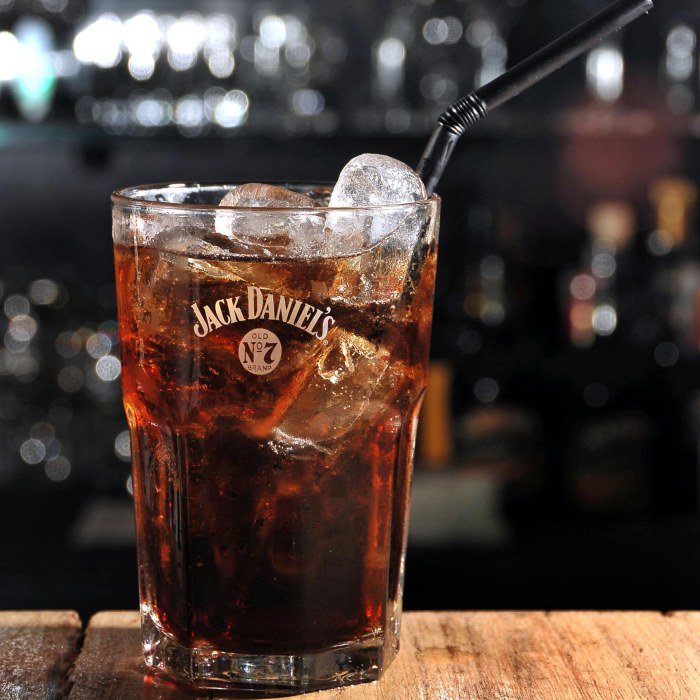
Jack's Vanilla Coke
Jack's Vanilla Coke ist ein erfrischender Cocktail, der die süßen Aromen von Vanille mit der spritzigen Note von Cola vereint. Perfekt für einen entspannten Abend, bietet dieser Drink eine harmonische Balance zwischen Tradition und modernem Genuss. Mit einem Hauch von Whiskey wird er zum idealen Begleiter für gesellige Runden.
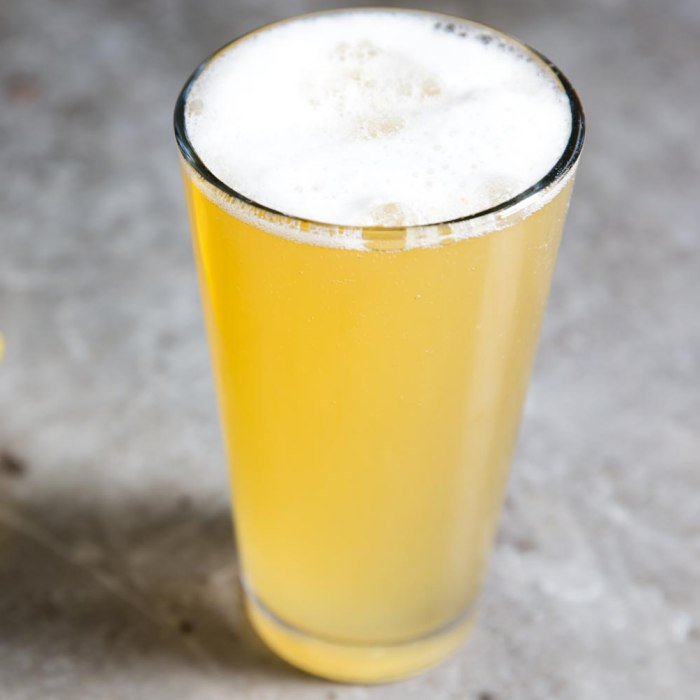
Owen's Grandmother's Revenge
"Owen's Grandmother's Revenge" ist ein erfrischender Cocktail, der süße und herbe Aromen harmonisch vereint. Mit einer Basis aus fruchtigem Gin, spritzigem Limettensaft und einem Hauch von Kräuterlikör sorgt er für ein unvergessliches Geschmackserlebnis, das an die Geheimnisse der Großmutter erinnert. Ideal für gesellige Abende oder besondere Anlässe!
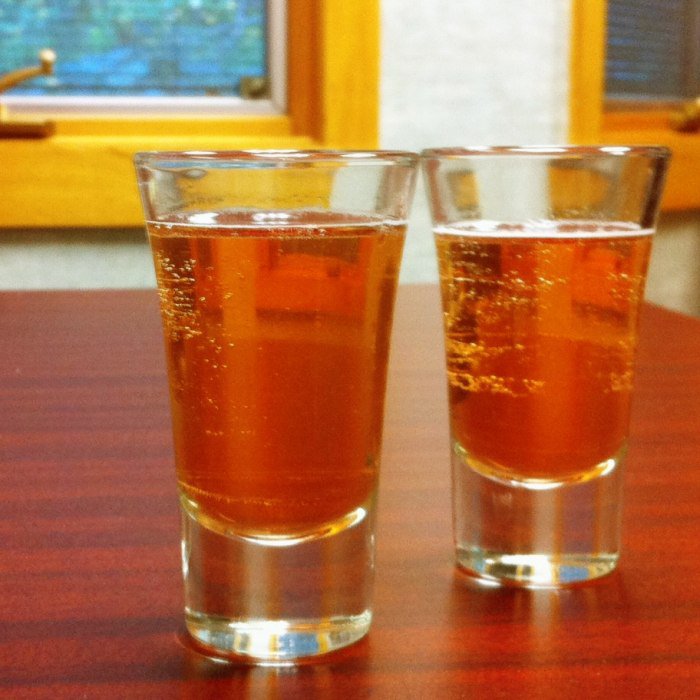
Damned if you do
Der "Damned if you do" ist ein verführerischer Cocktail, der mit einer harmonischen Mischung aus kräftigem Whiskey und fruchtigen Aromen begeistert. Abgerundet mit einem Hauch von Zitrus und einem spritzigen Finish, bietet er ein unvergessliches Geschmackserlebnis, das sowohl Liebhaber klassischer Cocktails als auch neugierige Genießer anspricht. Perfekt für einen geselligen Abend oder einen besonderen Anlass!
Other Sommerfeste Cocktails
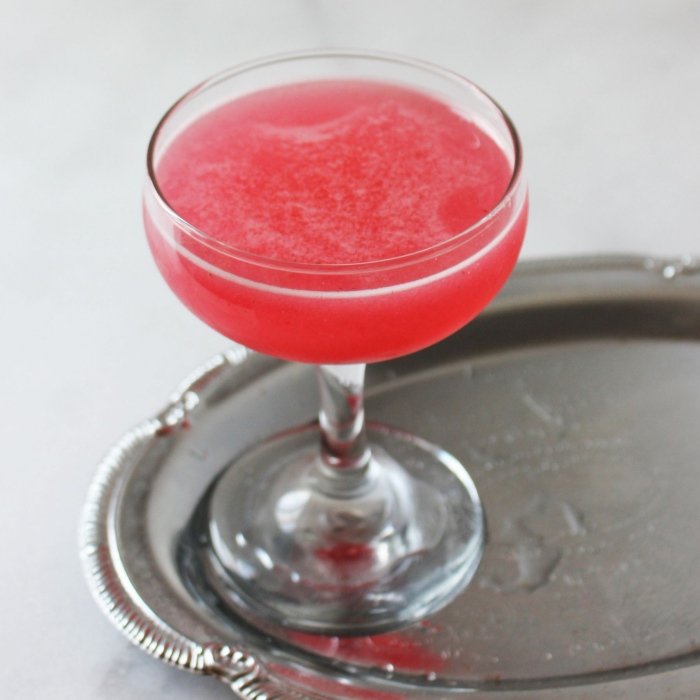
Moranguito
Der Moranguito ist ein erfrischender Cocktail, der mit frischen Erdbeeren, Limettensaft und einem Hauch von Minze zubereitet wird. Diese fruchtige Mischung wird oft mit einem Spritzer Soda oder Prosecco verfeinert, um ein spritziges Erlebnis zu bieten. Ideal für warme Sommertage oder festliche Anlässe!
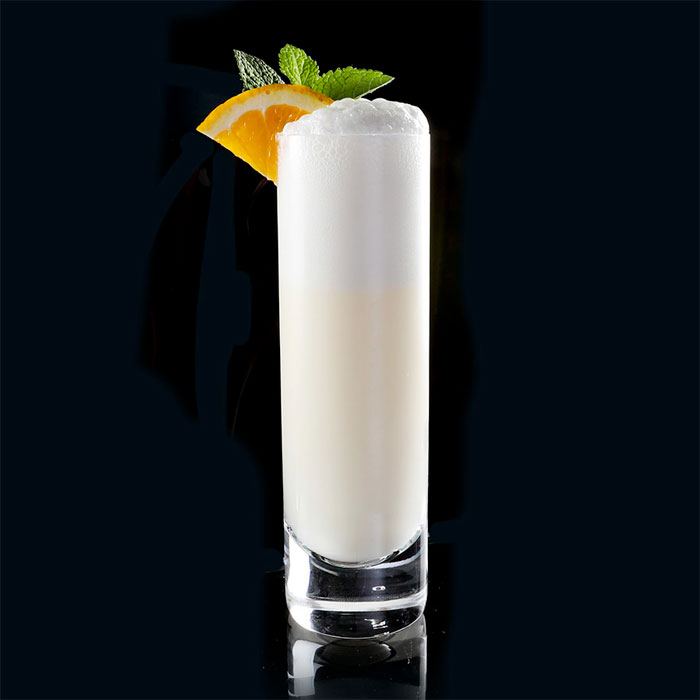
Ramos Gin Fizz
Der Ramos Gin Fizz ist ein erfrischender Cocktail, der in New Orleans entstanden ist und für seine cremige Textur und spritzige Note bekannt ist. Er vereint Gin, Zitronen- und Limettensaft, Zucker, Sahne, Eiweiß, Orangenblütenwasser und Soda, was ihm einen einzigartigen, schaumigen Charakter verleiht. Ideal für besondere Anlässe, ist dieser Drink ein wahrer Genuss für Gin-Liebhaber.
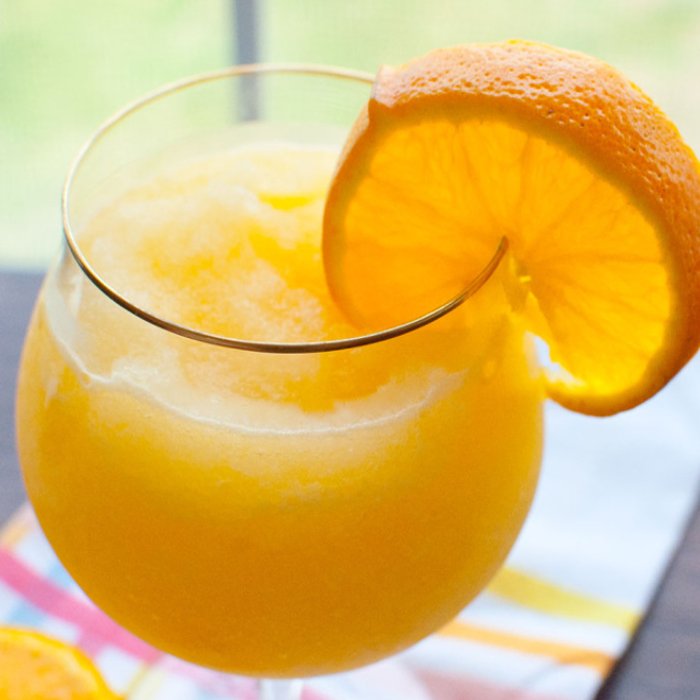
Orangeade
Orangeade ist ein erfrischender Cocktail, der aus frisch gepresstem Orangensaft, sprudelndem Mineralwasser und einem Hauch von Zuckersirup besteht. Diese spritzige Mischung wird oft mit Eis serviert und eignet sich perfekt für sonnige Tage oder gesellige Abende. Ein Spritzer Limette oder ein Minzblatt rundet das Geschmackserlebnis ab.
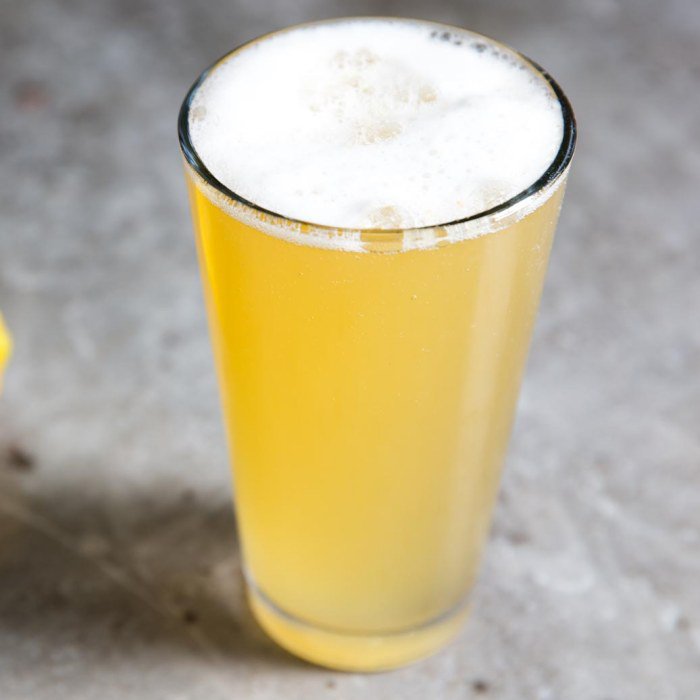
Radler
Der Radler ist ein erfrischendes Getränk, das aus einer Mischung von Bier und Limonade besteht, oft mit Zitrone. Ursprünglich in Deutschland entstanden, ist er besonders beliebt an warmen Tagen, da er leicht und spritzig ist. Perfekt für alle, die den Geschmack von Bier mit einer fruchtigen Note genießen möchten.
Similar Flavor Profiles
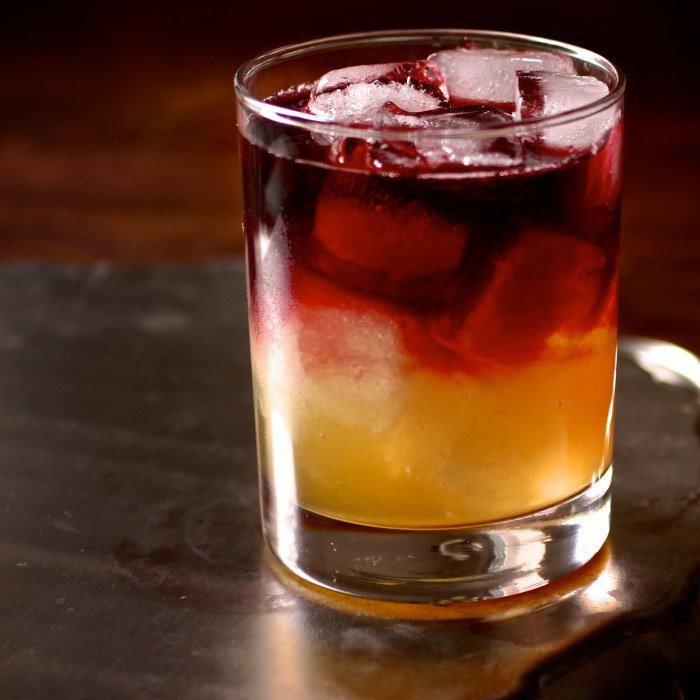
New York Sour
Der New York Sour ist ein klassischer Cocktail, der eine erfrischende Mischung aus Bourbon, Zitronensaft, Zucker und Rotwein bietet. Dieser Drink vereint die fruchtige Süße des Weins mit der herben Note des Bourbons und sorgt für ein einzigartiges Geschmackserlebnis. Serviert auf Eis, ist er nicht nur köstlich, sondern auch optisch ansprechend durch die schichtweise Anordnung der Zutaten.
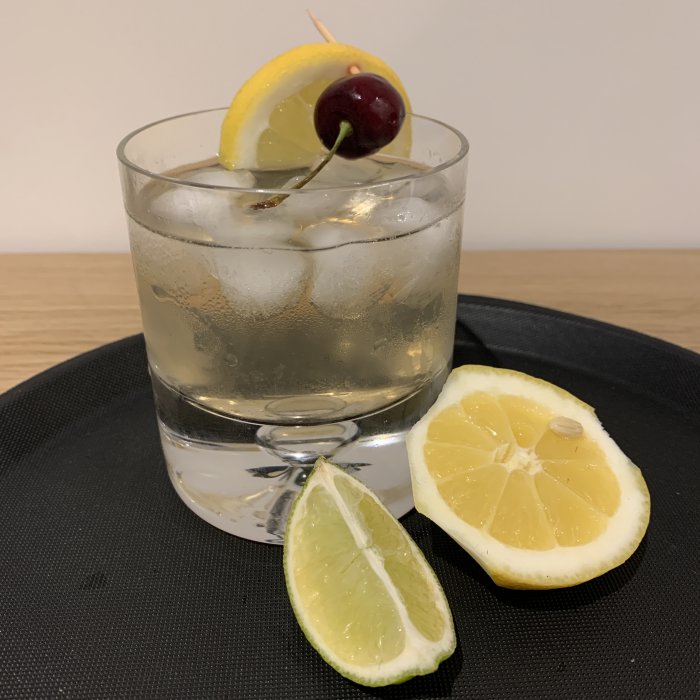
Brandy Sour
Der Brandy Sour ist ein erfrischender Cocktail, der die sanften Aromen von Brandy mit der spritzigen Säure von Zitronensaft kombiniert. Oft verfeinert mit einem Hauch von Zuckersirup und einem Spritzer Bitter, bietet er eine ausgewogene Mischung aus Süße und Säure, die perfekt für jeden Anlass ist. Genießen Sie diesen Klassiker als perfekten Abschluss eines langen Tages.
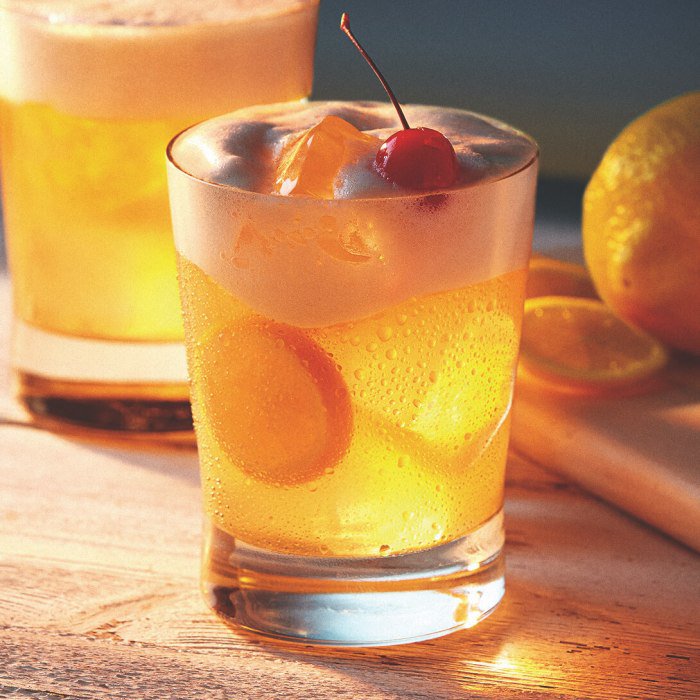
Bourbon Sour
Der Bourbon Sour ist ein klassischer Cocktail, der die warmen, reichen Aromen von Bourbon mit der erfrischenden Säure von frischem Zitronensaft kombiniert. Oft verfeinert mit einem Hauch von Zuckersirup und einem Spritzer Angostura-Bitter, bietet er eine perfekte Balance zwischen Süße und Säure. Serviert auf Eis und garniert mit einer Zitronenscheibe oder einer Kirsche, ist er ein Genuss für Bourbon
Tequila Sour
Der Tequila Sour ist ein erfrischender Cocktail, der die herben Noten von Tequila mit der spritzigen Säure von frischem Zitronensaft kombiniert. Oft verfeinert mit einem Hauch von Zuckersirup und einem Eiweiß für eine samtige Textur, bietet er ein ausgewogenes Geschmackserlebnis, das sowohl süß als auch sauer ist. Ideal für Tequila-Liebhaber, die eine neue, aufregende Variante genießen möchten
Advertisement