Ordinary Drink
Cuba Libre
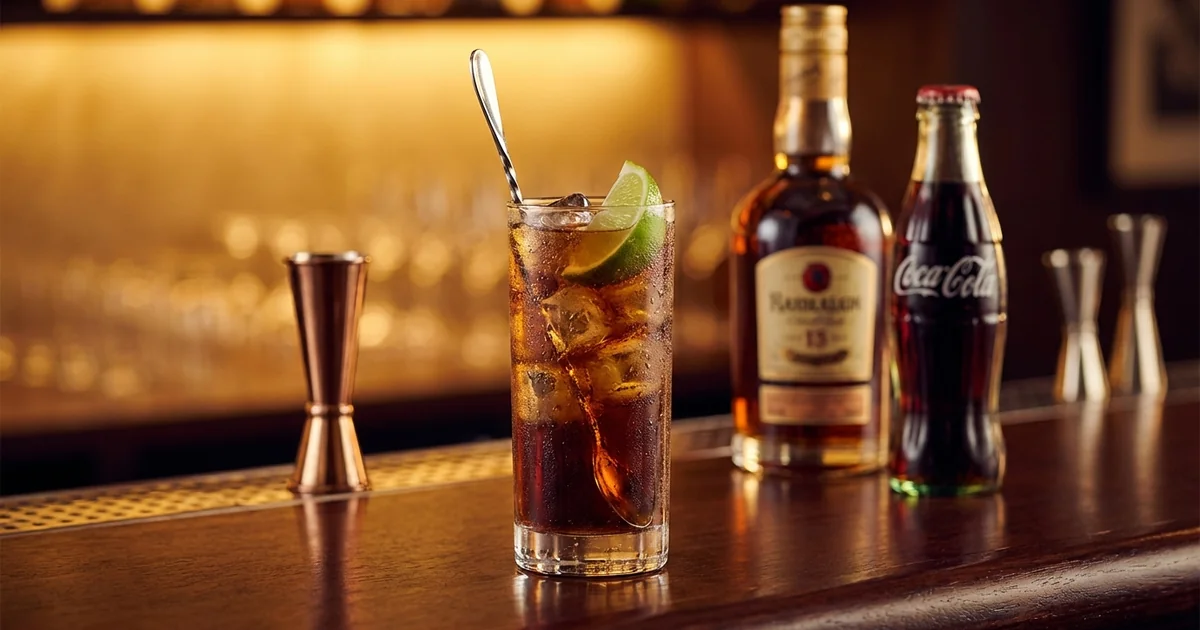
The Cuba Libre is a classic cocktail that combines the refreshing flavors of rum, cola, and freshly squeezed lime juice. This simple yet invigorating drink is often enjoyed over ice and garnished with a lime wedge, making it a popular choice for warm evenings and social gatherings. Its origins trace back to Cuba, where it symbolizes a spirit of freedom and celebration.
- refreshing
- citrusy
- slightly sweet
- rum-forward
- Prep Time
- 2 min
- Glass
- Highball glass
- Difficulty
- Easy
- ABV
- 11%
- Yields
- 1 serving
Few ordinary drink recipes deliver refreshing and citrusy quite like the Cuba Libre. It leads with rum and comes together in about 2 minutes. If you've searched for "party", this is the recipe to bookmark.
Key Takeaways
What you’ll learn
- Fresh lime juice is the essential ingredient that distinguishes a Cuba Libre from a simple rum and Coke — the lime adds acidity, aromatic oils, and genuine cocktail balance.
- The drink originated around 1900 in Havana as American soldiers toasted Cuban independence from Spanish rule: "Por Cuba Libre!" — Free Cuba.
- Mexican Coca-Cola made with cane sugar creates a cleaner, crisper sweetness than high-fructose corn syrup versions; both work but the cane-sugar version is superior.
- White rum is traditional and allows lime and cola to shine; gold, aged, or spiced rum create valid and delicious variations with different flavor profiles.
- Always use fresh lime, plenty of ice, and pour the cola gently with a single stir — over-stirring releases carbonation and flattens the drink.
Advertisement
Ingredients
- Serves
- 1 serving
- Glass
- Highball glass
- Prep
- 2 min
- 2 ozLight rum
- Juice of 1/2Lime
- Coca-Cola
Method
Preparation
- 01
Build all ingredients in a Collins glass filled with ice. Garnish with lime wedge.
Origin
History & Origins
When most people think of mixing rum with Coca-Cola, they imagine a simple two-ingredient drink. But the Cuba Libre is far more than just rum and Coke. This classic cocktail, born from the fires of revolution and independence, transforms a basic mix into something truly special with one crucial addition: fresh lime.
The Cuba Libre was reportedly created around 1900 in Havana, Cuba, shortly after the Spanish-American War ended in 1898. American soldiers stationed in Cuba had access to Coca-Cola (invented in 1886 and already being exported) and mixed it with local Cuban rum and lime. According to popular legend, an American captain walked into a Havana bar and ordered Bacardi rum with Coca-Cola and lime. Other soldiers followed suit, and someone raised a toast: "Por Cuba Libre!" — celebrating Cuba's newfound independence from Spanish colonial rule.
American soldiers stationed in Cuba had access to Coca-Cola (invented in 1886 and already being exported) and mixed it with local Cuban rum and lime.
Whether this exact story is true or embellished, the drink's name undeniably reflects the revolutionary spirit of early 20th-century Cuba. The Cuba Libre became a symbol of Cuban-American cooperation and the promise of freedom and independence. It gained international popularity throughout the 1900s and remains one of the most ordered drinks worldwide — its simplicity, refreshing taste, and evocative name ensuring its place in cocktail history.
Advertisement
Bartender’s Insight
Pro Tips
Never skip the fresh lime — without it, you have rum and Coke. The lime's acidity and aromatic oils cut through the cola's sweetness and elevate the drink from mixer to cocktail.
From Kai
Drop the spent lime shell into the glass after squeezing. It continues to release essential oils as the drink is consumed and adds visual authenticity.
Use large ice cubes, not crushed ice. Large ice melts slowly, keeping the drink cold without over-diluting it.
Stir only once, gently. Over-stirring releases the carbonation that gives the Cuba Libre its lift and refreshing character.
If you can find Mexican Coca-Cola (cane sugar, glass bottle), use it — the cleaner sweetness makes a noticeable difference in the finished cocktail.
At the Table
Perfect Pairings
Beyond the Classic
Variations
Aged Cuba Libre
Use premium aged dark rum like Zacapa 23 or Diplomático Reserva Exclusiva for a sophisticated sipping version. The molasses, caramel, and vanilla notes of aged rum interact with cola in a far more complex way than white rum does.
Cuba Libre Diablo
Add 2–3 dashes of hot sauce to the classic recipe, or muddle fresh jalapeño with the lime before building the drink. The heat plays off the cola's sweetness and the rum's warmth for a spicy, multi-layered variation.
Cuba Libre Royale
Float 0.5 oz of dark aged rum over the back of a bar spoon on top of the finished drink for a layered effect. The concentrated rum on top delivers an intense first sip that gradually integrates as you drink.
Cherry Cuba Libre
Add a splash (0.5 oz) of cherry liqueur and garnish with fresh cherries. The cherry adds sweetness and a fruity dimension that complements the cola's spice notes. Particularly good with spiced rum.
Watch
See it in action
Questions
Frequently Asked
- The Cuba Libre has a flavor profile that is refreshing, citrusy, slightly sweet, rum-forward. It is crafted to balance these characteristics into a harmonious, satisfying drink that appeals to a wide range of palates.
- The Cuba Libre is ideal for barbecues, beach outings, casual gatherings. Its flavor profile and presentation make it a versatile choice that works equally well as a social cocktail or a relaxed evening drink.
- Yes, there are several ways to adapt a Cuba Libre. If you cannot source Light rum, look for a similar alternative that matches its flavor profile. Keep in mind that substitutions may alter the balance of the cocktail, so start with a smaller quantity and adjust to taste. The variations section above lists popular alternatives bartenders use.
- Some of the most popular Cuba Libre variations include Aged Cuba Libre, Cuba Libre Diablo, Cuba Libre Royale. Each variation puts a unique twist on the original recipe while retaining the essential character of the classic cocktail.
- The Cuba Libre is traditionally served in a Highball glass. Using the right glassware is important because it affects the aroma, temperature retention, and overall drinking experience. If you do not have a Highball glass on hand, a similar shaped glass will work.
- Yes, a mocktail version of the Cuba Libre is possible. Replace the base spirit with a non-alcoholic spirit alternative (there are many quality options available) and keep all other components the same. The result will capture much of the original's flavor profile while being suitable for guests who prefer alcohol-free options.
Other Rum Cocktails
Bounty Hunter
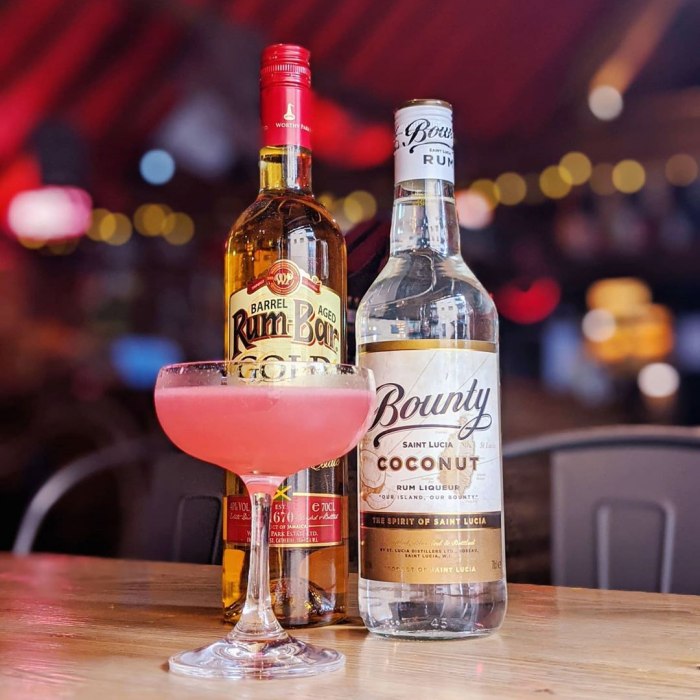
The Bounty Hunter is a tropical cocktail that captures the essence of adventure with its vibrant blend of rum, coconut cream, and pineapple juice, complemented by a hint of lime. Served over crushed ice and garnished with a slice of fresh pineapple or a cherry, this refreshing drink transports you to a sun-soaked beach, making it the perfect escape for any occasion.
Frozen Daiquiri
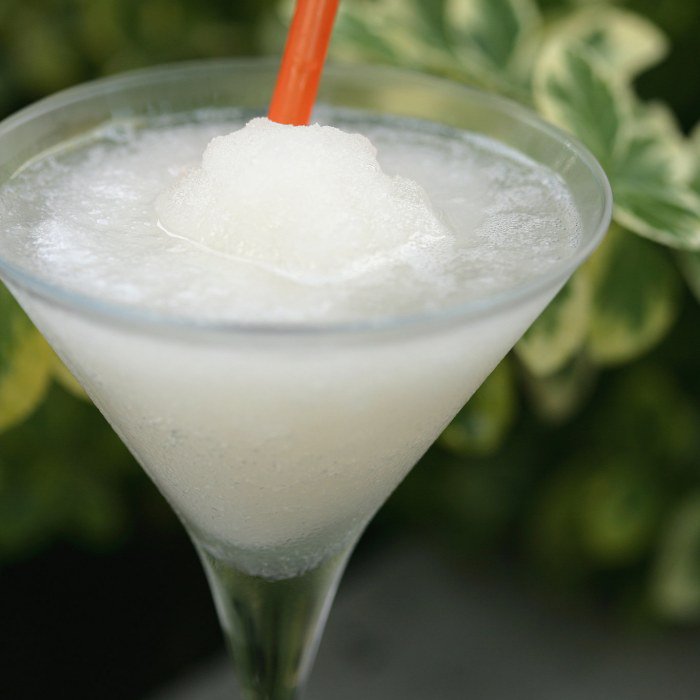
The Frozen Daiquiri is a refreshing and vibrant cocktail that blends rum, fresh lime juice, and simple syrup with crushed ice, creating a slushy texture perfect for warm weather. Often garnished with a lime wheel or cherry, this tropical drink offers a delightful balance of sweetness and tartness, making it a popular choice for beachside sipping or summer gatherings. Enjoy its icy allure as you unwind and savor the flavors of the tropics!
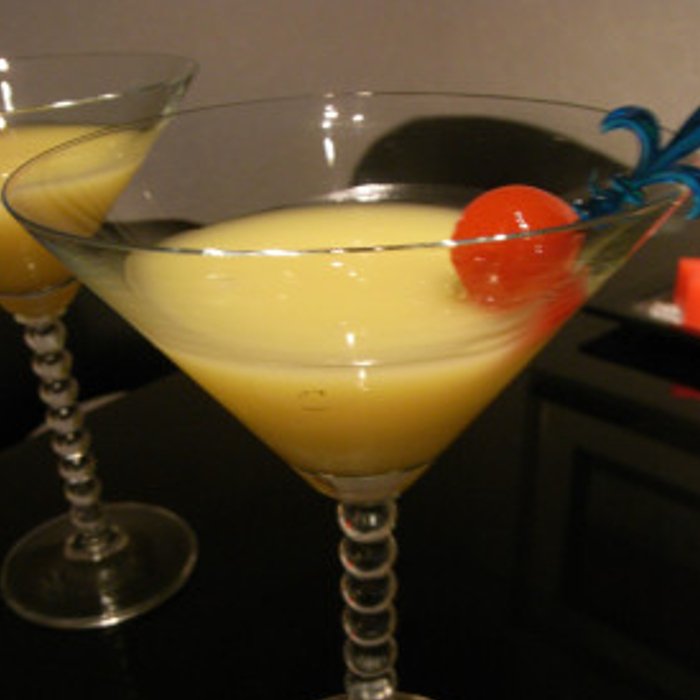
Casa Blanca
The Casa Blanca is a refreshing cocktail that combines the smoothness of white rum with the zesty brightness of fresh lime juice and the subtle sweetness of orange liqueur. Often garnished with a twist of citrus, this drink offers a delightful balance of flavors, making it a perfect choice for warm evenings or beachside lounging. Its elegant presentation and vibrant taste evoke the charm of its namesake, transporting you to a sun-soaked paradise with every sip.
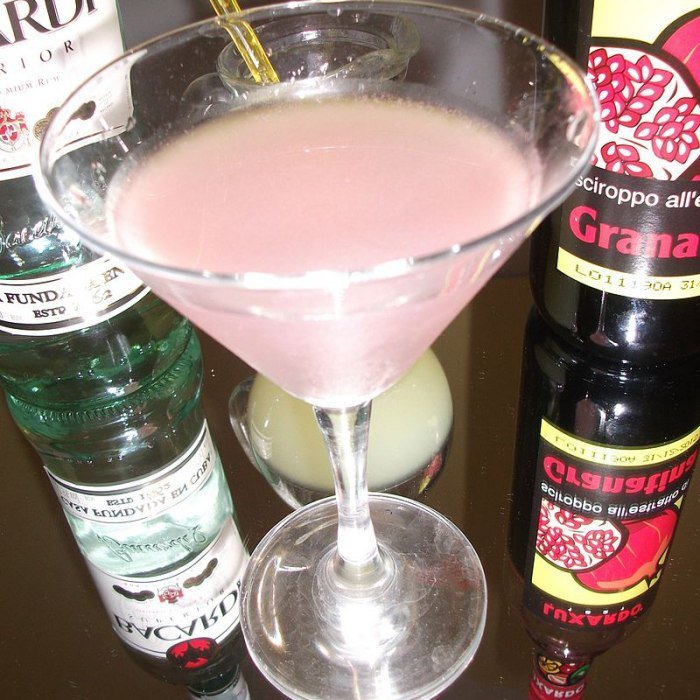
Bacardi Cocktail
The Bacardi Cocktail is a refreshing and vibrant mix that showcases the smoothness of Bacardi rum, complemented by fresh lime juice and a touch of grenadine for a hint of sweetness. Served chilled in a classic cocktail glass, this drink is perfect for those seeking a tropical escape with a balanced flavor profile. Its bright red hue and zesty notes make it a delightful choice for any occasion.
Other barbecues Cocktails
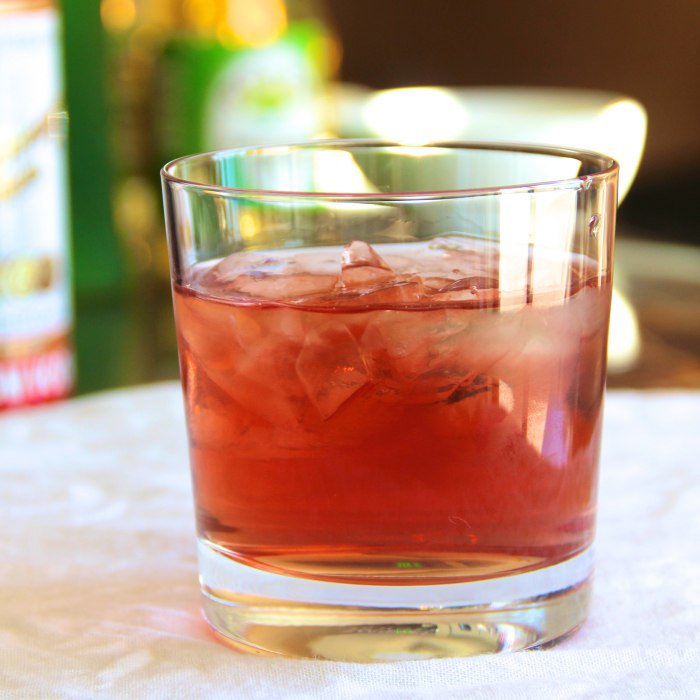
Kool-Aid Shot
The Kool-Aid Shot is a vibrant and playful cocktail that captures the nostalgic flavors of the classic childhood drink. This fun, colorful shot combines fruity flavored Kool-Aid with a splash of vodka or another spirit, creating a sweet and refreshing burst of flavor that's perfect for parties and celebrations. Its eye-catching appearance and delicious taste make it a favorite among those looking to relive their youthful indulgences.
Bounty Hunter
The Bounty Hunter is a tropical cocktail that captures the essence of adventure with its vibrant blend of rum, coconut cream, and pineapple juice, complemented by a hint of lime. Served over crushed ice and garnished with a slice of fresh pineapple or a cherry, this refreshing drink transports you to a sun-soaked beach, making it the perfect escape for any occasion.
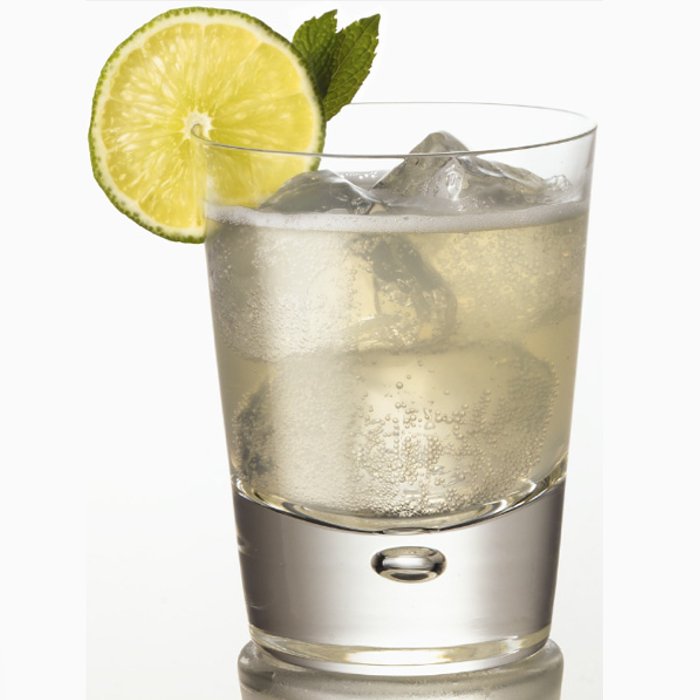
Rail Splitter
The Rail Splitter is a refreshing cocktail that combines the bold flavors of bourbon with the zesty notes of ginger beer and fresh lime juice. This invigorating drink is typically garnished with a lime wedge, making it a perfect choice for those seeking a spirited yet crisp beverage. Its harmonious blend of sweetness and spice captures the essence of classic American mixology.
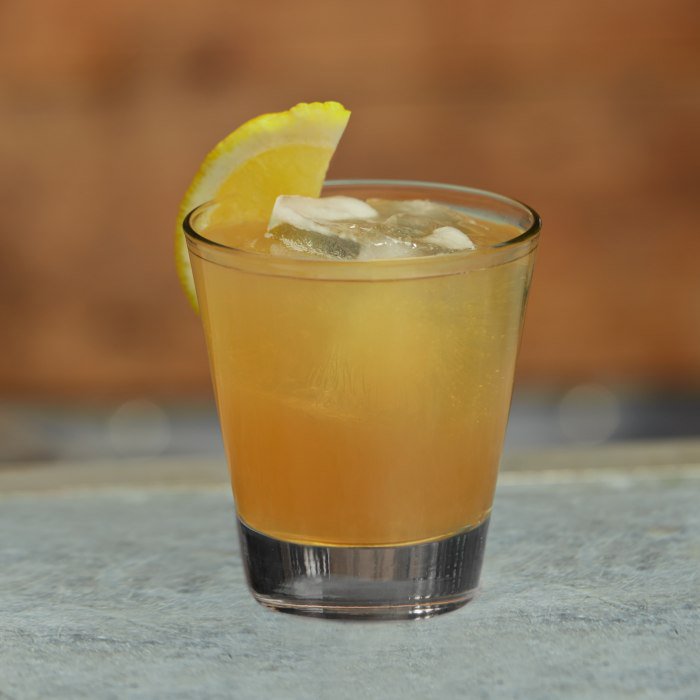
Tequila Sour
The Tequila Sour is a refreshing cocktail that combines the vibrant flavors of tequila with the tartness of fresh lemon juice and a touch of simple syrup for sweetness. Often garnished with a slice of lemon or a cherry, this drink offers a delightful balance of citrus and spirit, making it a perfect choice for warm evenings or festive gatherings. Its smooth texture and zesty profile make it a beloved twist on the classic sour cocktail family.
Similar Flavor Profiles
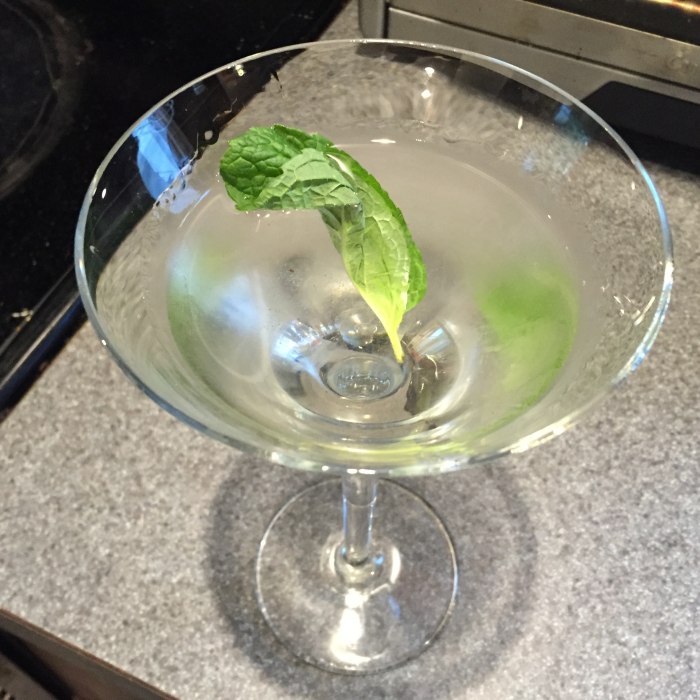
Derby
The Derby is a refreshing classic cocktail that combines bourbon, sweet vermouth, and fresh mint, creating a vibrant and aromatic drink. Often garnished with a sprig of mint and a twist of citrus, it beautifully balances the warmth of the bourbon with herbal and fruity notes, making it a perfect choice for spring and summer gatherings. This cocktail pays homage to the Kentucky Derby, celebrating the spirit of the event with every sip.
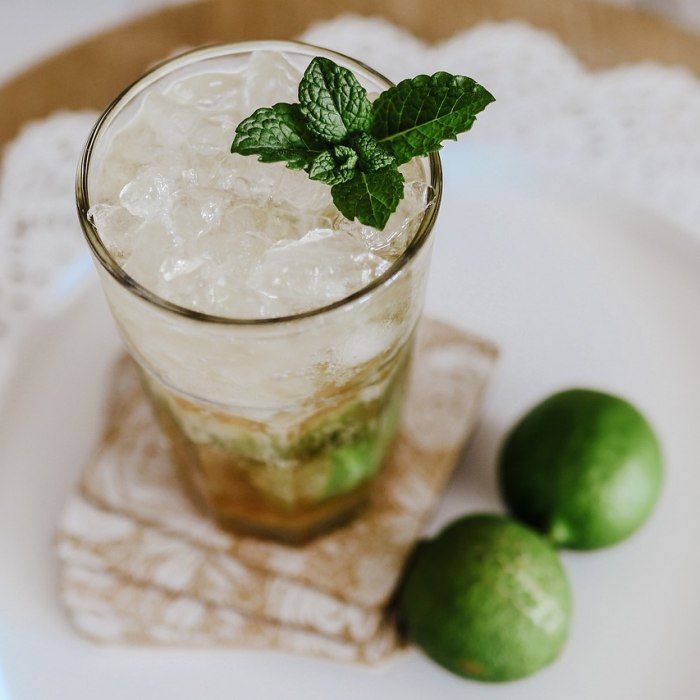
Mojito
The Mojito is a refreshing Cuban cocktail that combines white rum, fresh mint leaves, lime juice, sugar, and soda water. Its vibrant flavors and invigorating mint aroma make it a perfect choice for warm weather, offering a delightful balance of sweetness and tang. Served over ice, the Mojito is not only a thirst-quencher but also a classic favorite among cocktail enthusiasts.
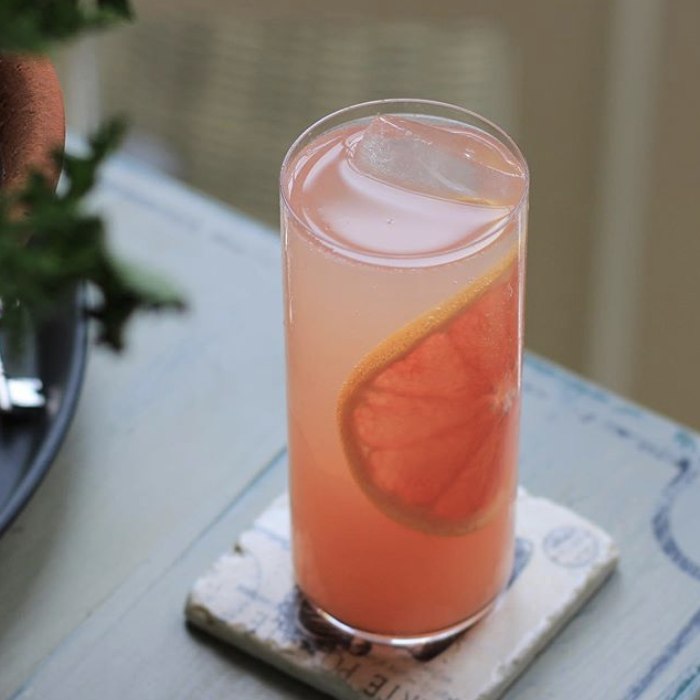
Lazy Coconut Paloma
The Lazy Coconut Paloma is a refreshing twist on the classic cocktail, blending smooth coconut cream with zesty grapefruit juice and a splash of tequila. Topped with sparkling water, this tropical drink offers a perfect balance of sweetness and tartness, making it an ideal choice for lazy afternoons by the beach or poolside. Garnished with a slice of grapefruit and a sprig of mint, it’s a delightful sip of summer in every glass.
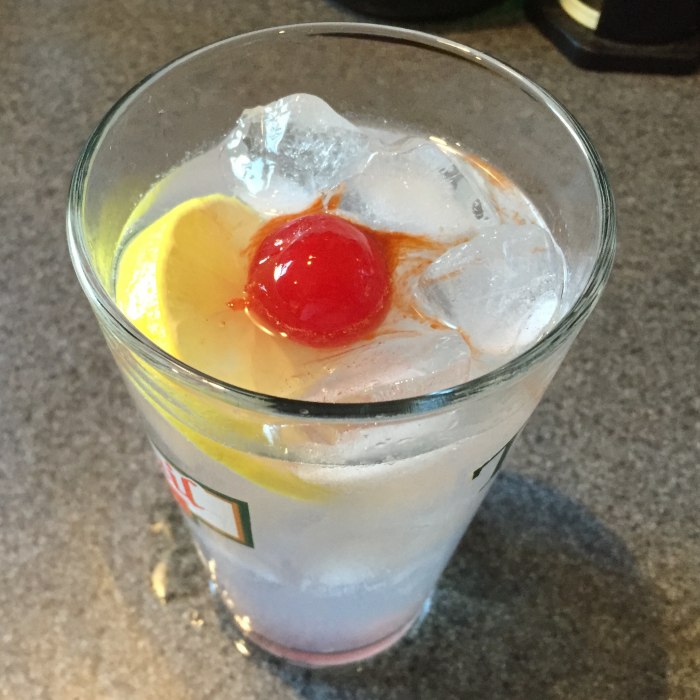
John Collins
The John Collins is a refreshing classic cocktail that combines gin, fresh lemon juice, simple syrup, and soda water, served over ice in a tall glass. Garnished with a lemon slice and a cherry, this drink offers a delightful balance of sweetness and tartness, making it a perfect choice for warm weather. Its effervescent nature and zesty flavor profile have made it a timeless favorite among cocktail enthusiasts.
Advertisement