Ordinary Drink
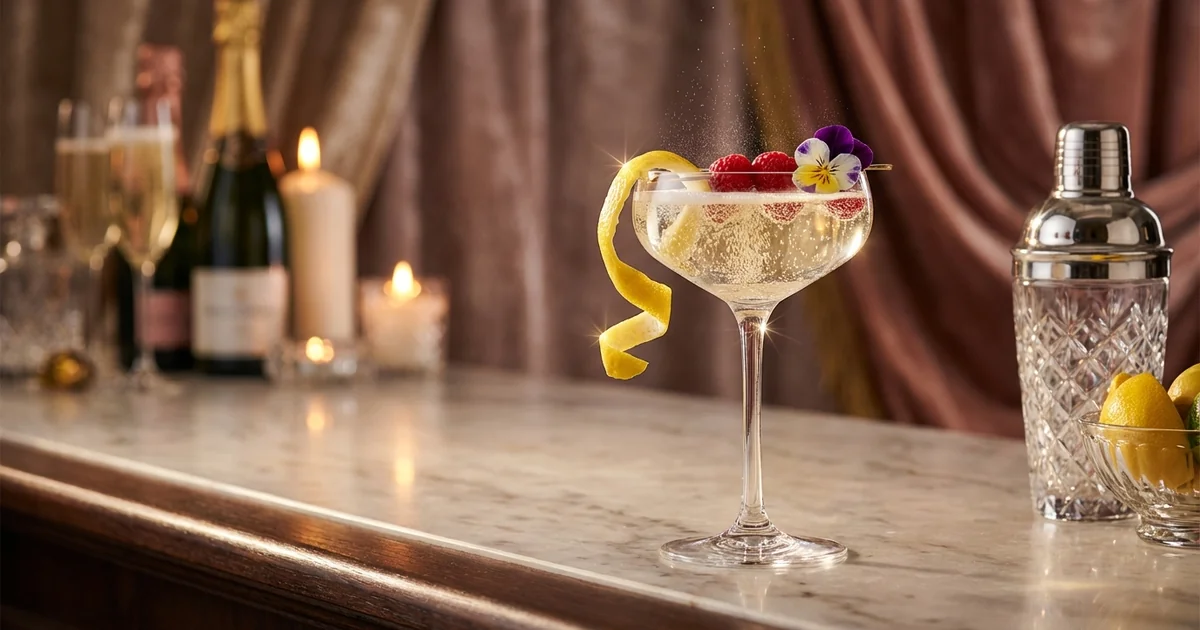
French 75
Le French 75 est un cocktail élégant et pétillant, alliant le gin, le jus de citron frais, le sucre et le champagne. Servi dans une flûte, il offre une expérience rafraîchissante et sophistiquée, parfaite pour les célébrations. Son nom rend hommage à un obus de la Première Guerre mondiale, symbolisant à la fois sa puissance et son raffinement.
- citrus
- pétillant
- floral
- rafraîchissant
- Prep Time
- 5 min
- Glass
- Collins glass
- Difficulty
- Easy
- ABV
- 14%
- Yields
- 1 serving
Le French 75 est un ordinary drink à base de gin, reconnu pour ses notes citrus and pétillant — parmi les "célébration" les plus recherchés. Prêt en seulement 5 minutes, idéal pour réveillons et simple à réaliser chez soi. Si vous cherchez "anniversaire", cette recette est pour vous.
Key Takeaways
What you’ll learn
- The French 75 was named after the powerful WWI-era 75mm field gun for its reputedly fierce kick.
- Both gin and cognac versions are historically valid; gin is the most popular modern interpretation while cognac is the French original.
- Proper technique requires shaking the base ingredients with ice before topping with champagne — never shake the sparkling wine itself.
- Always use brut champagne or quality sparkling wine to balance the simple syrup's sweetness.
Advertisement
Ingredients
- Serves
- 1 serving
- Glass
- Collins glass
- Prep
- 5 min
- 1 1/2 ozGin
- 2 tsp superfineSugar
- 1 1/2 ozLemon juice
- 4 oz ChilledChampagne
- 1Orange
- 1Maraschino cherry
Method
Preparation
- 01
Combinez le gin, le sucre et le jus de citron dans un shaker à cocktail rempli de glace. Secouez vigoureusement et filtrez dans une flûte à champagne refroidie. Complétez avec du champagne. Remuez doucement.
Origin
History & Origins
The French 75's origin story is as debated as the recipe itself. Most cocktail historians credit Harry MacElhone, the Scottish bartender who founded Harry's New York Bar in Paris, with creating the drink around 1925. Some accounts trace it back to the interwar period in London, while others suggest a WWI-era provenance — French and American soldiers in France were supposedly mixing gin with champagne as early as 1915.
What is certain is that the cocktail's name invokes the Canon de 75 modèle 1897, the rapid-fire French field gun that became the signature artillery piece of World War I. Early drinkers claimed the cocktail had such a kick that it felt like being hit by the cannon's shell — a claim that speaks more to its deceptive drinkability than any literal comparison. The drink appeared in "The Savoy Cocktail Book" in 1930 with a gin base, cementing its place in the classic canon.
Early drinkers claimed the cocktail had such a kick that it felt like being hit by the cannon's shell — a claim that speaks more to its deceptive drinkability than any literal comparison.
The gin-versus-cognac debate persists to this day. French sources from the same era often specified cognac, suggesting the cognac version may be the authentic Parisian recipe while the gin variant was popularised in English-speaking countries. Today the IBA lists the French 75 as an official cocktail with gin as the canonical spirit. Some bartenders serve the cognac version as "French 75 Moderne." Both versions are historically valid, and choosing between them is an exercise in personal preference and cocktail philosophy.
Advertisement
Bartender’s Insight
Pro Tips
Refroidissez tous les ingrédients et la verrerie complètement avant la préparation pour une température de service optimale
From Elena
utilisez du gin London Dry pour maintenir l'équilibre botanique sans surcharger le champagne
ajoutez le champagne en dernier pour préserver l'effervescence et créer un attrait visuel
mélangez plutôt que de secouer pour maintenir la clarté
At the Table
Perfect Pairings
Beyond the Classic
Variations
French 75 75
Utilise 75 ml de chaque composant (gin, champagne, jus de citron, sirop) pour une proportion parfaite et une présentation puissante
Champagne 75
Incorpore un verre à champagne rincé à l'absinthe pour une note herbacée
French 75 Moderne
Ajoute une touche de bitter Peychaud's pour les épices subtiles et la complexité
Questions
Frequently Asked
- The French 75 has a flavor profile that is citrus, pétillant, floral, rafraîchissant. It is crafted to balance these characteristics into a harmonious, satisfying drink that appeals to a wide range of palates.
- The French 75 is ideal for réveillons, anniversaires, soirées élégantes. Its flavor profile and presentation make it a versatile choice that works equally well as a social cocktail or a relaxed evening drink.
- Yes, there are several ways to adapt a French 75. If you cannot source Gin, look for a similar alternative that matches its flavor profile. Keep in mind that substitutions may alter the balance of the cocktail, so start with a smaller quantity and adjust to taste. The variations section above lists popular alternatives bartenders use.
- Some of the most popular French 75 variations include French 75 75, Champagne 75, French 75 Moderne. Each variation puts a unique twist on the original recipe while retaining the essential character of the classic cocktail.
- The French 75 is traditionally served in a Collins glass. Using the right glassware is important because it affects the aroma, temperature retention, and overall drinking experience. If you do not have a Collins glass on hand, a similar shaped glass will work.
- Yes, a mocktail version of the French 75 is possible. Replace the base spirit with a non-alcoholic spirit alternative (there are many quality options available) and keep all other components the same. The result will capture much of the original's flavor profile while being suitable for guests who prefer alcohol-free options.
Other Gin Cocktails
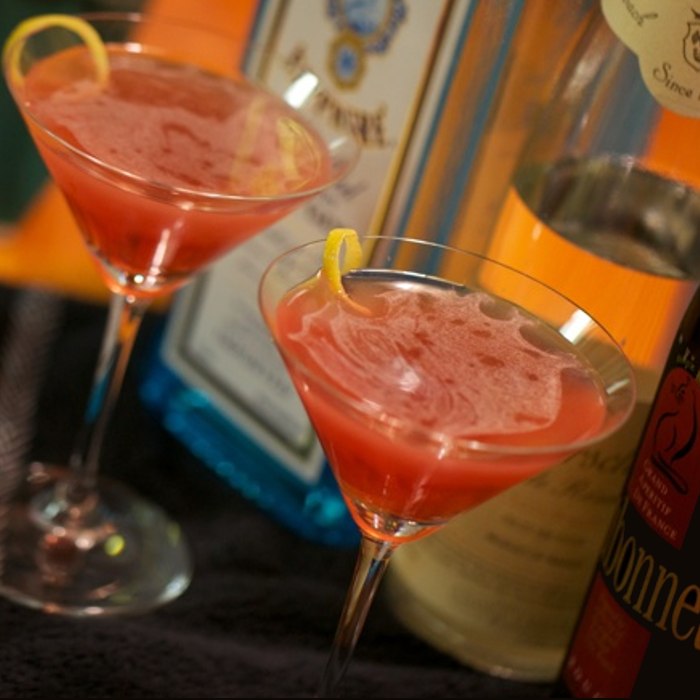
Blackthorn
Le Blackthorn est un cocktail élégant et raffiné, alliant la richesse de la gin à la douceur de la liqueur de prunelles. Servi sur glace, il est souvent agrémenté d'un zeste de citron pour une touche d'acidité qui équilibre parfaitement les saveurs. Ce mélange savoureux évoque des notes fruitées et épicées, parfait pour les amateurs de cocktails classiques.
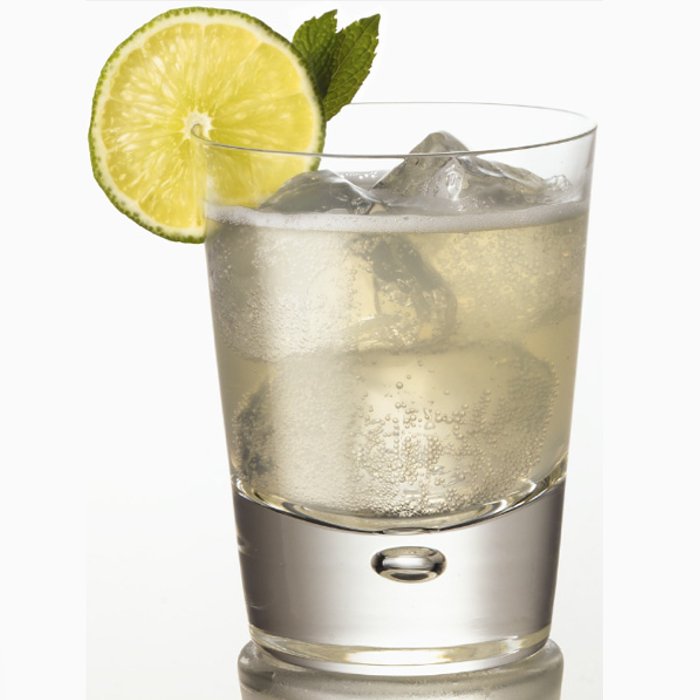
Rail Splitter
Le Rail Splitter est un cocktail audacieux qui marie habilement le bourbon, le jus de citron frais et un soupçon de sirop d'érable. Servi sur glace, il offre une expérience à la fois douce et réconfortante, évoquant les saveurs rustiques du terroir américain. Parfait pour les amateurs de cocktails classiques revisités, il saura séduire vos papilles.
The Philosopher
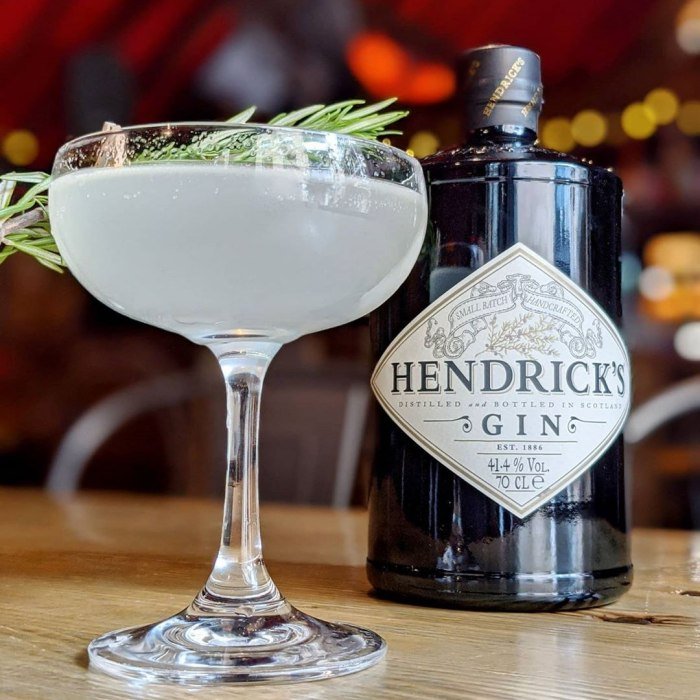
Le cocktail 'The Philosopher' est une création raffinée qui marie des saveurs complexes et des ingrédients inattendus. Avec une base de gin infusé aux herbes, agrémentée de tonic artisanal et d'une touche d'agrumes, il invite à la réflexion et à la contemplation. Ce breuvage élégant est parfait pour ceux qui aiment savourer chaque gorgée tout en discutant des grandes questions de la vie.
Ace
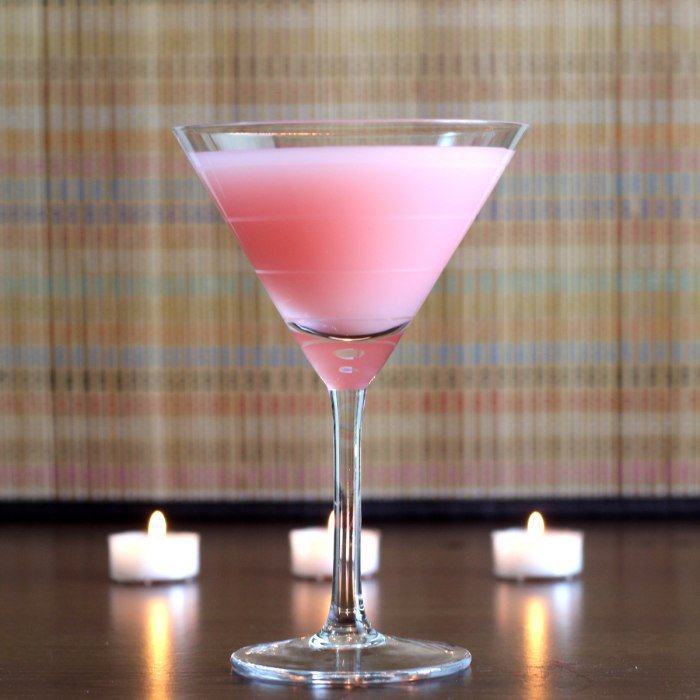
Le cocktail "Ace" est une délicieuse combinaison de saveurs rafraîchissantes, mêlant du gin artisanal, du tonic premium et une touche de citron vert. Servi avec des glaçons et une garniture de concombre, il offre une expérience à la fois élégante et désaltérante, parfaite pour les soirées estivales. Son équilibre subtil en fait un choix idéal pour les amateurs de cocktails sophistiqués.
Other réveillons Cocktails
Loch Lomond
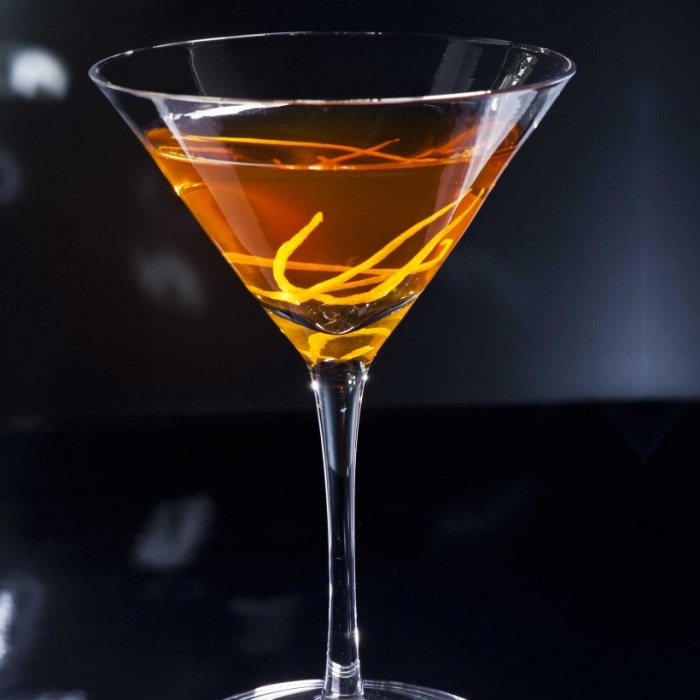
Le cocktail Loch Lomond est une délicieuse combinaison de whisky écossais, de vermouth doux et d'une touche de liqueur de cerise, offrant une saveur riche et complexe. Servi sur glace avec une garniture de zeste d'orange, il évoque les paysages pittoresques des Highlands écossais. Ce mélange harmonieux est parfait pour ceux qui recherchent une expérience gustative unique et raffinée.
Death in the Afternoon
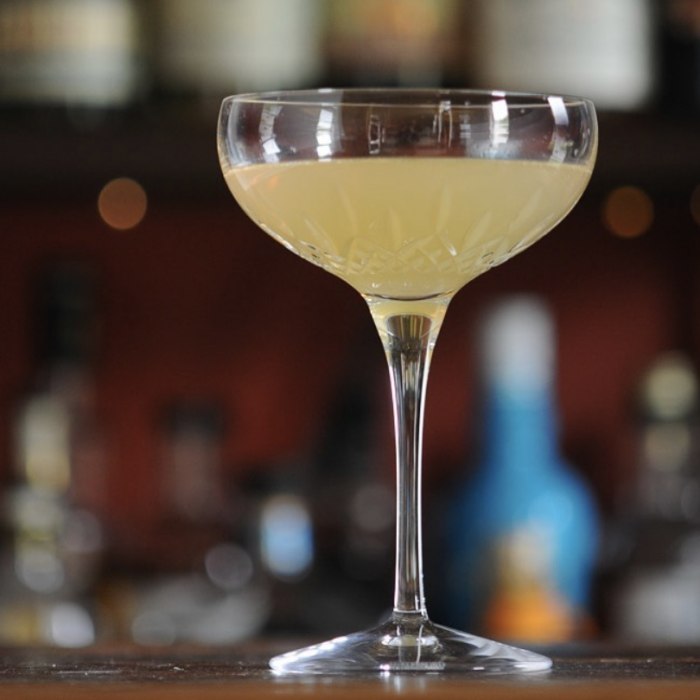
Le "Death in the Afternoon" est un cocktail élégant et rafraîchissant, combinant du champagne et de l'absinthe. Créé par l'écrivain Ernest Hemingway, ce mélange audacieux évoque une sensation à la fois pétillante et mystique, parfait pour ceux qui cherchent une expérience gustative unique. Sa couleur délicate et son arôme complexe en font une boisson fascinante à savourer.
Old Cuban
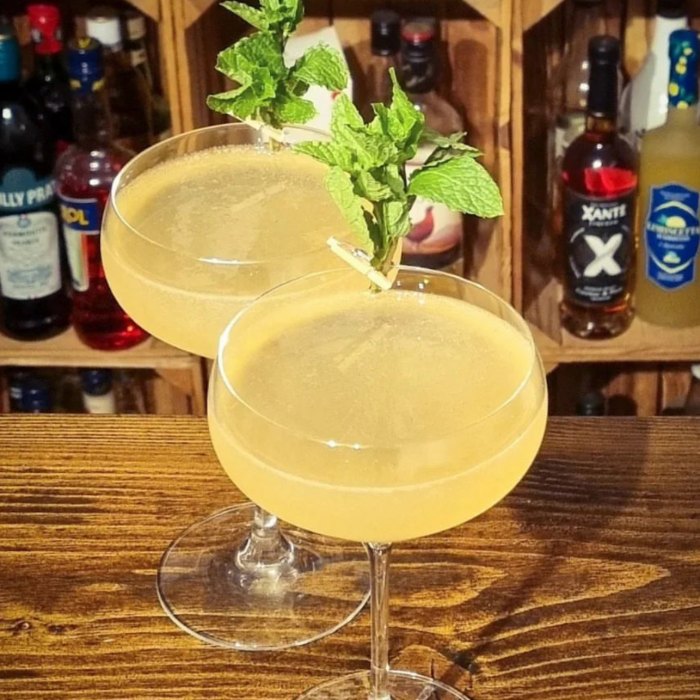
L'Old Cuban est un cocktail élégant qui allie le goût raffiné du rhum aged, la fraîcheur de la menthe, et l'effervescence du champagne. Servi avec un mélange de sucre, de citron vert et de bitters, ce cocktail offre une expérience à la fois pétillante et sophistiquée, parfaite pour toute occasion. Sa présentation luxueuse en fait un choix idéal pour les amateurs de cocktails classiques revisités.
Snowball
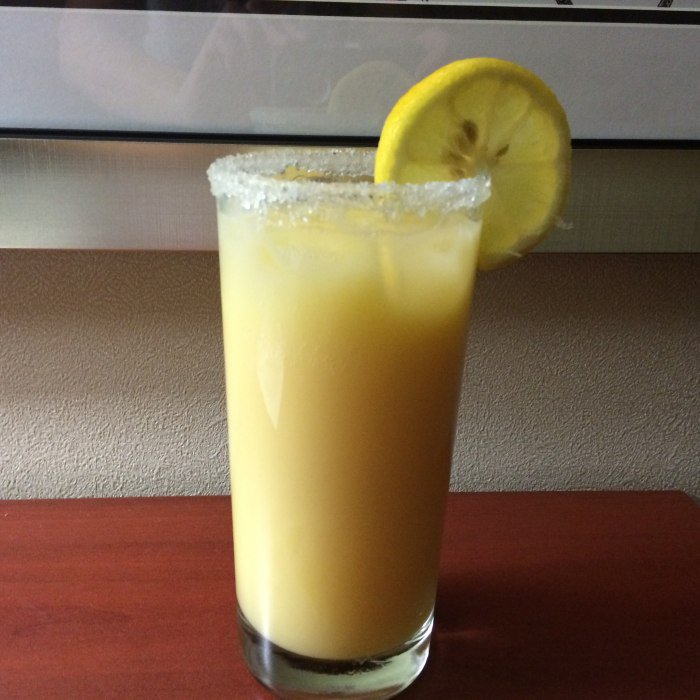
Le Snowball est un cocktail rafraîchissant et crémeux, parfait pour les fêtes d'hiver. Il combine de la liqueur d'œuf, du soda au citron et une touche de limonade, offrant une saveur douce et pétillante. Servi avec des glaçons et souvent garni d'une cerise ou d'un zeste de citron, il évoque une ambiance festive et chaleureuse.
Similar Flavor Profiles
The Philosopher
Le cocktail 'The Philosopher' est une création raffinée qui marie des saveurs complexes et des ingrédients inattendus. Avec une base de gin infusé aux herbes, agrémentée de tonic artisanal et d'une touche d'agrumes, il invite à la réflexion et à la contemplation. Ce breuvage élégant est parfait pour ceux qui aiment savourer chaque gorgée tout en discutant des grandes questions de la vie.
Jack's Vanilla Coke
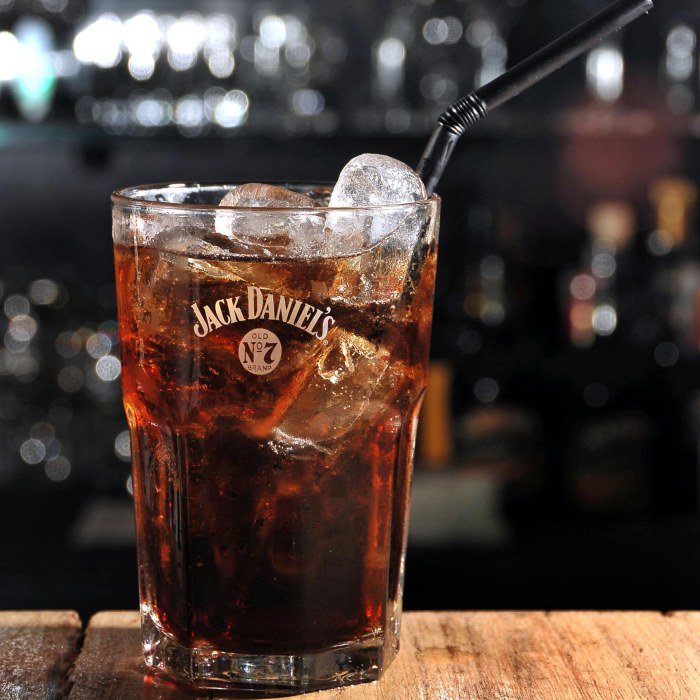
Jack's Vanilla Coke est un cocktail rafraîchissant qui allie le goût classique du cola à une touche de vanille onctueuse. Ce mélange savoureux est parfait pour ceux qui recherchent une boisson à la fois douce et pétillante, idéale pour se détendre ou célébrer une occasion spéciale. Laissez-vous séduire par cette fusion délicieuse qui ravira vos papilles.
Loch Lomond
Le cocktail Loch Lomond est une délicieuse combinaison de whisky écossais, de vermouth doux et d'une touche de liqueur de cerise, offrant une saveur riche et complexe. Servi sur glace avec une garniture de zeste d'orange, il évoque les paysages pittoresques des Highlands écossais. Ce mélange harmonieux est parfait pour ceux qui recherchent une expérience gustative unique et raffinée.
Ramos Gin Fizz
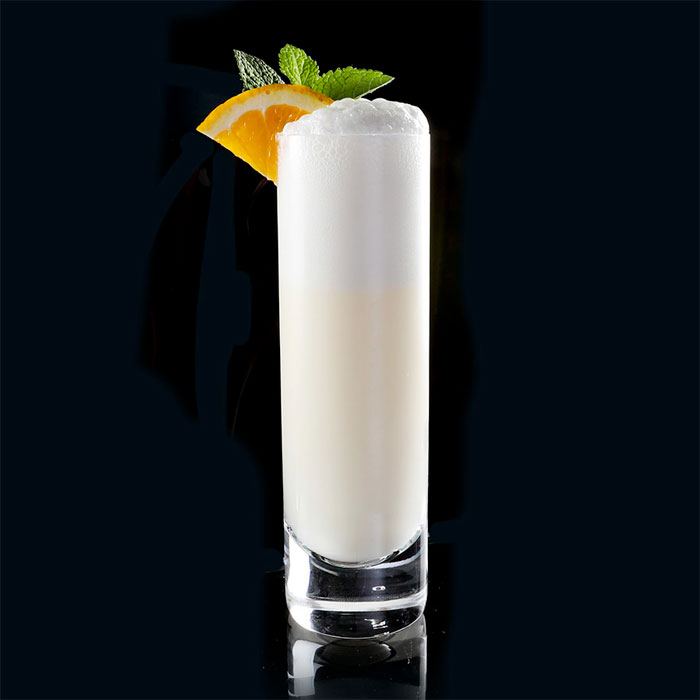
Le Ramos Gin Fizz est un cocktail classique originaire de la Nouvelle-Orléans, alliant gin, crème, jus de citron, sucre, et eau de fleur d'oranger. Sa texture légère et mousseuse est obtenue grâce à un mélange vigoureux, suivi d'une longue agitation pour créer une émulsion parfaite. Ce cocktail rafraîchissant est idéal pour les amateurs de boissons délicates et parfumées.
Advertisement