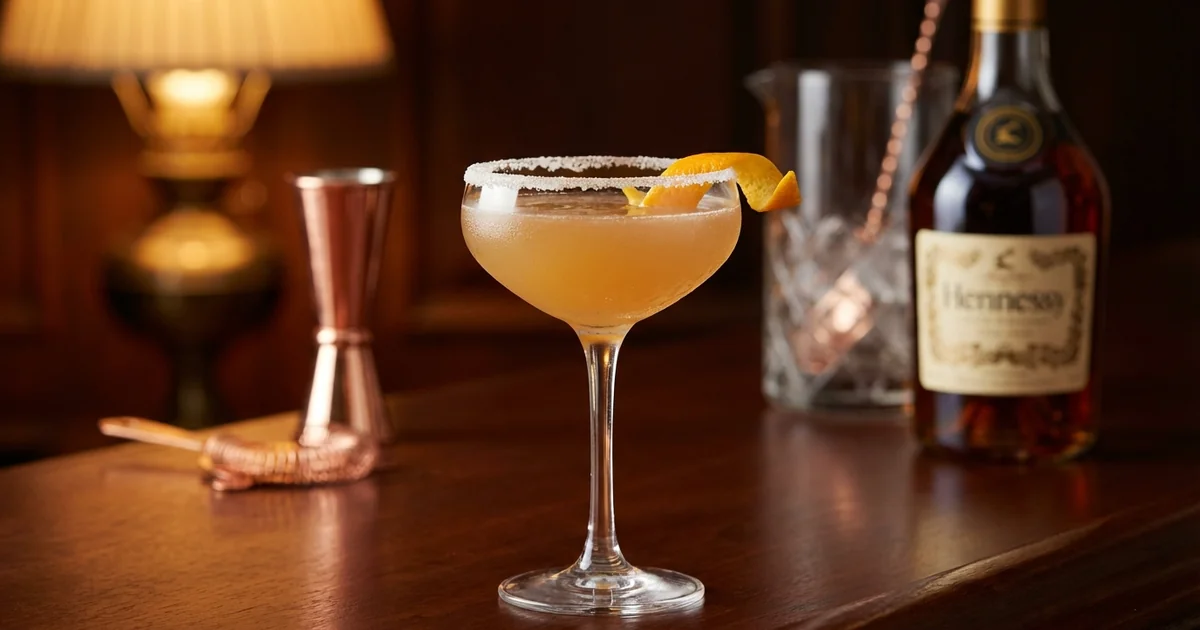
Ordinary Drink
Sidecar
Le Sidecar est un cocktail classique à base de cognac, de liqueur d'orange et de jus de citron, offrant un équilibre parfait entre douceur et acidité. Servi dans un verre à cocktail, il est souvent garni d'une fine couche de sucre sur le rebord, ajoutant une touche élégante à cette boisson raffinée. Ce cocktail emblématique évoque le glamour des années 1920 et reste un favori intemporel dans les bars du monde entier.
- acide
- fruité
- épicé
- rafraîchissant

- Prep Time
- 3 min
- Glass
- Cocktail glass
- Difficulty
- Intermediate
- ABV
- 22%
- Yields
- 1 serving
Peu de cocktails offrent un profil acide and fruité aussi équilibré que le Sidecar. À base de cognac, il se prépare en 3 minutes. L'une des recettes les plus consultées : "cocktail".
Key Takeaways
What you’ll learn
- The Sidecar emerged during WWI in Paris or London, becoming one of the most elegant cognac cocktails and a foundational template for the sour family.
- The modern classic recipe balances 2 oz cognac, 1 oz Cointreau, and 0.75 oz fresh lemon juice — a 2:1:0.75 ratio that showcases the base spirit.
- The sugar rim debate divides traditionalists and modernists: try both and decide. The sugar creates textural contrast; omitting it lets proportions speak for themselves.
- Quality VS or VSOP cognac and premium Cointreau (rather than budget triple sec) transform this three-ingredient cocktail dramatically.
Advertisement
Ingredients
- Serves
- 1 serving
- Glass
- Cocktail glass
- Prep
- 3 min
- 2 ozCognac
- 1/2 ozCointreau
- 1 ozLemon juice
Method
Preparation
- 01
Versez tous les ingrédients dans un shaker à cocktail rempli de glace. Secouez bien et filtrez dans un verre à cocktail.
Origin
History & Origins
The Sidecar stands as one of the most refined cocktails to emerge from the 1920s, and its exact origin remains one of cocktail history's most pleasantly debated mysteries. Two cities claim parentage: Harry MacElhone of Harry's New York Bar in Paris credits himself with creating it around 1922, while London's Buck's Club credits head bartender Pat MacGarry with the same invention at approximately the same time. Both stories involve a customer who arrived by motorcycle sidecar — though whether this is historical fact or convenient legend is impossible to determine.
What is certain is that the drink appears in cocktail books from the mid-1920s including Harry MacElhone's own "Harry's ABC of Mixing Cocktails" (1922) and Robert Vermeire's "Cocktails: How to Mix Them" (1922). The early recipes show variation in proportions — many called for equal parts of all three ingredients — but establish the fundamental trinity of cognac, orange liqueur, and lemon juice that defines the Sidecar to this day.
The early recipes show variation in proportions — many called for equal parts of all three ingredients — but establish the fundamental trinity of cognac, orange liqueur, and lemon juice that defines the Sidecar to this day.
The Sidecar belongs to a family of brandy sours that includes the earlier Brandy Crusta (1850s) and later variations like Between the Sheets, suggesting the cocktail may have evolved from established templates rather than being invented wholesale. Regardless, the Sidecar refined its predecessors into something distinctly elegant: the 2:1:0.75 ratio that modern bartenders favour showcases the cognac's complexity while providing refreshing citrus balance that makes the drink simultaneously rich and lively. The IBA lists it as an official cocktail.
Advertisement
Bartender’s Insight
Pro Tips
Utilisez un cognac premium comme base pour la profondeur et la complexité
From Arthur
le Cointreau de qualité est essentiel pour l'équilibre et la saveur d'orange
le jus de citron frais doit être utilisé—jamais en bouteille
servez dans un verre à cocktail refroidi garni de sucre
le ratio doit mettre l'accent sur le cognac par rapport aux autres ingrédients.
At the Table
Perfect Pairings
Beyond the Classic
Variations
Sidecar au Cognac
Remplace le cognac français par du brandy pour une base d'alcool plus légère et neutre
Sidecar Parfait
ajoute du vermouth sec pour une complexité et une profondeur supplémentaires
Sidecar Moderne
incorpore des liqueurs contemporaines et une technique mise à jour.
Questions
Frequently Asked
- The Sidecar has a flavor profile that is acide, fruité, épicé, rafraîchissant. It is crafted to balance these characteristics into a harmonious, satisfying drink that appeals to a wide range of palates.
- The Sidecar is ideal for anniversaires, dîners élégants, célébrations de fin d'année. Its flavor profile and presentation make it a versatile choice that works equally well as a social cocktail or a relaxed evening drink.
- Yes, there are several ways to adapt a Sidecar. If you cannot source Cognac, look for a similar alternative that matches its flavor profile. Keep in mind that substitutions may alter the balance of the cocktail, so start with a smaller quantity and adjust to taste. The variations section above lists popular alternatives bartenders use.
- Some of the most popular Sidecar variations include Sidecar au Cognac, Sidecar Parfait, Sidecar Moderne. Each variation puts a unique twist on the original recipe while retaining the essential character of the classic cocktail.
- The Sidecar is traditionally served in a Cocktail glass. Using the right glassware is important because it affects the aroma, temperature retention, and overall drinking experience. If you do not have a Cocktail glass on hand, a similar shaped glass will work.
- Yes, a mocktail version of the Sidecar is possible. Replace the base spirit with a non-alcoholic spirit alternative (there are many quality options available) and keep all other components the same. The result will capture much of the original's flavor profile while being suitable for guests who prefer alcohol-free options.
Other Cognac Cocktails
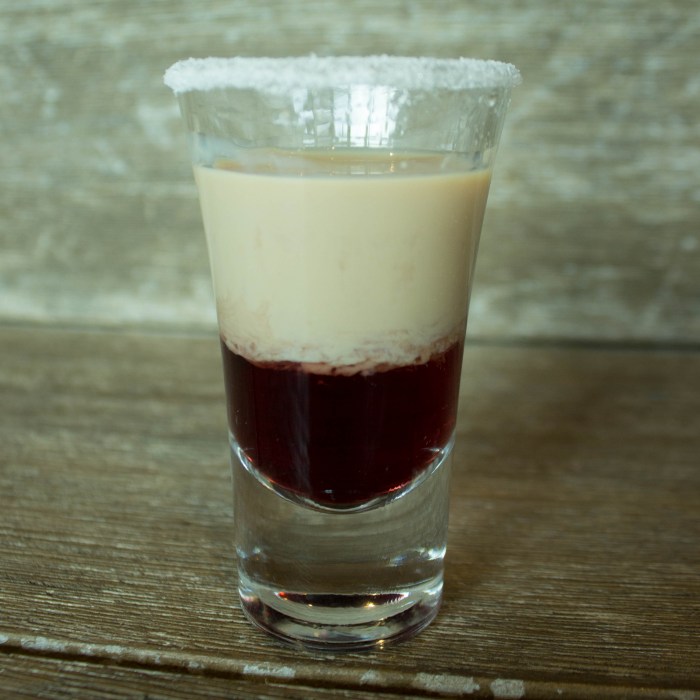
ABC
Le cocktail ABC est une délicieuse combinaison de saveurs fruitées et acidulées, mélangeant du jus d'orange frais, de la liqueur de cerise et une touche de citron vert. Servi sur glace avec une garniture de zeste d'orange, il offre une expérience rafraîchissante et vivifiante, parfaite pour toutes les occasions. Ce cocktail coloré saura séduire les amateurs de boissons estivales.
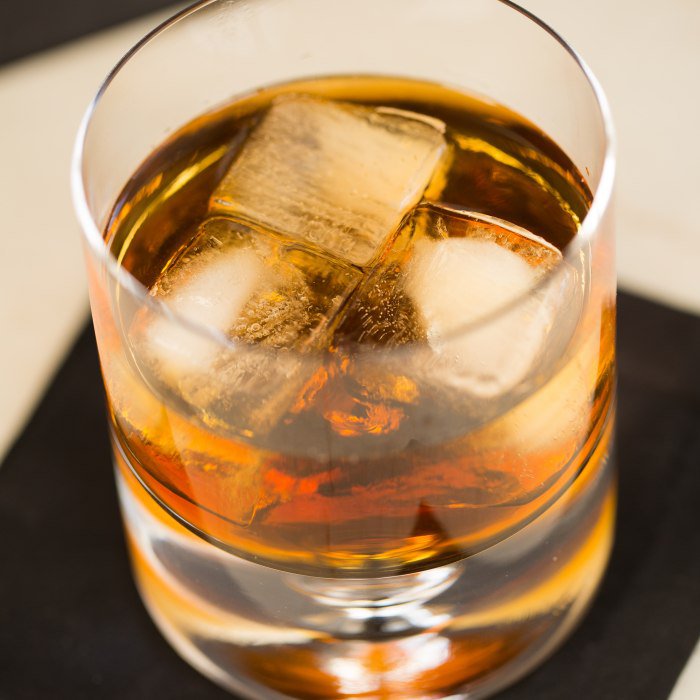
French Connection
Le cocktail 'French Connection' est un mélange savoureux de cognac et d'amaretto, offrant une harmonie parfaite entre la richesse du cognac et la douceur de l'amaretto. Servi généralement sur glace, ce cocktail élégant évoque le charme et le raffinement de la culture française. C'est une boisson idéale pour les amateurs de cocktails classiques.
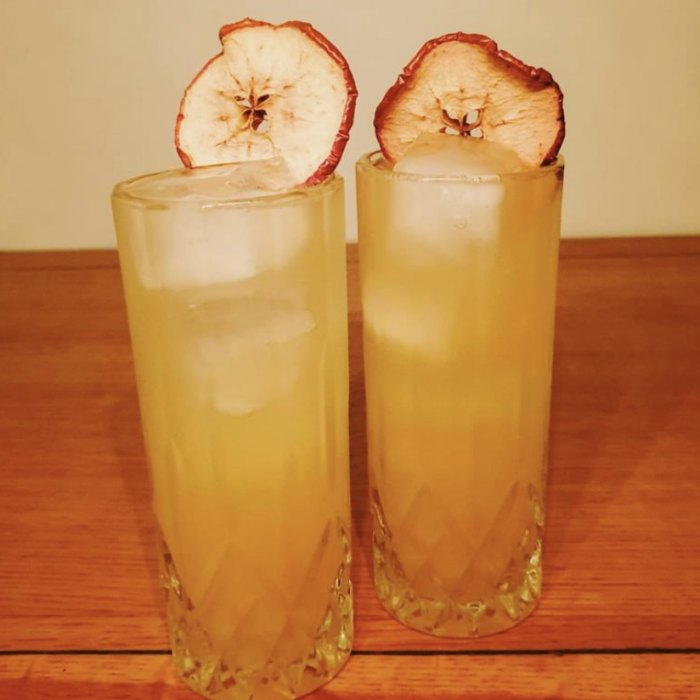
Apple Highball
Le cocktail Apple Highball est une boisson rafraîchissante qui marie la douceur du jus de pomme avec la légèreté du soda. Servi sur glace, il est souvent agrémenté d'une touche de citron et d'une rondelle de pomme pour une présentation élégante. Parfait pour les soirées d'été, il offre un équilibre harmonieux entre fruité et pétillant.
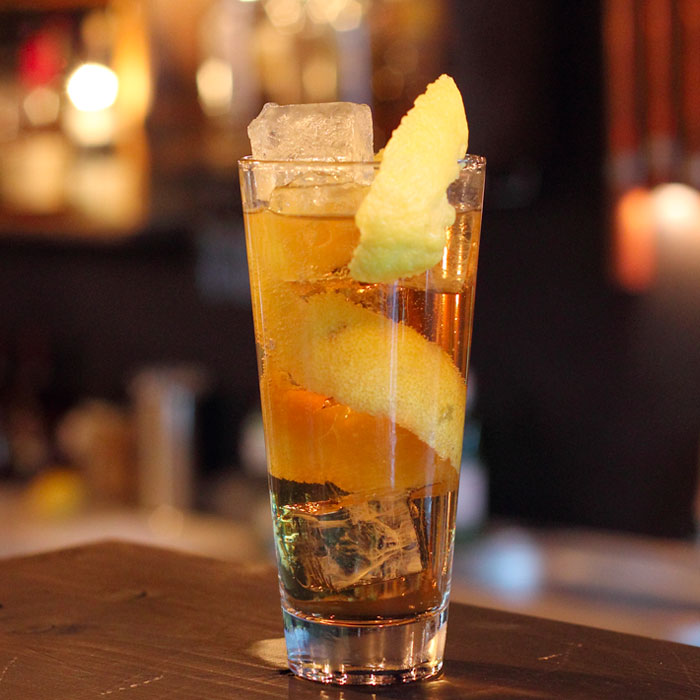
Cocktail Horse’s Neck
Le Cocktail Horse’s Neck est une boisson élégante et rafraîchissante, composée de bourbon ou de rye whiskey, de ginger ale et d’un zeste de citron. Servi dans un verre haut, il se distingue par sa garniture de longue spirale de zeste de citron qui évoque la crinière d'un cheval. Ce cocktail allie douceur et épices, offrant une expérience gustative unique.
Other anniversaires Cocktails
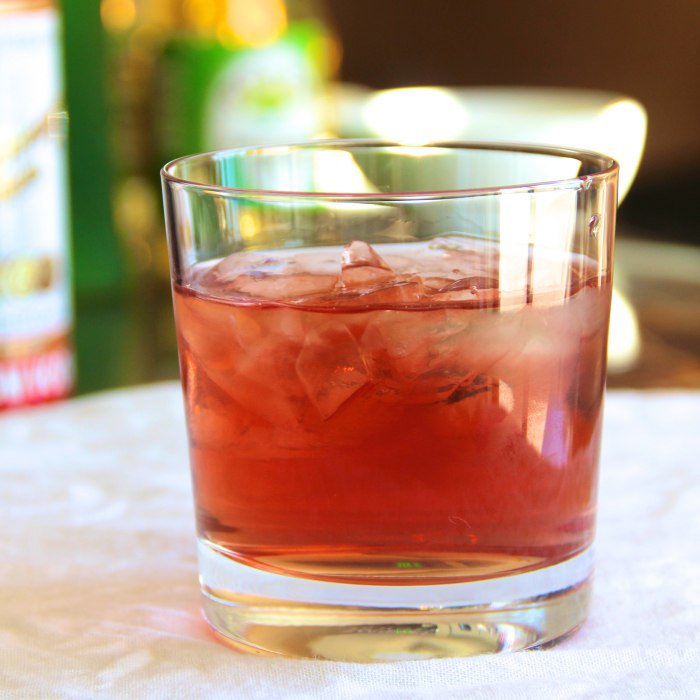
Kool-Aid Shot
Le "Kool-Aid Shot" est un cocktail vibrant et fruité qui évoque les souvenirs d'enfance avec sa couleur vive et son goût sucré. Mélangeant des liqueurs aux saveurs de fruits et une touche de Kool-Aid, ce shot rafraîchissant est parfait pour les fêtes et les soirées entre amis. Sa simplicité et son côté ludique en font un choix populaire pour ceux qui cherchent à s'amuser.
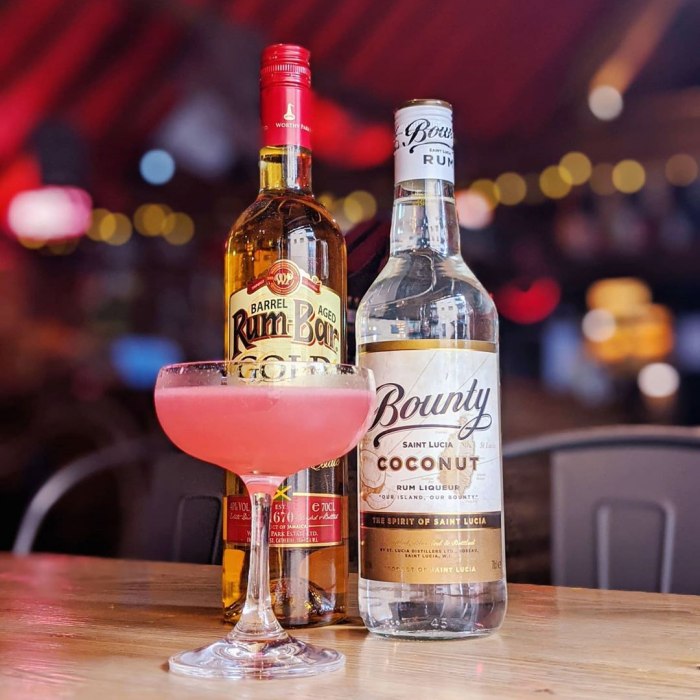
Bounty Hunter
Le cocktail "Bounty Hunter" est une délicieuse combinaison de saveurs exotiques qui évoque des paysages tropicaux. Mélangeant des notes de rhum, de noix de coco et d'agrumes, il offre une expérience rafraîchissante et envoûtante, parfaite pour les amateurs de cocktails d'été. Sa présentation colorée et son goût unique en font un véritable trésor à découvrir.
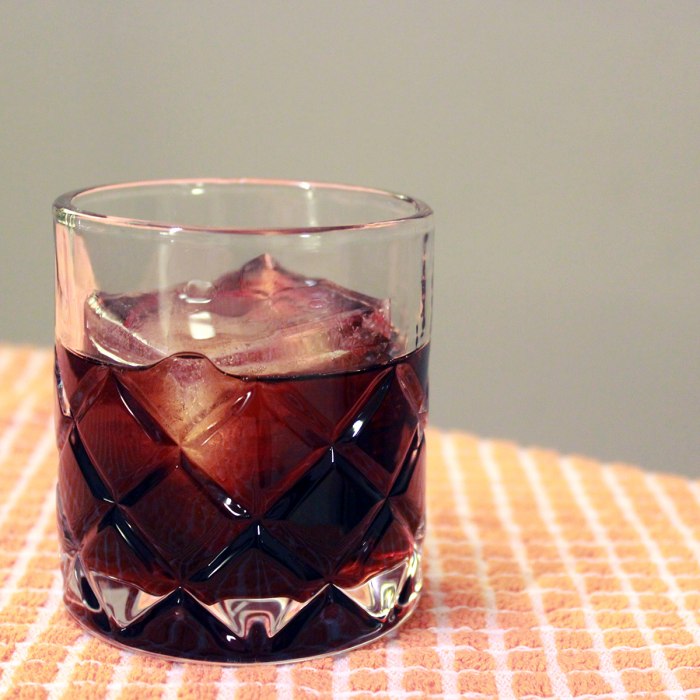
Black Russian
Le Black Russian est un cocktail classique à base de vodka et de liqueur de café, offrant un équilibre parfait entre la douceur du café et la chaleur de la vodka. Servi sur glace, il est à la fois simple et élégant, idéal pour les amateurs de saveurs intenses. Ce mélange audacieux est souvent apprécié en soirée ou comme digestif.
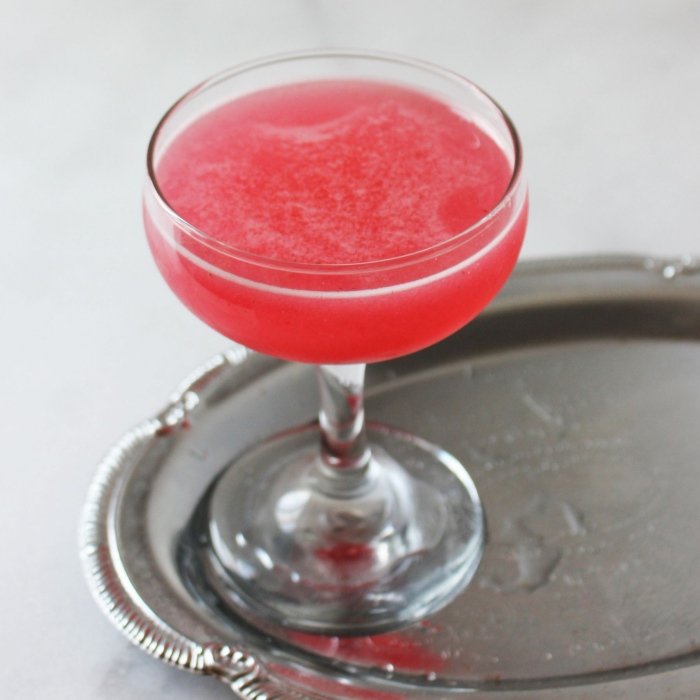
Moranguito
Le Moranguito est un cocktail rafraîchissant qui marie des saveurs fruitées et sucrées, mettant en vedette des fraises juteuses et un soupçon de menthe. Servi sur glace, il offre une expérience estivale parfaite, idéale pour les chaudes journées ensoleillées. Avec une touche de citron vert et un peu de soda, ce cocktail est un véritable délice pour les amateurs de boissons fruitées.
Similar Flavor Profiles
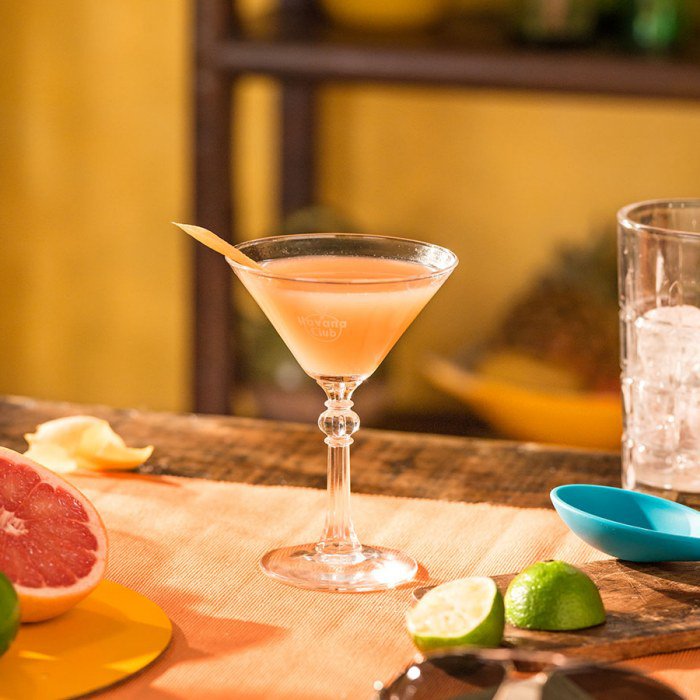
Havana Cocktail
Le Havana Cocktail est une délicieuse boisson tropicale qui évoque les plages ensoleillées de Cuba. Mélangeant du rhum blanc, du jus de citron frais et une touche de sirop de sucre, il offre un équilibre parfait entre acidité et douceur, idéal pour se rafraîchir lors des chaudes soirées d'été. Sa garniture de menthe fraîche ajoute une note aromatique qui complète cette expérience gustative.
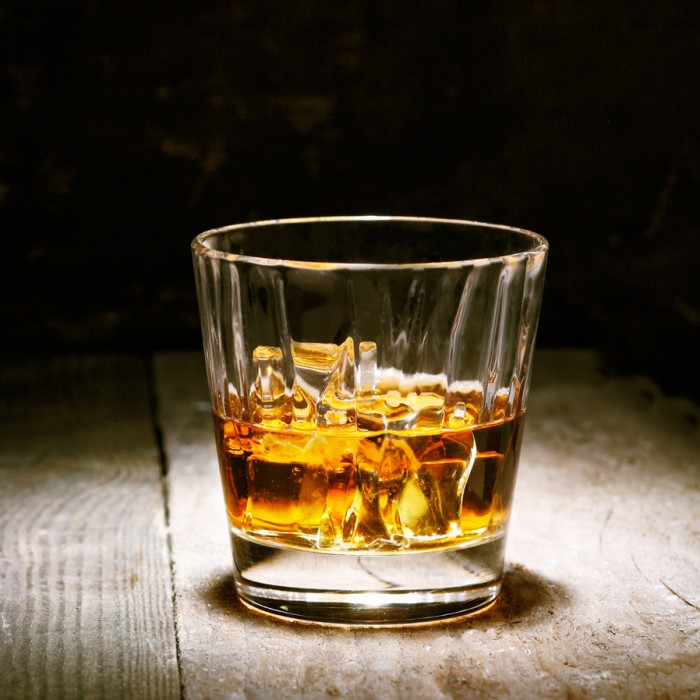
ACID
Le cocktail ACID est une boisson audacieuse et rafraîchissante qui marie des saveurs acidulées avec une touche d'originalité. Préparé avec des ingrédients comme le citron vert, la vodka et un soupçon de liqueur de fruits, il offre une expérience gustative à la fois vibrante et équilibrée. Idéal pour les amateurs de cocktails qui recherchent une explosion de fraîcheur en bouche.
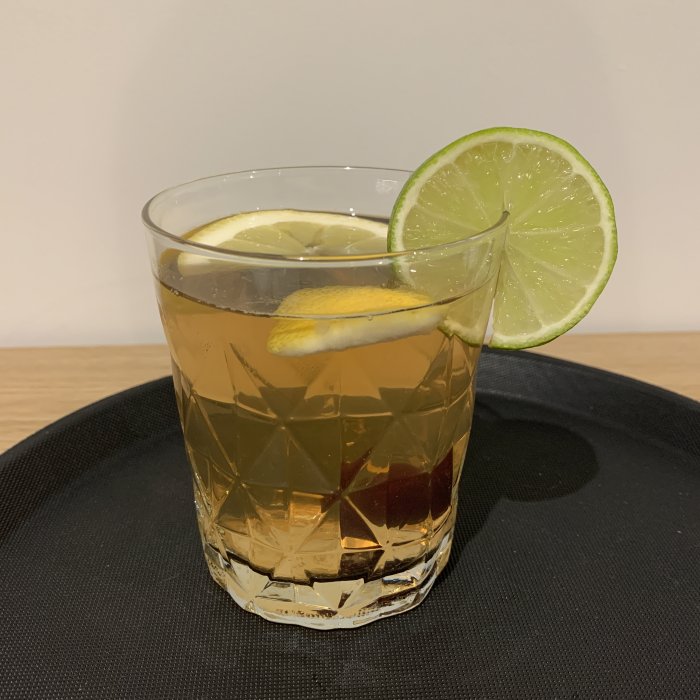
Frisco Sour
Le Frisco Sour est un cocktail rafraîchissant qui allie le bourbon, le jus de citron frais et un soupçon de sirop simple, créant un équilibre parfait entre acidité et douceur. Sa touche unique provient souvent de l'ajout d'un blanc d'œuf, qui lui confère une texture veloutée et une belle mousse. Idéal pour ceux qui recherchent une boisson à la fois classique et audacieuse.
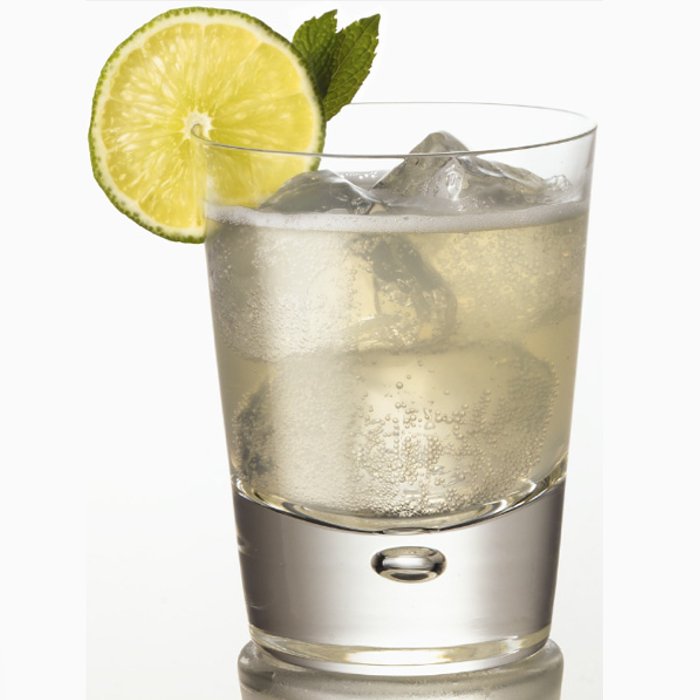
Rail Splitter
Le Rail Splitter est un cocktail audacieux qui marie habilement le bourbon, le jus de citron frais et un soupçon de sirop d'érable. Servi sur glace, il offre une expérience à la fois douce et réconfortante, évoquant les saveurs rustiques du terroir américain. Parfait pour les amateurs de cocktails classiques revisités, il saura séduire vos papilles.
Advertisement