Ordinary Drink
Daiquiri
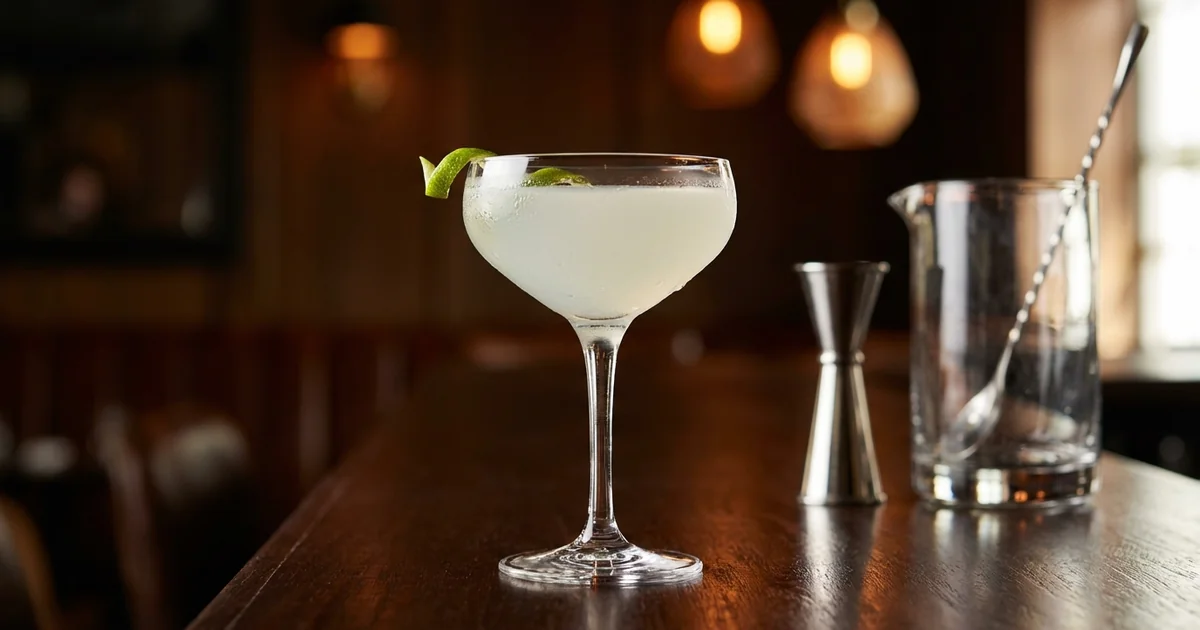
The Daiquiri is a classic cocktail that combines rum, fresh lime juice, and simple syrup, resulting in a refreshing and tangy drink. Traditionally served shaken and strained into a chilled glass, it embodies the perfect balance of sweetness and acidity, making it a timeless favorite among cocktail enthusiasts. Whether enjoyed on a beach or at a bar, the Daiquiri is a delightful way to savor the essence of summer.
- tart
- refreshing
- citrusy
- smooth
- Prep Time
- 5 min
- Glass
- Cocktail glass
- Difficulty
- Easy
- ABV
- 16%
- Yields
- 1 serving
At its core, the Daiquiri is a rum-forward ordinary drink that takes about 5 minutes to make. The result is tart and refreshing — worth every second. Consistently one of the most popular summer searches, and for good reason.
Key Takeaways
What you’ll learn
- The authentic classic daiquiri uses only three ingredients: white rum, fresh lime juice, and simple syrup in a 2:1:0.75 ratio that has been perfected over a century.
- Vigorous shaking for 15–20 seconds is non-negotiable — proper dilution (approximately 25% water) is what makes the drink balanced rather than harsh.
- Fresh lime juice is essential; bottled juice lacks the aromatic oils and bright acidity that define the cocktail.
- The original daiquiri was created around 1898–1900 by American mining engineer Jennings Cox near Santiago de Cuba, and later perfected at El Floridita in Havana.
- The classic daiquiri bears almost no resemblance to frozen, sugary versions — it is a sophisticated, spirit-forward cocktail served up in a chilled coupe.
Advertisement
Ingredients
- Serves
- 1 serving
- Glass
- Cocktail glass
- Prep
- 5 min
- 1 1/2 ozLight rum
- Juice of 1/2Lime
- 1 tspPowdered sugar
Method
Preparation
- 01
Pour all ingredients into shaker with ice cubes. Shake well. Strain in chilled cocktail glass.
Origin
History & Origins
Few cocktails embody the elegance of simplicity quite like the classic daiquiri. Born in the copper mines of Cuba at the turn of the 20th century and perfected in the legendary bars of Havana, this three-ingredient masterpiece captured the hearts of icons like Ernest Hemingway and John F. Kennedy.
The daiquiri was likely invented around 1898–1900 by Jennings Cox, an American mining engineer working near Santiago de Cuba in a village called Daiquirí. The story goes that Cox ran out of gin while entertaining American guests and substituted the local rum, adding lime and sugar to make it more palatable. The drink remained a regional specialty until it made its way to Havana, where it was refined and popularized at El Floridita bar — "the cradle of the daiquiri." The bar's legendary bartender, Constantino Ribalaigua Vert, is credited with perfecting the recipe and creating numerous variations.
The drink remained a regional specialty until it made its way to Havana, where it was refined and popularized at El Floridita bar — "the cradle of the daiquiri." The bar's legendary bartender, Constantino Ribalaigua Vert, is credited with perfecting the recipe and creating numerous variations.
Ernest Hemingway famously made El Floridita his second home during his years in Cuba (1939–1960). His preferred variation — the Hemingway Daiquiri or "Papa Doble" — doubled the rum, eliminated the sugar, and added grapefruit juice and maraschino liqueur. A plaque at his favorite corner of the bar reads: "My mojito in La Bodeguita, my daiquiri in El Floridita." The daiquiri became enormously popular in the United States during the 1940s–50s, served at sophisticated cocktail lounges and enjoyed by presidents. The craft cocktail renaissance of the early 2000s restored the classic to prominence, and today any respectable cocktail bar proudly serves an authentic daiquiri as a benchmark of fundamental skills.
Advertisement
Bartender’s Insight
Pro Tips
Shake hard and long — 15–20 full seconds. Under-shaking leaves the drink under-chilled and under-diluted, making it harsh and unbalanced. Your arm should tire; that's the right intensity.
From Kai
Fresh limes only. Bottled lime juice is cooked, preservative-laden, and tastes nothing like fresh lime. This is the cardinal rule of daiquiri making.
Pre-chill your coupe. A warm glass immediately undermines the carefully achieved temperature of a properly shaken daiquiri.
Taste your lime juice first — if it's particularly tart, increase simple syrup to 1 oz. If mild and sweet, stay at 0.75 oz. The ratio is a starting point, not a commandment.
Double-strain for the silkiest texture: use both a Hawthorne strainer and a fine-mesh strainer to remove all ice chips and lime pulp.
At the Table
Perfect Pairings
Beyond the Classic
Variations
Hemingway Daiquiri (Papa Doble)
2 oz white rum, 0.75 oz fresh lime juice, 0.5 oz grapefruit juice, 0.5 oz maraschino liqueur, and an optional 0.25 oz simple syrup. Hemingway drank his without sugar; most modern versions add a touch for balance. The maraschino liqueur adds cherry-almond complexity.
Strawberry Daiquiri (Proper Version)
Muddle 3–4 fresh strawberries in the shaker before adding 2 oz white rum, 0.75 oz fresh lime juice, and 0.5 oz simple syrup. Shake and double-strain. This is worlds apart from frozen versions — it is fresh, vibrant, and actually tastes like real strawberries.
Banana Daiquiri
Muddle half a ripe banana in the shaker, then add 2 oz white rum, 0.75 oz fresh lime juice, and 0.5 oz simple syrup. Shake hard and double-strain for a smooth, tropical variation. The banana's natural sweetness lets you reduce the syrup slightly.
Frozen Daiquiri (Done Right)
Blend 2 oz white rum, 1 oz fresh lime juice, 0.75 oz simple syrup, and 1.5 cups crushed ice until smooth. The key difference from artificial versions is real lime juice and proper proportions — the result is refreshing rather than cloying.
Watch
See it in action
Questions
Frequently Asked
- The Daiquiri has a flavor profile that is tart, refreshing, citrusy, smooth. It is crafted to balance these characteristics into a harmonious, satisfying drink that appeals to a wide range of palates.
- The Daiquiri is ideal for beach outings, tropical vacations, happy hour gatherings. Its flavor profile and presentation make it a versatile choice that works equally well as a social cocktail or a relaxed evening drink.
- Yes, there are several ways to adapt a Daiquiri. If you cannot source Light rum, look for a similar alternative that matches its flavor profile. Keep in mind that substitutions may alter the balance of the cocktail, so start with a smaller quantity and adjust to taste. The variations section above lists popular alternatives bartenders use.
- Some of the most popular Daiquiri variations include Hemingway Daiquiri (Papa Doble), Strawberry Daiquiri (Proper Version), Banana Daiquiri. Each variation puts a unique twist on the original recipe while retaining the essential character of the classic cocktail.
- The Daiquiri is traditionally served in a Cocktail glass. Using the right glassware is important because it affects the aroma, temperature retention, and overall drinking experience. If you do not have a Cocktail glass on hand, a similar shaped glass will work.
- Yes, a mocktail version of the Daiquiri is possible. Replace the base spirit with a non-alcoholic spirit alternative (there are many quality options available) and keep all other components the same. The result will capture much of the original's flavor profile while being suitable for guests who prefer alcohol-free options.
Other Rum Cocktails
Bounty Hunter
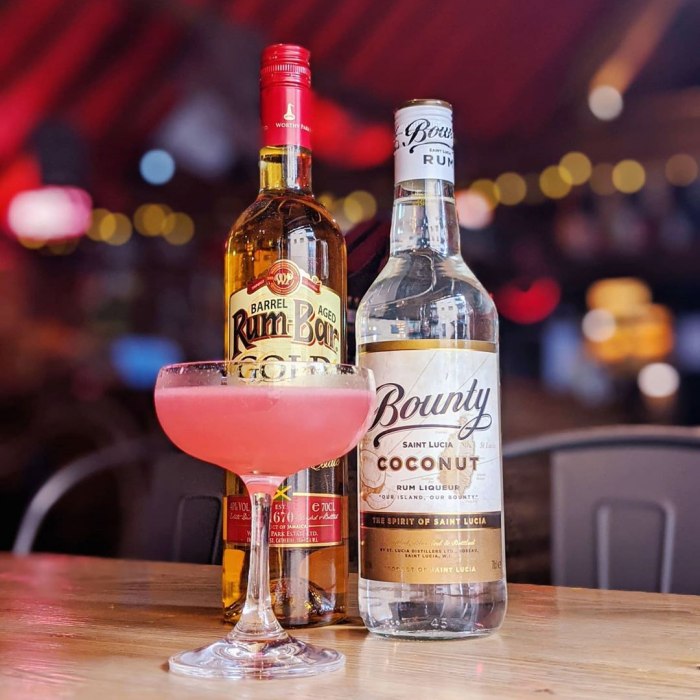
The Bounty Hunter is a tropical cocktail that captures the essence of adventure with its vibrant blend of rum, coconut cream, and pineapple juice, complemented by a hint of lime. Served over crushed ice and garnished with a slice of fresh pineapple or a cherry, this refreshing drink transports you to a sun-soaked beach, making it the perfect escape for any occasion.
Frozen Daiquiri
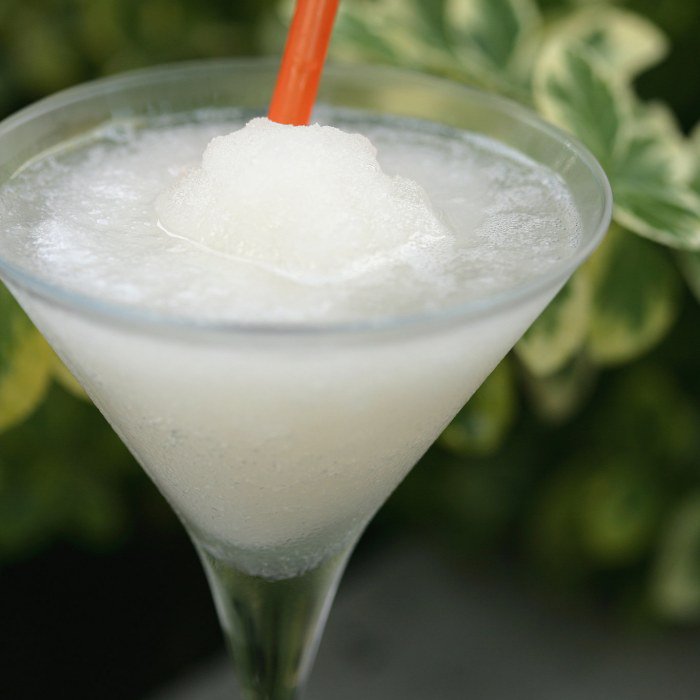
The Frozen Daiquiri is a refreshing and vibrant cocktail that blends rum, fresh lime juice, and simple syrup with crushed ice, creating a slushy texture perfect for warm weather. Often garnished with a lime wheel or cherry, this tropical drink offers a delightful balance of sweetness and tartness, making it a popular choice for beachside sipping or summer gatherings. Enjoy its icy allure as you unwind and savor the flavors of the tropics!
Casa Blanca
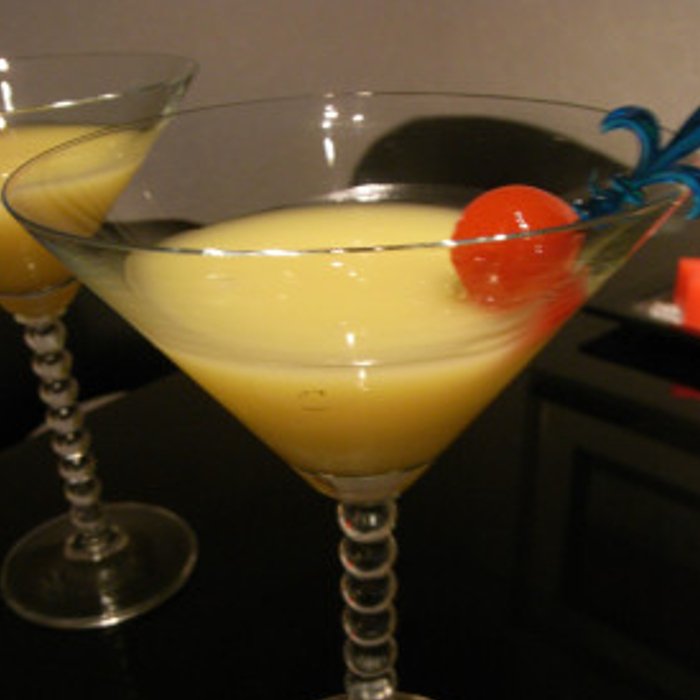
The Casa Blanca is a refreshing cocktail that combines the smoothness of white rum with the zesty brightness of fresh lime juice and the subtle sweetness of orange liqueur. Often garnished with a twist of citrus, this drink offers a delightful balance of flavors, making it a perfect choice for warm evenings or beachside lounging. Its elegant presentation and vibrant taste evoke the charm of its namesake, transporting you to a sun-soaked paradise with every sip.
Bacardi Cocktail
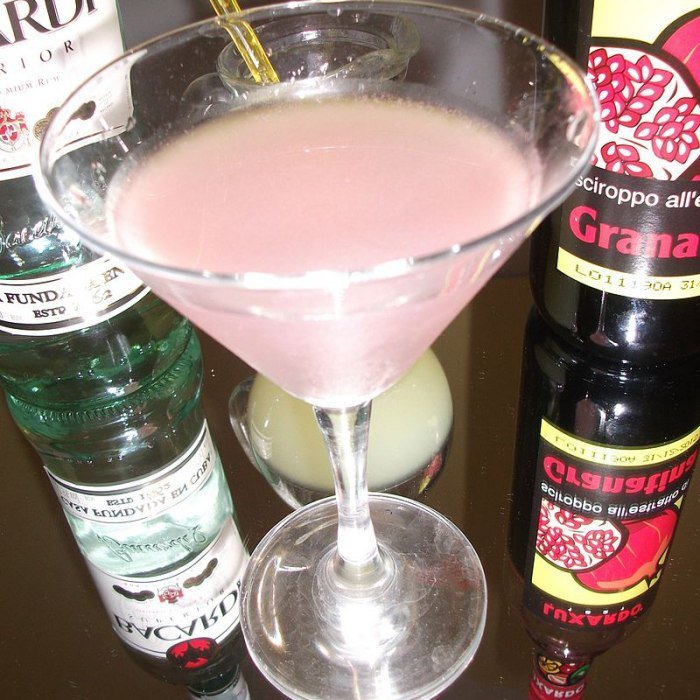
The Bacardi Cocktail is a refreshing and vibrant mix that showcases the smoothness of Bacardi rum, complemented by fresh lime juice and a touch of grenadine for a hint of sweetness. Served chilled in a classic cocktail glass, this drink is perfect for those seeking a tropical escape with a balanced flavor profile. Its bright red hue and zesty notes make it a delightful choice for any occasion.
Other beach outings Cocktails
Vodka Tonic
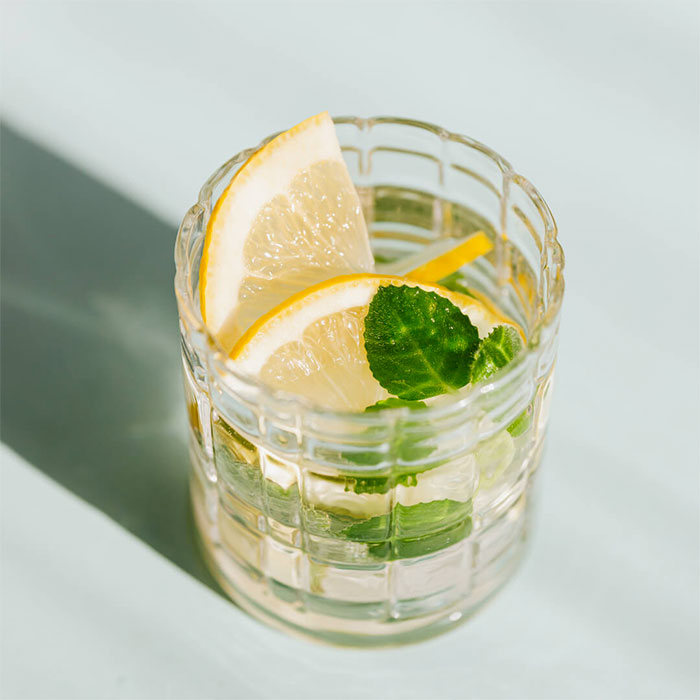
The Vodka Tonic is a refreshing and simple cocktail that combines smooth vodka with crisp tonic water, creating a perfect balance of flavors. Often garnished with a wedge of lime or lemon, this drink is a popular choice for those seeking a light and invigorating beverage. Its clean taste and versatility make it a staple at bars and gatherings alike.
Moranguito
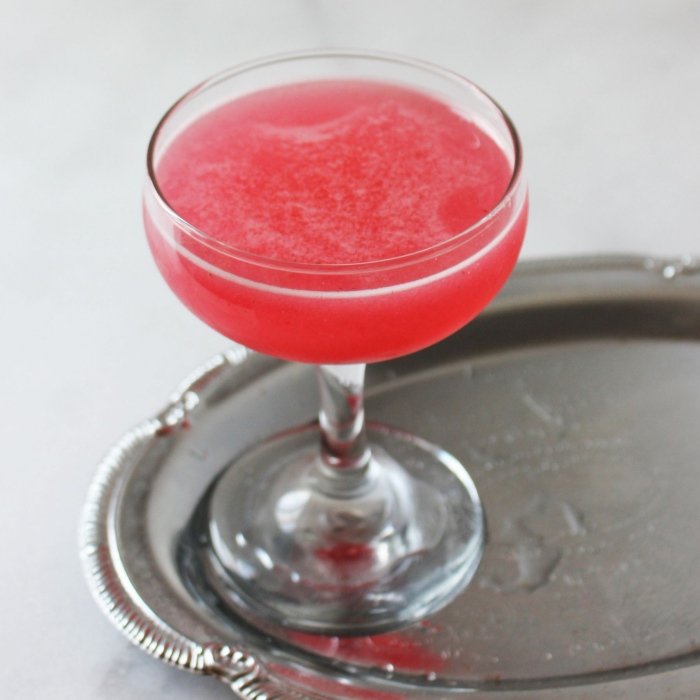
The Moranguito is a refreshing cocktail that combines the vibrant flavors of fresh strawberries and zesty lime with a splash of rum or vodka, creating a delightful balance of sweetness and tartness. Served over ice and often garnished with mint leaves, this drink is perfect for warm days and lively gatherings, inviting you to savor every sip. Its bright red hue and fruity aroma make it as visually appealing as it is delicious.
Frozen Daiquiri
The Frozen Daiquiri is a refreshing and vibrant cocktail that blends rum, fresh lime juice, and simple syrup with crushed ice, creating a slushy texture perfect for warm weather. Often garnished with a lime wheel or cherry, this tropical drink offers a delightful balance of sweetness and tartness, making it a popular choice for beachside sipping or summer gatherings. Enjoy its icy allure as you unwind and savor the flavors of the tropics!
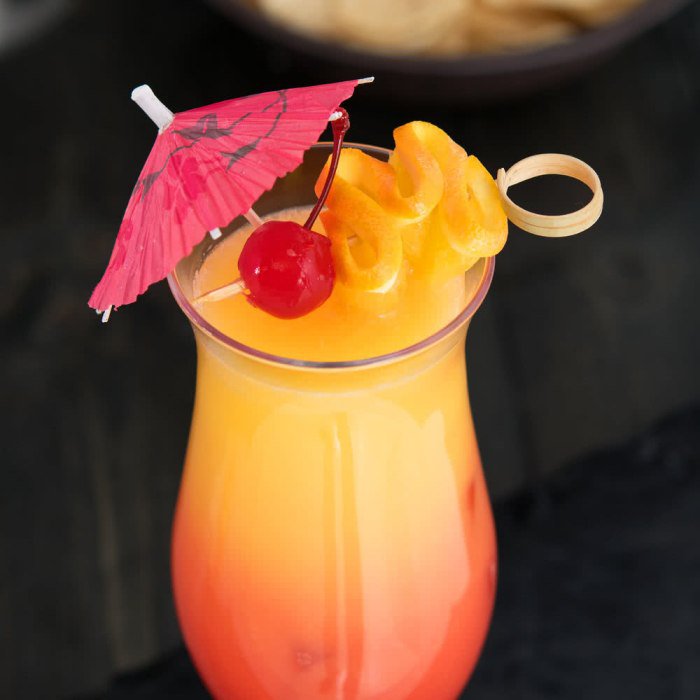
Orange Push-up
The Orange Push-up is a refreshing and nostalgic cocktail that captures the essence of a classic frozen treat. This vibrant drink blends citrusy orange flavors with a creamy texture, reminiscent of the beloved ice cream popsicle. Perfect for warm days, it offers a delightful balance of sweetness and tang, making it a fun and flavorful choice for any gathering.
Similar Flavor Profiles
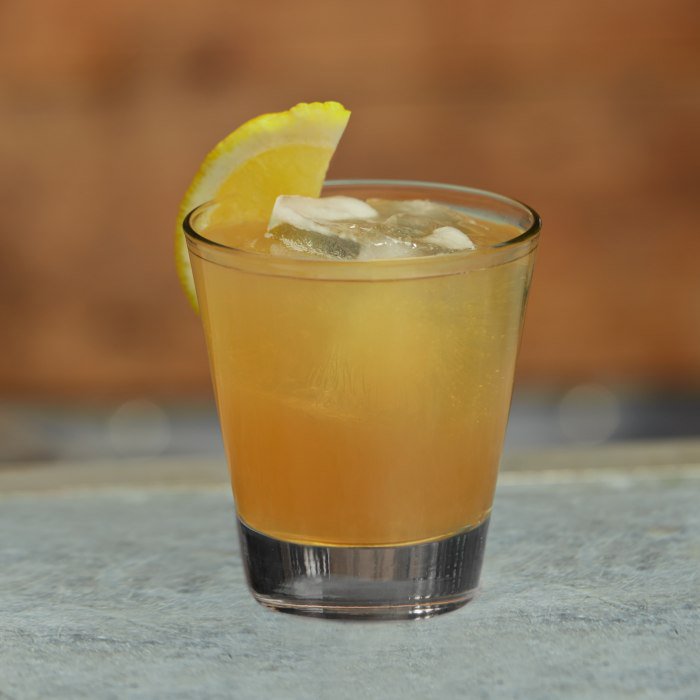
Tequila Sour
The Tequila Sour is a refreshing cocktail that combines the vibrant flavors of tequila with the tartness of fresh lemon juice and a touch of simple syrup for sweetness. Often garnished with a slice of lemon or a cherry, this drink offers a delightful balance of citrus and spirit, making it a perfect choice for warm evenings or festive gatherings. Its smooth texture and zesty profile make it a beloved twist on the classic sour cocktail family.
Casa Blanca
The Casa Blanca is a refreshing cocktail that combines the smoothness of white rum with the zesty brightness of fresh lime juice and the subtle sweetness of orange liqueur. Often garnished with a twist of citrus, this drink offers a delightful balance of flavors, making it a perfect choice for warm evenings or beachside lounging. Its elegant presentation and vibrant taste evoke the charm of its namesake, transporting you to a sun-soaked paradise with every sip.
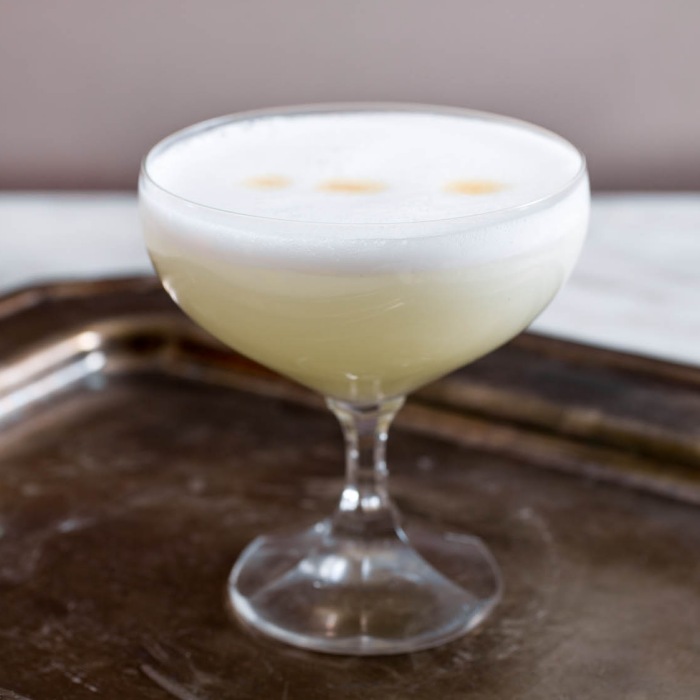
Pisco Sour
The Pisco Sour is a classic South American cocktail that combines pisco, a grape brandy from Peru or Chile, with fresh lime juice, simple syrup, and egg white, creating a frothy texture. This refreshing drink is typically garnished with a few dashes of bitters, offering a perfect balance of tartness and sweetness, making it a beloved choice for cocktail enthusiasts. Its vibrant flavor and smooth finish embody the spirit of the Andes, making it a true representation of Peruvian culture.
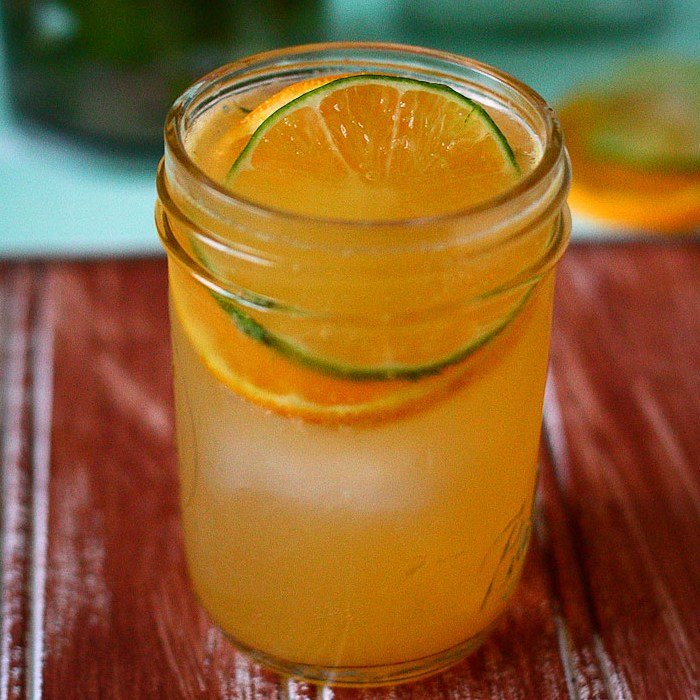
Stone Sour
The Stone Sour is a refreshing cocktail that blends the tangy flavors of fresh orange juice and sweet and sour mix with a smooth base of whiskey, typically bourbon or rye. Garnished with a cherry or orange slice, this drink offers a delightful balance of citrusy brightness and rich warmth, making it a perfect choice for any occasion. Its vibrant color and zesty taste make it a favorite among cocktail enthusiasts.
Advertisement