Coffee / Tea
Irish Coffee
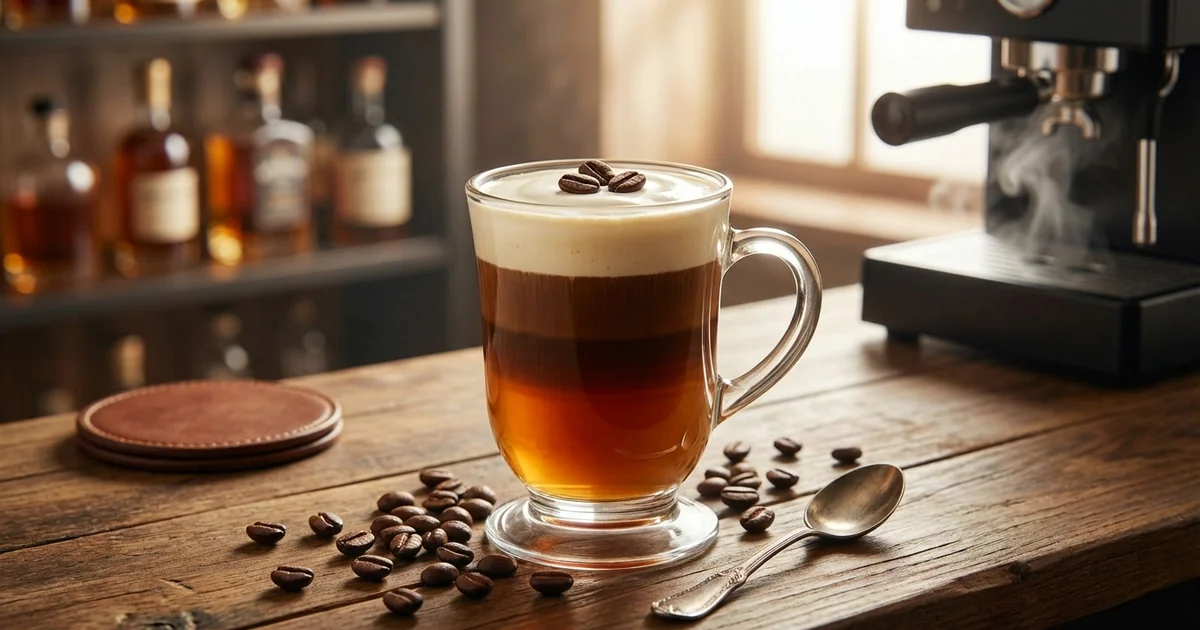
Irish Coffee is a warm and comforting cocktail that combines rich, freshly brewed coffee with smooth Irish whiskey and a touch of sugar. Topped with a layer of creamy whipped cream, it offers a delightful balance of robust flavors and sweetness, making it a perfect drink for cozy evenings or a festive brunch. Enjoyed hot, this classic beverage is a beloved staple in Irish pubs and beyond.
- rich
- creamy
- bitter
- warm

- Prep Time
- 5 min
- Glass
- Irish coffee cup
- Difficulty
- Intermediate
- ABV
- 9%
- Yields
- 1 serving
At its core, the Irish Coffee is a whiskey-forward coffee / tea that takes about 5 minutes to make. The result is rich and creamy — worth every second. Consistently one of the most popular dessert searches, and for good reason.
Key Takeaways
What you’ll learn
- Irish Coffee was created by chef Joe Sheridan in 1943 at Foynes Airbase (Shannon Airport) to warm cold, storm-delayed passengers.
- The signature cream float requires lightly whipped (not stiff) cream poured slowly over the back of a bar spoon for perfect layering.
- Traditional Irish whiskey brands like Jameson, Tullamore Dew, or Powers work best — their smoothness balances the coffee's bitterness.
- Brown sugar (demerara or turbinado) is traditional and non-negotiable — its molasses notes are integral to authentic flavour.
Advertisement
Ingredients
- Serves
- 1 serving
- Glass
- Irish coffee cup
- Prep
- 5 min
- 1 1/2 ozIrish whiskey
- 8 ozCoffee
- 1 tspSugar
- 1 tblspWhipped cream
Method
Preparation
- 01
Heat the coffee, whiskey and sugar; do not boil. Pour into glass and top with cream; serve hot.
Origin
History & Origins
The Irish Coffee's origin story is unusually specific and well-documented. On a cold, miserable night in 1943 at Foynes Airbase (later Shannon Airport) in County Limerick, chef Joe Sheridan was working the restaurant when a Pan Am flying boat bound for New York was forced to turn back due to terrible weather. The passengers, cold and exhausted, trudged back into the terminal. Sheridan added Irish whiskey to their coffee to warm them from the inside out. When one American passenger asked if he was drinking Brazilian coffee, Sheridan replied, "No, that's Irish coffee" — and named the drink on the spot.
The drink remained a local specialty until 1952, when travel writer Stanton Delaplane discovered it at Shannon Airport and brought the recipe to the Buena Vista Café in San Francisco. After weeks of experimentation to perfect the cream float technique — the bartenders discovered that lightly whipping the cream (not to stiff peaks, but to just thickened) was the key — the Buena Vista helped launch Irish Coffee into international fame. The café still serves over 2,000 Irish Coffees daily using Sheridan's original recipe.
After weeks of experimentation to perfect the cream float technique — the bartenders discovered that lightly whipping the cream (not to stiff peaks, but to just thickened) was the key — the Buena Vista helped launch Irish Coffee into international fame.
The Irish Coffee is now recognised by the IBA as an official cocktail and remains one of the world's most recognisable warm cocktails. Its appeal is timeless: the interplay of hot coffee, Irish whiskey's smoothness, brown sugar's caramel warmth, and the cool cream float creates a sensory experience that is simultaneously comforting and sophisticated.
Advertisement
Bartender’s Insight
Pro Tips
The cream must be cold and lightly whipped — thick but still very pourable, like the consistency of thick paint. Over-whipped cream sits as foam; under-whipped cream sinks.
From James
Pour cream slowly over the back of a bar spoon held just above the coffee surface. The spoon disperses the cream gently, allowing it to float rather than sink.
Pre-heat the Irish coffee glass by filling with hot water for 30 seconds, then discarding. A cold glass cracks under thermal shock and cools the drink immediately.
Use freshly brewed medium-dark roast coffee at 175–180°F — not boiling, which creates harsh flavours and strips the whiskey's character.
Stir thoroughly after adding coffee to dissolve all sugar before floating the cream.
At the Table
Perfect Pairings
Beyond the Classic
Variations
Baileys Irish Coffee
1 oz Irish whiskey, 1 oz Baileys Irish Cream, 6 oz hot coffee, 1 tsp brown sugar. The Baileys adds richness and sweetness; reduce sugar accordingly. Garnish with a cream float and grated nutmeg.
Nutty Irishman
1 oz Irish whiskey, 1 oz Frangelico hazelnut liqueur, 6 oz hot coffee, 1 tsp brown sugar, cream float. The hazelnut liqueur adds rich nut notes that complement both coffee and whiskey beautifully.
Mexican Coffee
1.5 oz reposado tequila, 1 oz Kahlúa, 6 oz hot coffee, 1 tsp brown sugar, cream float, and a cinnamon stick garnish. The tequila's agave warmth creates a south-of-the-border take on the template.
Scotch Coffee
1.5 oz blended Scotch whisky, 6 oz hot coffee, 1 tablespoon honey (instead of brown sugar), cream float. The scotch's malty character pairs surprisingly well with coffee, especially darker roasts.
Questions
Frequently Asked
- The Irish Coffee has a flavor profile that is rich, creamy, bitter, warm. It is crafted to balance these characteristics into a harmonious, satisfying drink that appeals to a wide range of palates.
- The Irish Coffee is ideal for brunch gatherings, cozy winter evenings, holiday celebrations. Its flavor profile and presentation make it a versatile choice that works equally well as a social cocktail or a relaxed evening drink.
- Yes, there are several ways to adapt a Irish Coffee. If you cannot source Irish whiskey, look for a similar alternative that matches its flavor profile. Keep in mind that substitutions may alter the balance of the cocktail, so start with a smaller quantity and adjust to taste. The variations section above lists popular alternatives bartenders use.
- Some of the most popular Irish Coffee variations include Baileys Irish Coffee, Nutty Irishman, Mexican Coffee. Each variation puts a unique twist on the original recipe while retaining the essential character of the classic cocktail.
- The Irish Coffee is traditionally served in a Irish coffee cup. Using the right glassware is important because it affects the aroma, temperature retention, and overall drinking experience. If you do not have a Irish coffee cup on hand, a similar shaped glass will work.
- Yes, a mocktail version of the Irish Coffee is possible. Replace the base spirit with a non-alcoholic spirit alternative (there are many quality options available) and keep all other components the same. The result will capture much of the original's flavor profile while being suitable for guests who prefer alcohol-free options.
Other Whiskey Cocktails
The Jimmy Conway
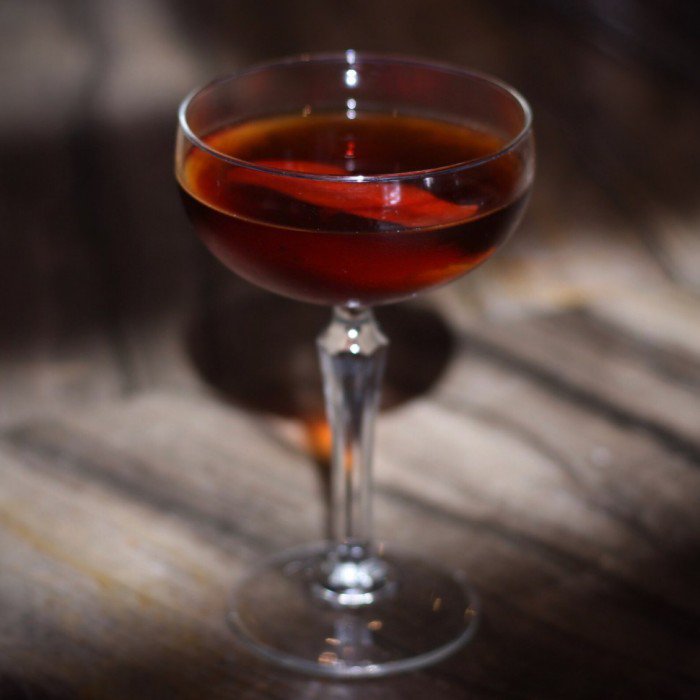
The Jimmy Conway is a sophisticated cocktail that combines smooth Irish whiskey with a hint of sweet vermouth and a splash of aromatic bitters, creating a rich and balanced flavor profile. Garnished with a twist of lemon peel, this drink pays homage to classic cocktail traditions while offering a modern twist that’s perfect for any occasion. Enjoy it neat or on the rocks for a refreshing sip that evokes a sense of elegance and warmth.
Jack's Vanilla Coke
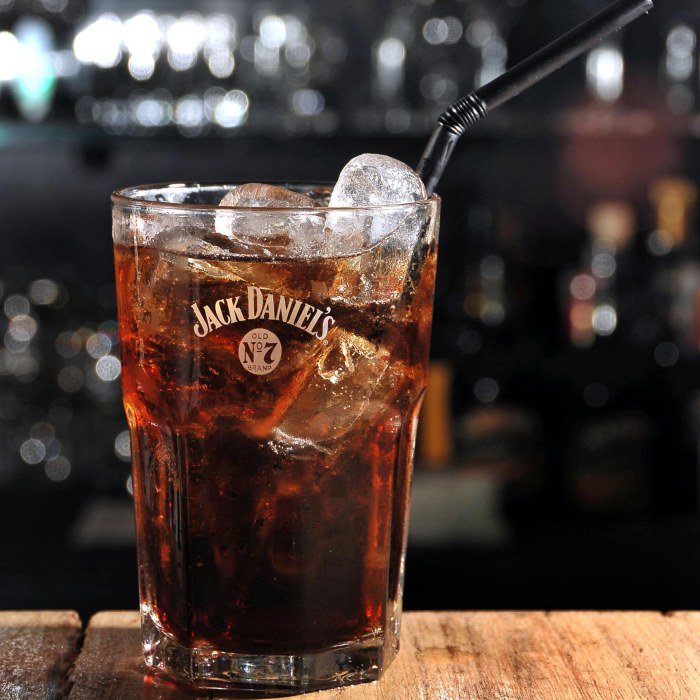
Jack's Vanilla Coke is a delightful twist on a classic favorite, blending smooth bourbon with rich vanilla and a splash of cola for a refreshing finish. Garnished with a twist of lemon, this cocktail offers a perfect balance of sweetness and warmth, making it an ideal choice for any occasion. Enjoy it over ice for a satisfying sip that transports you to a laid-back summer evening.
Owen's Grandmother's Revenge
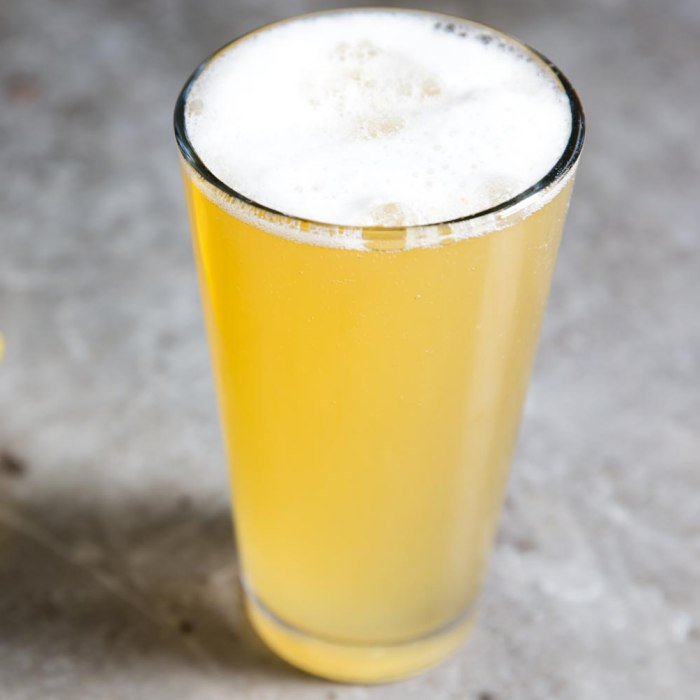
Owen's Grandmother's Revenge is a bold and spirited cocktail that combines the warmth of spiced rum with the tang of fresh citrus and a hint of sweetness from homemade grenadine. This vibrant drink is garnished with a twist of orange and a cherry, making it a delightful tribute to the fiery yet loving nature of grandmothers everywhere. Perfect for those who appreciate a balance of flavors with a kick, it's sure to leave a lasting impression.
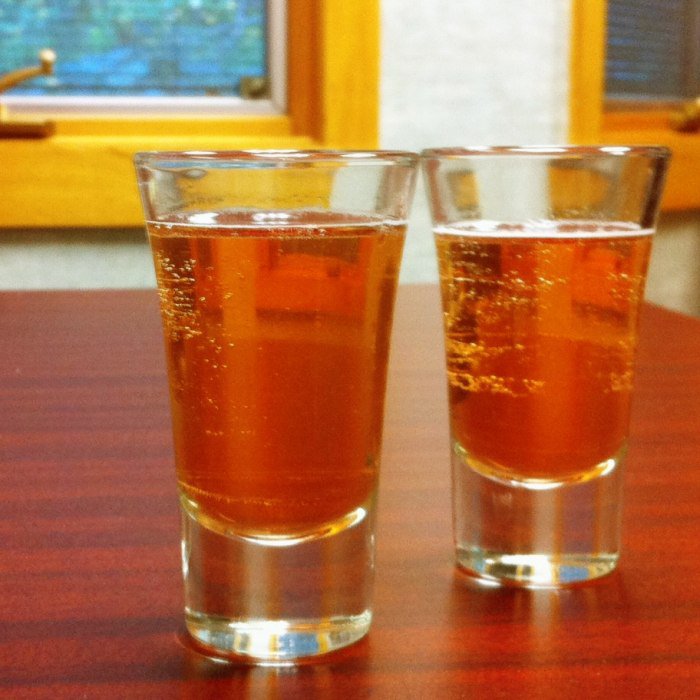
Damned if you do
The "Damned if You Do" cocktail is a tantalizing blend of gin, elderflower liqueur, and fresh lemon juice, creating a refreshing yet complex flavor profile. Garnished with a sprig of mint and a twist of lemon peel, this drink strikes a perfect balance between sweet and tart, making it an irresistible choice for any occasion. Its intriguing name hints at the delightful indulgence it offers, leaving you wanting more.
Other brunch gatherings Cocktails
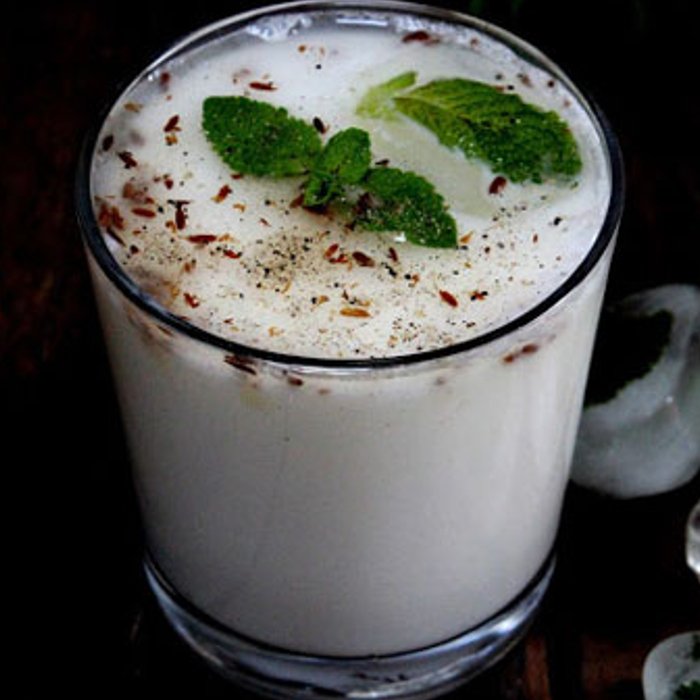
Yoghurt Cooler
The Yoghurt Cooler is a refreshing cocktail that combines creamy yogurt with zesty citrus and a hint of sweetness, creating a delightful balance of flavors. Served over ice and garnished with fresh mint or fruit, this drink is perfect for warm days or as a unique addition to any gathering. Its smooth texture and vibrant taste make it a standout choice for those looking to indulge in something both light and satisfying.
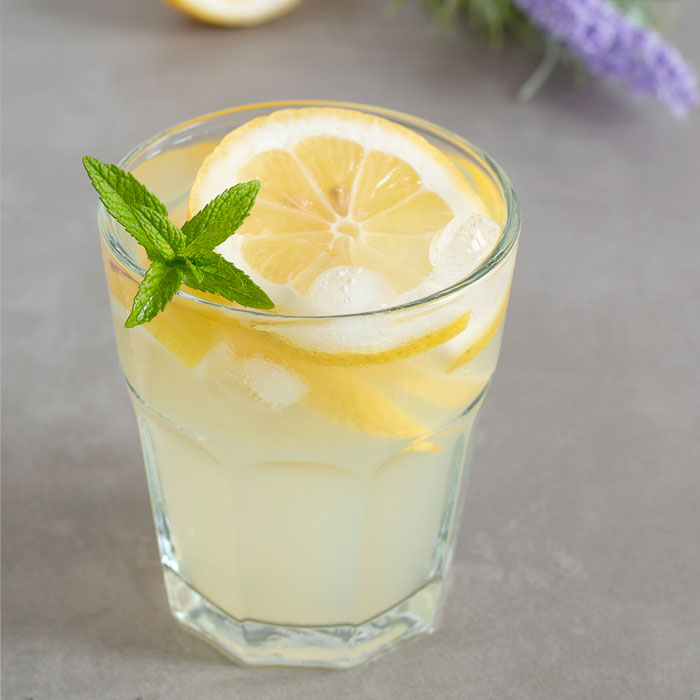
Vodka Lemon
Vodka Lemon is a refreshing cocktail that combines smooth vodka with zesty lemon juice, creating a perfect balance of tartness and sweetness. Often served over ice, it can be garnished with a lemon slice or twist for an extra burst of citrus flavor. This simple yet invigorating drink is ideal for warm days or casual gatherings.
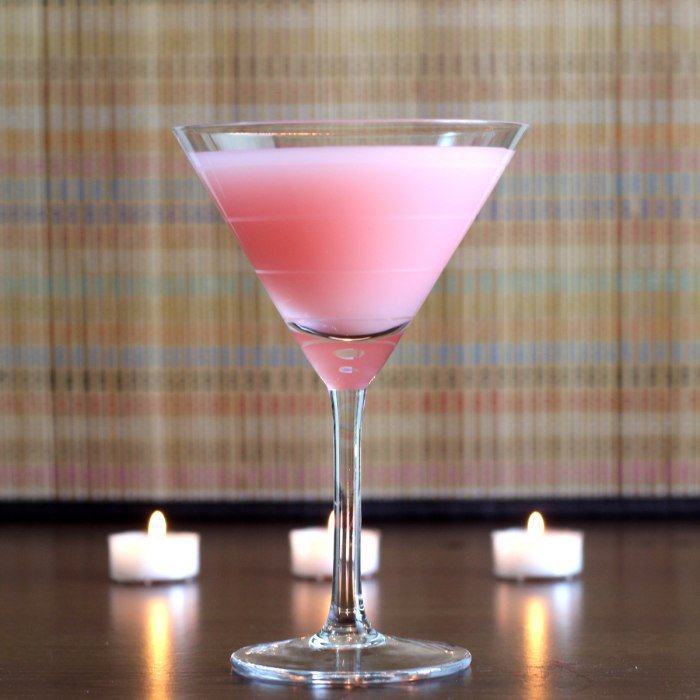
Ace
The Ace cocktail is a refreshing blend of gin, elderflower liqueur, and fresh lemon juice, creating a vibrant and zesty flavor profile. Garnished with a sprig of mint and a twist of lemon peel, it offers a delightful balance of sweetness and tartness, making it the perfect drink for any occasion. Enjoy it chilled to elevate your spirits!
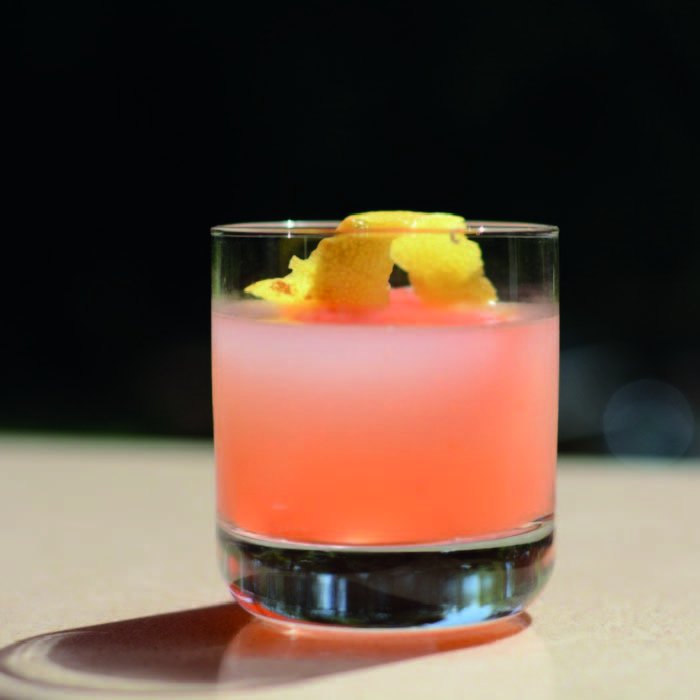
Bumble Bee
The Bumble Bee is a delightful cocktail that combines the sweetness of honey with the bright flavors of fresh citrus. Typically made with gin, lemon juice, and honey syrup, it offers a refreshing balance of tart and sweet, making it a perfect choice for warm evenings. Garnished with a lemon twist, this drink is as visually appealing as it is delicious.
Similar Flavor Profiles
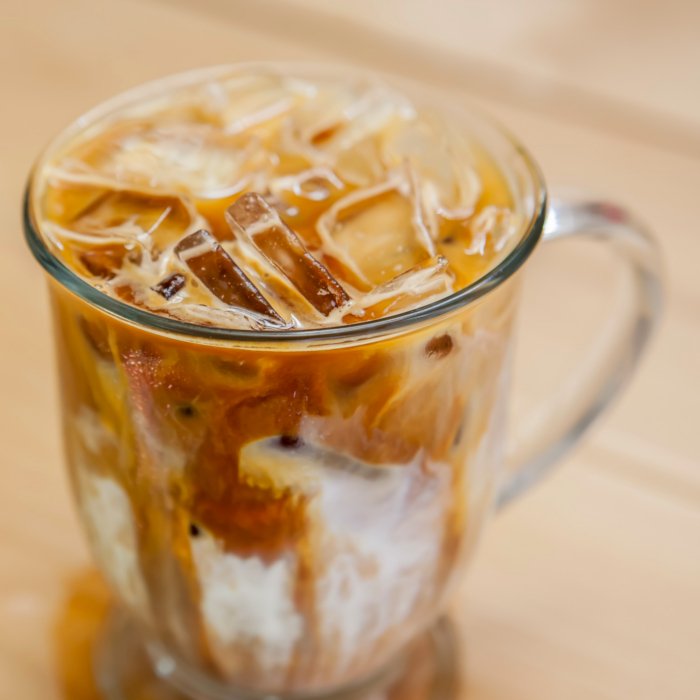
Iced Coffee
Iced Coffee is a refreshing beverage that combines rich, brewed coffee with ice, creating a chilled delight perfect for warm days. Often enhanced with milk, cream, or flavored syrups, it offers a smooth balance of bold coffee flavors and creamy sweetness. Served in a tall glass, it’s an invigorating pick-me-up that can be enjoyed any time of day.
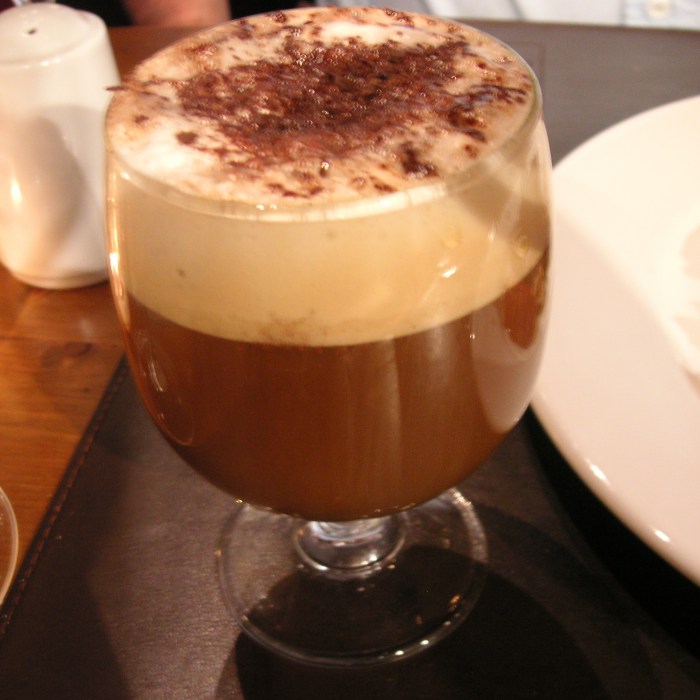
Hot Creamy Bush
The Hot Creamy Bush is a delightful cocktail that combines rich, velvety textures with a hint of warmth, making it the perfect indulgence for cozy evenings. This unique blend features a harmonious mix of creamy liqueurs, spices, and a touch of heat, tantalizing the palate with every sip. Garnished with a sprinkle of cocoa or cinnamon, it's a decadent treat that promises to warm both body and spirit.
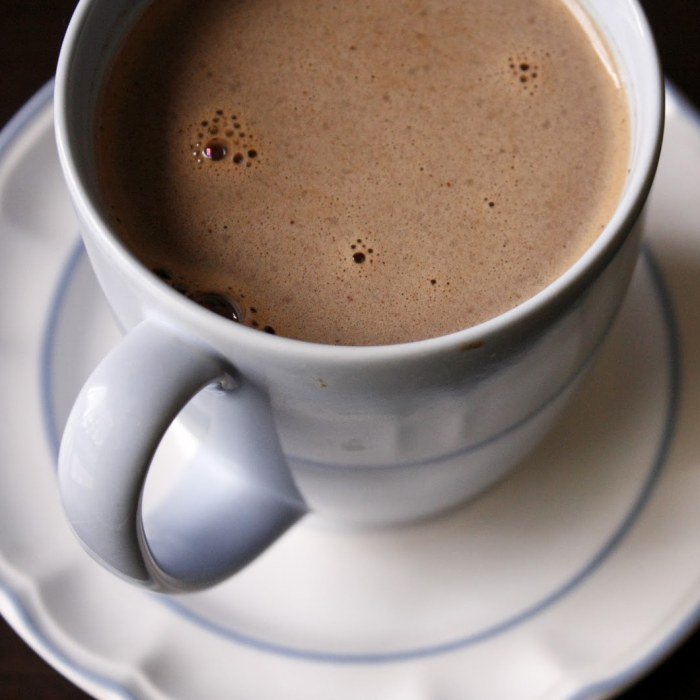
Microwave Hot Cocoa
Microwave Hot Cocoa is a cozy, indulgent drink that combines rich cocoa powder, milk, and a touch of sugar, all effortlessly prepared in the microwave. Topped with fluffy marshmallows or whipped cream, this warm treat is perfect for chilly evenings, offering a delightful balance of sweetness and warmth in every sip. Enjoy it as a comforting pick-me-up or a festive holiday favorite!
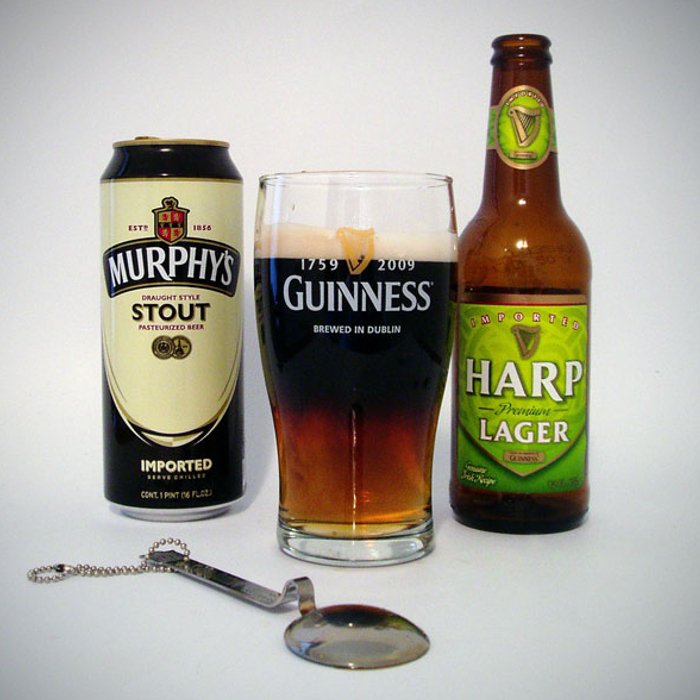
Black & Tan
The Black & Tan is a classic layered beer cocktail that combines a pale ale or lager with a rich stout, typically Guinness. The two beers are poured carefully to create a striking visual contrast, with the lighter beer sitting beneath the dark stout. This refreshing drink offers a harmonious blend of flavors, balancing the crispness of the ale with the smooth, roasted notes of the stout.
Advertisement