Cocktail
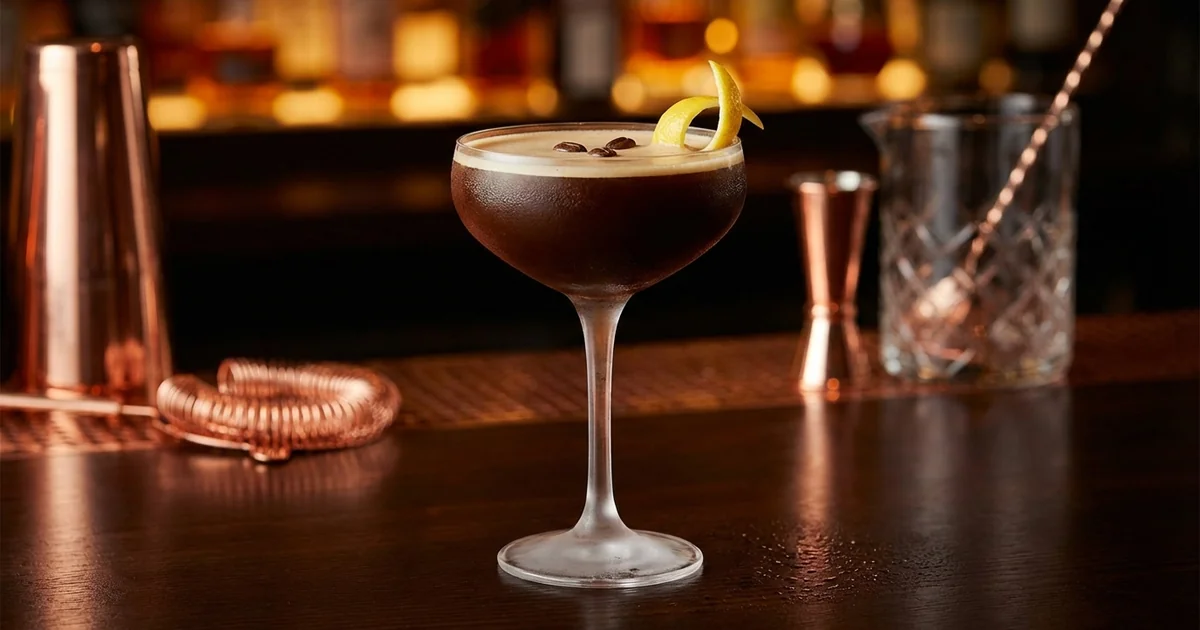
Espresso Martini
The Espresso Martini is a sophisticated cocktail that combines the rich flavors of freshly brewed espresso with vodka and coffee liqueur, creating a delightful balance of caffeine and indulgence. Often garnished with coffee beans, this stylish drink is perfect for those seeking a pick-me-up with a touch of elegance, making it a popular choice for after-dinner enjoyment.
- rich
- bitter
- smooth
- coffee
- Prep Time
- 5 min
- Glass
- Cocktail glass
- Difficulty
- Intermediate
- ABV
- 22%
- Yields
- 1 serving
The Espresso Martini is a cocktail built on vodka, celebrated for its rich and bitter character — a consistently top-searched after dinner. Whether you're after a reliable after-dinner drinks option or simply want to master a classic, this 5-minute recipe is straightforward enough for home bars yet refined enough to impress. Perfect if you've been searching for the best cocktail party.
Key Takeaways
What you’ll learn
- The Espresso Martini was invented by legendary bartender Dick Bradsell in 1983 at Frederick's Club in Soho, London.
- Fresh espresso (within 20 minutes of brewing) and vigorous 15-20 second shaking are essential for the signature foam layer.
- The classic recipe uses 2 oz vodka, 1 oz coffee liqueur, 1 oz fresh espresso, and 0.5 oz simple syrup.
- You can make excellent versions without an espresso machine using a Moka pot, AeroPress, or quality cold brew concentrate.
- Popular variations include Tequila, Baileys, Salted Caramel, and Vanilla — all built on the same vodka-espresso-liqueur scaffold.
Advertisement
Ingredients
- Serves
- 1 serving
- Glass
- Cocktail glass
- Prep
- 5 min
- 5 clVodka
- 1 clKahlua
- 1 dashSugar syrup
Method
Preparation
- 01
Pour ingredients into shaker filled with ice, shake vigorously, and strain into chilled martini glass
Origin
History & Origins
In 1983, a young model walked into Fred's Club in London's Soho district and asked legendary bartender Dick Bradsell for a drink that would "wake me up, then mess me up." Bradsell, known for his innovative approach to mixology, grabbed vodka, coffee liqueur, sugar, and a fresh shot of espresso from the bar's newly installed coffee machine. The result was what he initially called the "Vodka Espresso," which later became the modern Espresso Martini we know today.
The drink experienced a renaissance in the 2010s and has since exploded in popularity. According to cocktail industry reports, Espresso Martini orders have surged over 300% in the past five years, making it one of the fastest-growing cocktails globally. Its appeal lies in the perfect marriage of sophistication and indulgence — combining coffee culture with cocktail culture in a single, photogenic glass.
According to cocktail industry reports, Espresso Martini orders have surged over 300% in the past five years, making it one of the fastest-growing cocktails globally.
The signature foam layer that crowns a properly made Espresso Martini is more than aesthetic. When you shake fresh espresso vigorously with ice, the agitation emulsifies the natural coffee oils. Combined with the CO₂ still present in freshly brewed espresso, those oils create the micro-bubbles that form the velvety crema on top. This is why fresh espresso is critical — the oils and gases dissipate within 20–30 minutes of brewing.
Advertisement
Bartender’s Insight
Pro Tips
Cool your espresso for 2-3 minutes before shaking. Hot espresso melts the ice too quickly and dilutes the drink.
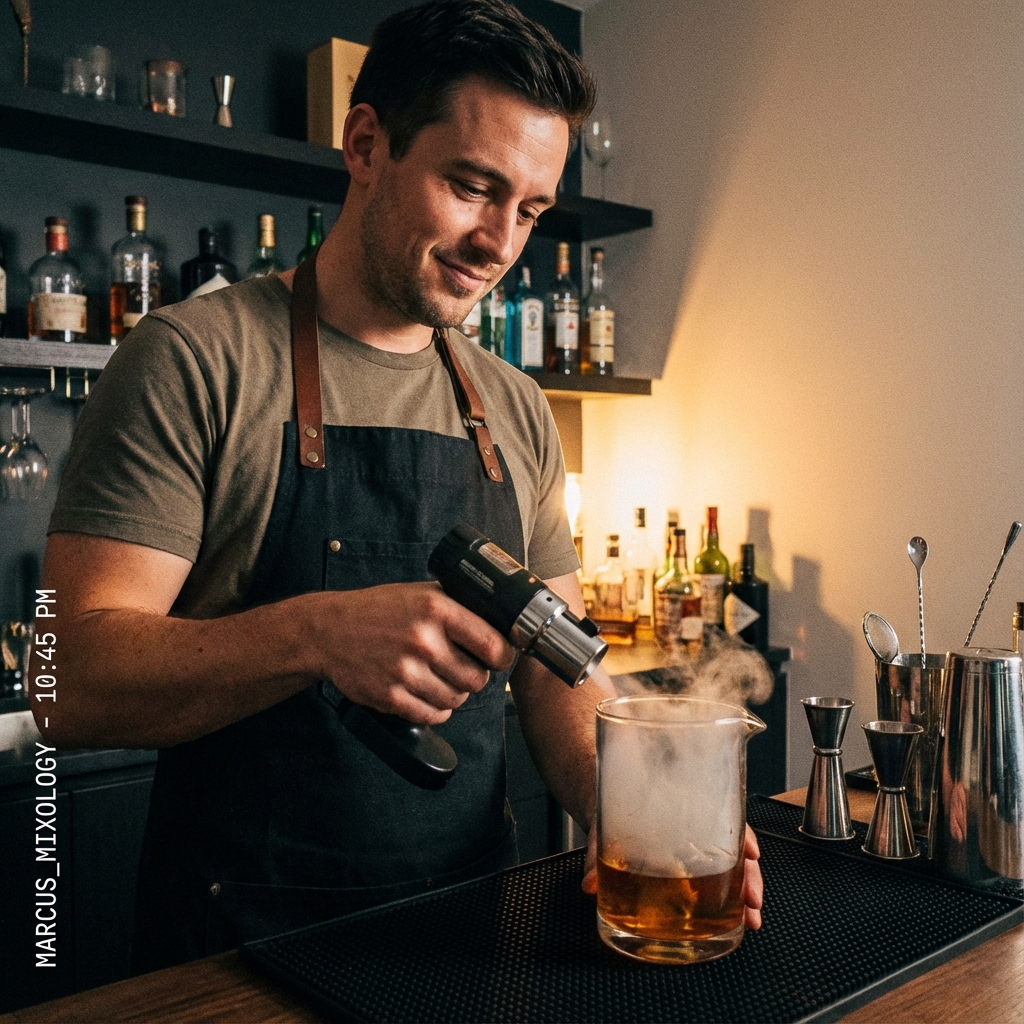
From Marcus
Shake hard for at least 15-20 seconds — until the shaker frosts over and the sound shifts from sloshing to a thicker, muted note. Your arms should burn.
Double strain through both a Hawthorne and a fine-mesh strainer for the silkiest texture and cleanest foam.
Chill your coupe in the freezer for at least 15 minutes before serving — warm glass collapses the foam.
For a foam booster, add 0.5 oz of egg white or aquafaba and dry-shake for 10 seconds before adding ice. Not traditional, but bulletproof.
At the Table
Perfect Pairings
Beyond the Classic
Variations
Tequila Espresso Martini
Replace vodka with reposado tequila for a cocktail with more character. The subtle oak and agave notes complement coffee beautifully. Use agave syrup instead of simple syrup. (2 oz reposado tequila, 1 oz Kahlúa, 1 oz fresh espresso, 0.5 oz agave syrup.)
Baileys Espresso Martini
A creamier dessert variation. Reduce the vodka, swap part of the coffee liqueur for Baileys, and skip the simple syrup entirely. (1.5 oz vodka, 1 oz Baileys, 1 oz fresh espresso, 0.5 oz coffee liqueur.)
Salted Caramel Espresso Martini
For a sweet-tooth twist, replace the simple syrup with salted caramel syrup and finish with a pinch of sea salt. Garnish with a caramel drizzle on the foam. (2 oz vodka, 1 oz coffee liqueur, 1 oz fresh espresso, 0.5 oz salted caramel syrup.)
Vanilla Espresso Martini
Subtle and sophisticated — vanilla rounds out coffee's bitter edge. Use vanilla vodka or add a 0.25 oz dash of vanilla syrup to regular vodka. Garnish with a vanilla bean. (2 oz vanilla vodka, 1 oz coffee liqueur, 1 oz fresh espresso, 0.25 oz simple syrup.)
Watch
See it in action
Questions
Frequently Asked
- The Espresso Martini has a flavor profile that is rich, bitter, smooth, coffee. It is crafted to balance these characteristics into a harmonious, satisfying drink that appeals to a wide range of palates.
- The Espresso Martini is ideal for after-dinner drinks, cocktail parties, brunch gatherings. Its flavor profile and presentation make it a versatile choice that works equally well as a social cocktail or a relaxed evening drink.
- Yes, there are several ways to adapt a Espresso Martini. If you cannot source Vodka, look for a similar alternative that matches its flavor profile. Keep in mind that substitutions may alter the balance of the cocktail, so start with a smaller quantity and adjust to taste. The variations section above lists popular alternatives bartenders use.
- Some of the most popular Espresso Martini variations include Tequila Espresso Martini, Baileys Espresso Martini, Salted Caramel Espresso Martini. Each variation puts a unique twist on the original recipe while retaining the essential character of the classic cocktail.
- The Espresso Martini is traditionally served in a Cocktail glass. Using the right glassware is important because it affects the aroma, temperature retention, and overall drinking experience. If you do not have a Cocktail glass on hand, a similar shaped glass will work.
- Yes, a mocktail version of the Espresso Martini is possible. Replace the base spirit with a non-alcoholic spirit alternative (there are many quality options available) and keep all other components the same. The result will capture much of the original's flavor profile while being suitable for guests who prefer alcohol-free options.
Other Vodka Cocktails
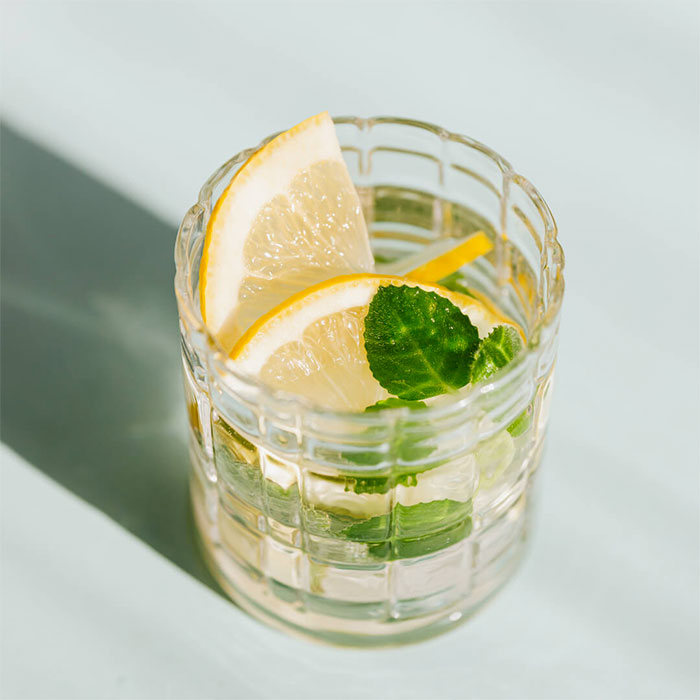
Vodka Tonic
The Vodka Tonic is a refreshing and simple cocktail that combines smooth vodka with crisp tonic water, creating a perfect balance of flavors. Often garnished with a wedge of lime or lemon, this drink is a popular choice for those seeking a light and invigorating beverage. Its clean taste and versatility make it a staple at bars and gatherings alike.
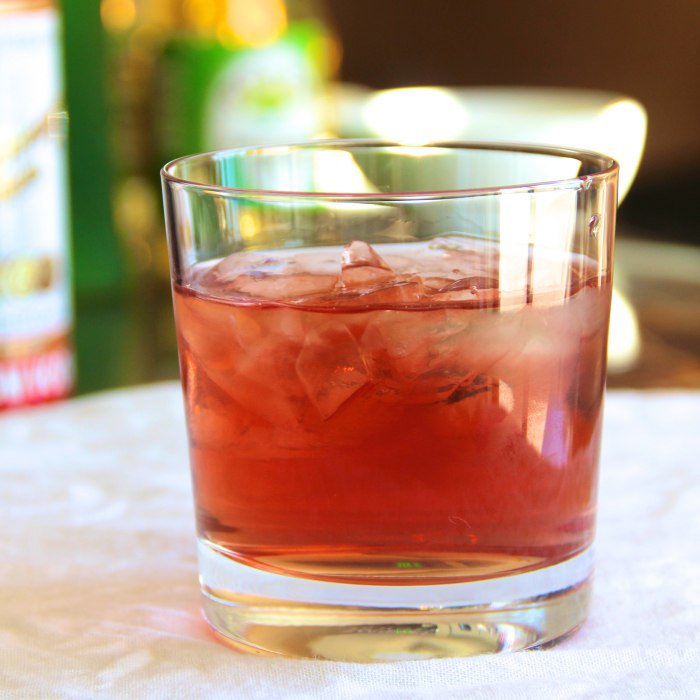
Kool-Aid Shot
The Kool-Aid Shot is a vibrant and playful cocktail that captures the nostalgic flavors of the classic childhood drink. This fun, colorful shot combines fruity flavored Kool-Aid with a splash of vodka or another spirit, creating a sweet and refreshing burst of flavor that's perfect for parties and celebrations. Its eye-catching appearance and delicious taste make it a favorite among those looking to relive their youthful indulgences.

Black Russian
The Black Russian is a classic cocktail that combines the rich flavors of vodka and coffee liqueur, typically Kahlúa. Served over ice in a lowball glass, this drink offers a smooth, robust taste with a hint of sweetness, making it a favorite for coffee lovers. Its simple yet sophisticated profile makes it a timeless choice for any occasion.
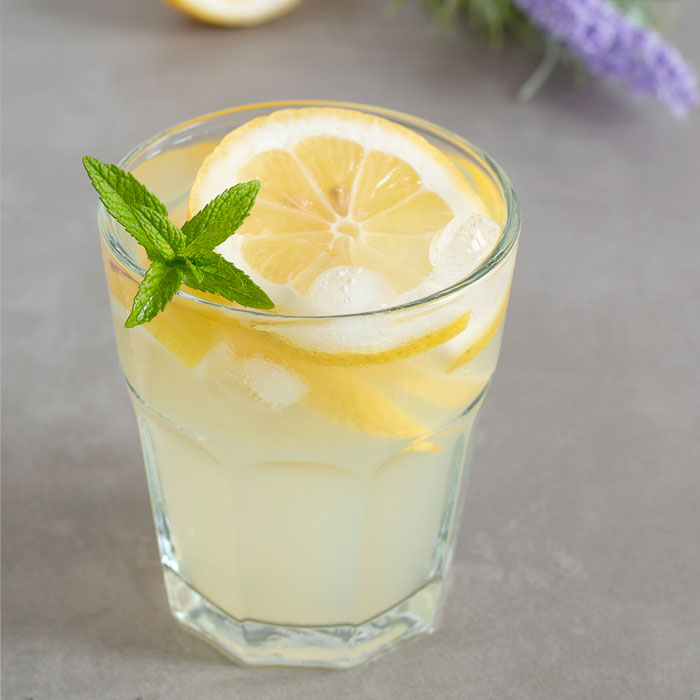
Vodka Lemon
Vodka Lemon is a refreshing cocktail that combines smooth vodka with zesty lemon juice, creating a perfect balance of tartness and sweetness. Often served over ice, it can be garnished with a lemon slice or twist for an extra burst of citrus flavor. This simple yet invigorating drink is ideal for warm days or casual gatherings.
Other after-dinner drinks Cocktails
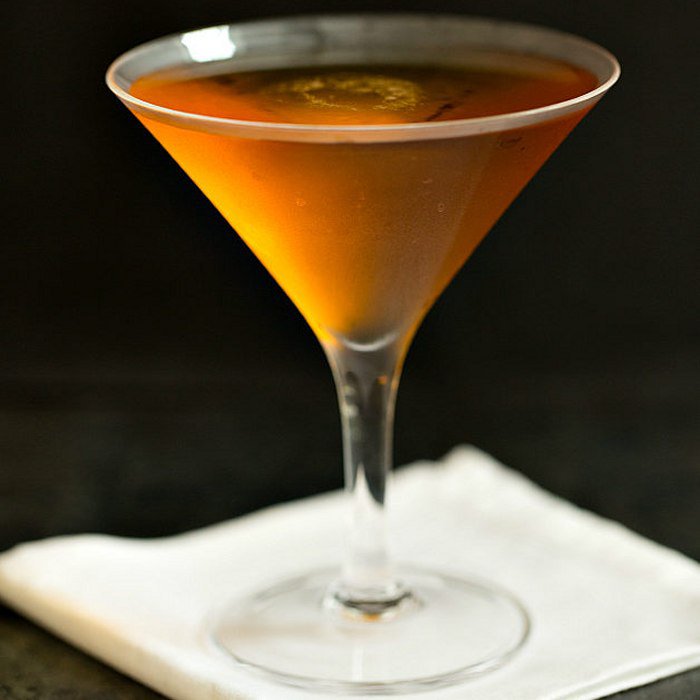
Stinger
The Stinger is a classic cocktail that combines the smoothness of brandy with the refreshing bite of white crème de menthe. Served chilled, this elegant drink offers a delightful balance of sweetness and herbal notes, making it a perfect after-dinner treat. Its distinctive flavor profile and appealing green hue make it a memorable choice for cocktail enthusiasts.
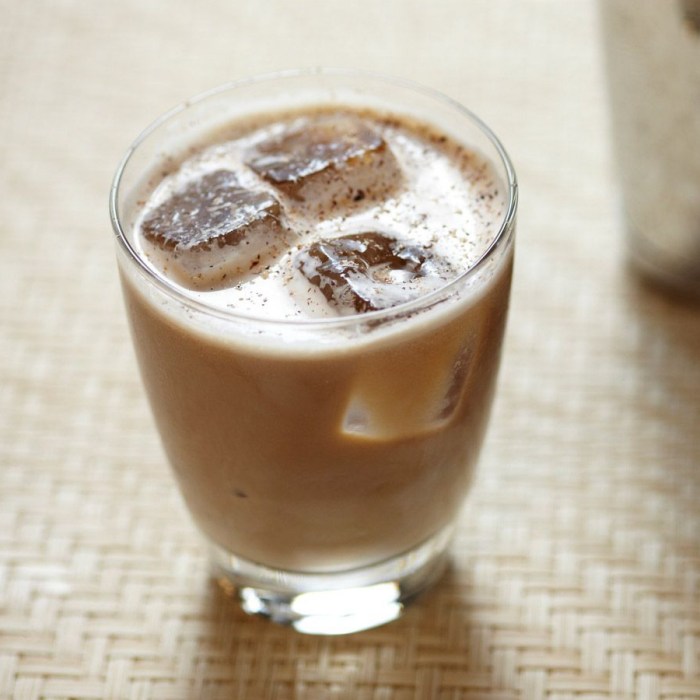
Coffee-Vodka
The Coffee-Vodka cocktail is a delightful blend that combines the rich, bold flavors of freshly brewed coffee with the smoothness of premium vodka. This invigorating drink is perfect for those who appreciate the energizing kick of caffeine paired with a spirited twist, making it an ideal choice for both daytime brunches and evening gatherings. Served over ice or shaken with a touch of cream, it offers a sophisticated yet approachable flavor profile that coffee lovers will adore.
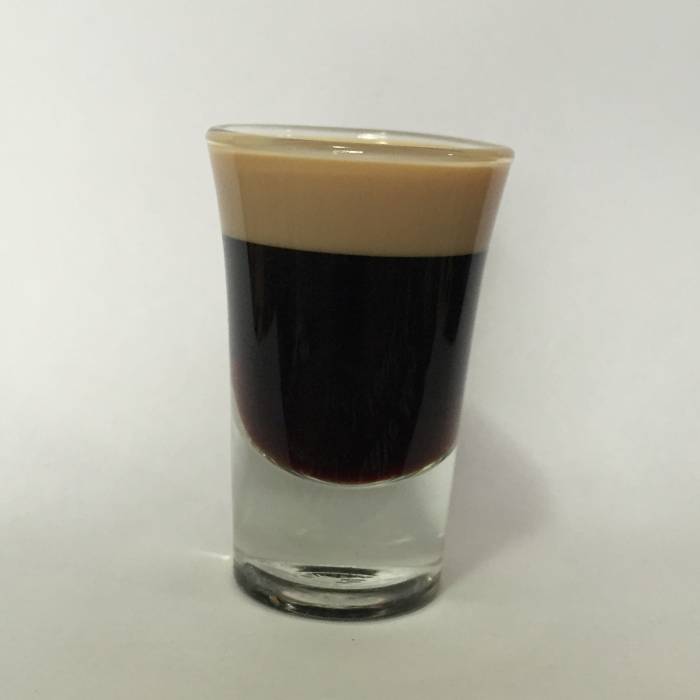
Baby Guinness
The Baby Guinness is a delightful shot that resembles a miniature pint of stout, featuring a rich layer of coffee liqueur, typically Kahlúa, topped with a creamy layer of Irish cream, such as Baileys. This visually appealing drink combines the deep, sweet flavors of coffee with the smoothness of cream, making it a popular choice for both casual gatherings and celebratory toasts. Its playful appearance and delicious taste make it a favorite among cocktail enthusiasts.
Angelica Liqueur
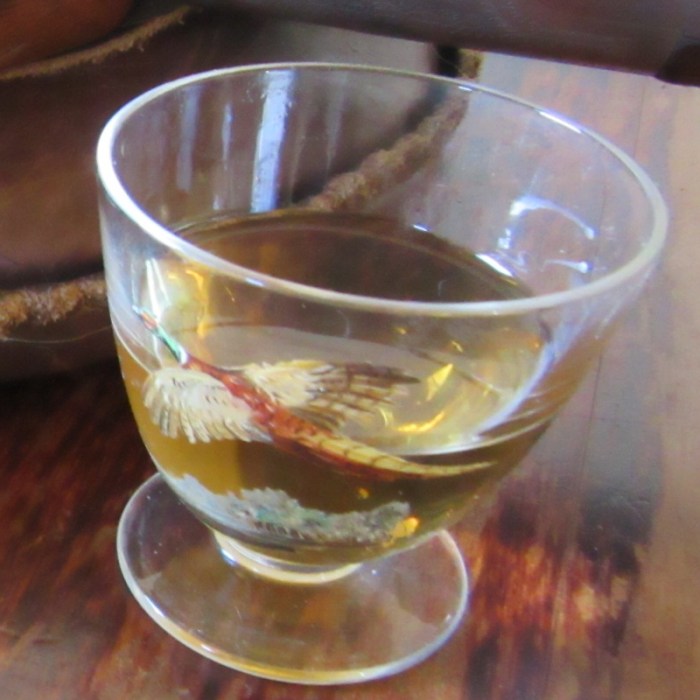
Angelica Liqueur is a fragrant and herbal spirit crafted from the roots and seeds of the angelica plant, known for its complex flavor profile that combines earthy, floral, and slightly sweet notes. Often enjoyed as a digestif or used as a unique ingredient in cocktails, this liqueur adds depth and a touch of botanical elegance to any drink. Its distinctive aroma and taste make it a favorite among mixologists and herbal liqueur enthusiasts alike.
Similar Flavor Profiles
Black Russian
The Black Russian is a classic cocktail that combines the rich flavors of vodka and coffee liqueur, typically Kahlúa. Served over ice in a lowball glass, this drink offers a smooth, robust taste with a hint of sweetness, making it a favorite for coffee lovers. Its simple yet sophisticated profile makes it a timeless choice for any occasion.
Manhattan
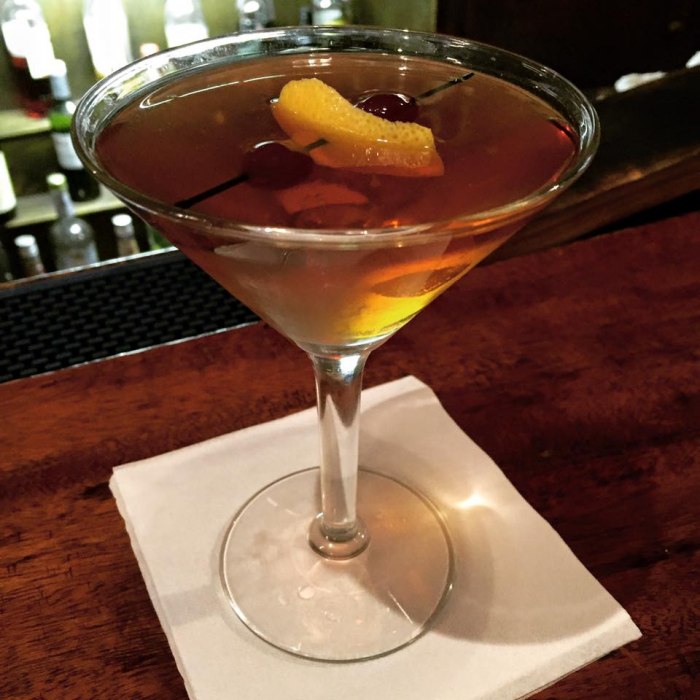
The Manhattan is a classic cocktail that combines whiskey, sweet vermouth, and aromatic bitters, creating a rich and sophisticated flavor profile. Traditionally served in a chilled coupe glass and garnished with a maraschino cherry or a twist of lemon, it embodies the elegance of New York City's cocktail culture. This timeless drink is perfect for those who appreciate a smooth and balanced libation.
Coffee-Vodka
The Coffee-Vodka cocktail is a delightful blend that combines the rich, bold flavors of freshly brewed coffee with the smoothness of premium vodka. This invigorating drink is perfect for those who appreciate the energizing kick of caffeine paired with a spirited twist, making it an ideal choice for both daytime brunches and evening gatherings. Served over ice or shaken with a touch of cream, it offers a sophisticated yet approachable flavor profile that coffee lovers will adore.
Irish Russian
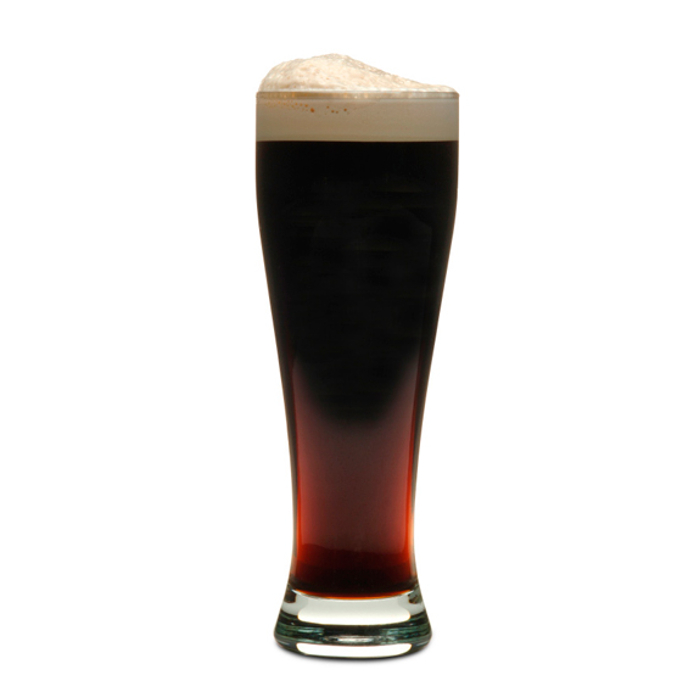
The Irish Russian is a delightful fusion of Irish cream liqueur and vodka, creating a creamy and smooth cocktail with a hint of coffee flavor. This indulgent drink is often served over ice, making it a perfect choice for those who enjoy a rich and satisfying beverage with a touch of sweetness. Ideal for sipping after dinner or as a dessert cocktail, the Irish Russian is a comforting treat that combines the best of both worlds.
Advertisement