Ordinary Drink
Bloody Mary
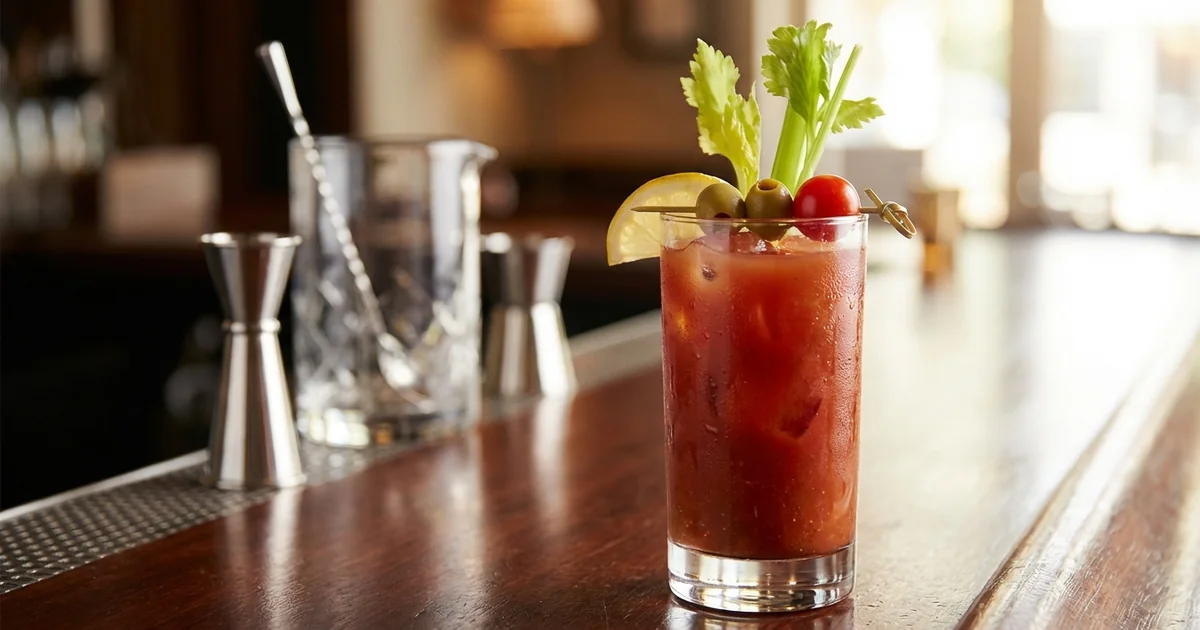
The Bloody Mary is a classic cocktail known for its bold and savory flavor profile, typically made with vodka, tomato juice, and a blend of spices and seasonings, including Worcestershire sauce, hot sauce, and lemon juice. Often garnished with a variety of accompaniments such as celery, olives, or pickles, it is celebrated for its versatility and is a popular choice for brunch or as a hangover remedy. With its rich taste and vibrant red hue, the Bloody Mary is both a
- spicy
- savory
- tangy
- umami

- Prep Time
- 5 min
- Glass
- Old-fashioned glass
- Difficulty
- Easy
- ABV
- 10%
- Yields
- 1 serving
The Bloody Mary is a ordinary drink built on vodka, celebrated for its spicy and savory character — a consistently top-searched brunch. Whether you're after a reliable brunch gatherings option or simply want to master a classic, this 5-minute recipe is straightforward enough for home bars yet refined enough to impress. Perfect if you've been searching for the best hangover cure.
Key Takeaways
What you’ll learn
- The Bloody Mary combines vodka, tomato juice, and savory seasonings into the world's most customizable brunch cocktail.
- Fernand Petiot invented the drink in 1920s Paris at Harry's New York Bar; he refined it at New York's King Cole Bar in the 1930s by adding Worcestershire sauce, lemon juice, and spices.
- Worcestershire sauce, horseradish, and hot sauce form the holy trinity of Bloody Mary seasoning — none should overpower the others.
- Stir gently with a bar spoon to combine; shaking creates unwanted foam and an unpleasant texture.
- Garnishes range from the classic celery stalk to extravagant combinations of bacon, shrimp, pickles, and sliders — all legitimate expressions of brunch creativity.
Advertisement
Ingredients
- Serves
- 1 serving
- Glass
- Old-fashioned glass
- Prep
- 5 min
- 1 1/2 ozVodka
- 3 ozTomato juice
- 1 dashLemon juice
- 1/2 tspWorcestershire sauce
- 2-3 dropsTabasco sauce
- 1 wedgeLime
Method
Preparation
- 01
Stirring gently, pour all ingredients into highball glass. Garnish.
Origin
History & Origins
When it comes to brunch cocktails, nothing commands the table quite like a well-crafted Bloody Mary. This savory, spicy, and utterly satisfying drink has become synonymous with lazy weekend mornings and the age-old quest for the perfect hangover remedy. Its complex savory profile and endless customization possibilities set it apart from every other cocktail category.
The drink was created in the 1920s at Harry's New York Bar in Paris by American bartender Fernand Petiot. During Prohibition many American bartenders had fled to Europe, where they continued experimenting with cocktails. Petiot's original version was simply vodka and tomato juice — a far cry from the complex concoction we know today. The drink's name has several competing origin stories: some claim it references Queen Mary I of England, known as "Bloody Mary" for her persecution of Protestants; others suggest it was named after a waitress named Mary at a Chicago bar called the Bucket of Blood.
The drink's name has several competing origin stories: some claim it references Queen Mary I of England, known as "Bloody Mary" for her persecution of Protestants; others suggest it was named after a waitress named Mary at a Chicago bar called the Bucket of Blood.
When Petiot moved to New York's King Cole Bar at the St. Regis Hotel in the 1930s, he brought his creation with him. American palates demanded more flavor, so Petiot added Worcestershire sauce, lemon juice, cayenne pepper, and salt — the transformation that created the Bloody Mary we recognize today. The drink gained massive popularity in post-Prohibition America and became a brunch staple by the 1950s. Its savory profile made it socially acceptable to drink in the morning, and the tomato juice's vitamin content provided convenient nutritional justification for early-day imbibing.
Advertisement
Bartender’s Insight
Pro Tips
Always use fresh lemon juice, not bottled — the brightness cuts through the richness of tomato juice in a way preserved juice cannot.
From Willow
Start conservatively with spices: you can always add more Worcestershire, horseradish, or hot sauce, but you cannot remove them once they're in the glass.
Stir gently with a bar spoon — vigorous stirring or shaking creates unwanted foam and breaks up the tomato juice's texture.
Make a large-batch mix the night before. The Bloody Mary's flavors improve dramatically over 4–24 hours as the seasonings meld; give the pitcher a good stir before pouring.
Rim the glass with celery salt (run a lemon wedge around the rim, then dip) for an instant flavor upgrade that pays dividends with every sip.
At the Table
Perfect Pairings
Beyond the Classic
Variations
Bloody Maria
Replace vodka with blanco or reposado tequila for a Mexican-inspired twist. The agave notes complement tomato juice beautifully; consider adding a pinch of cumin or a rim of Tajín for extra authenticity.
Red Snapper
Swap vodka for London Dry gin to create this sophisticated variation — actually one of the earliest versions served at the King Cole Bar. The botanical notes of gin add complexity and make the drink even more food-friendly.
Bloody Caesar
A Canadian icon that uses Clamato (tomato-clam juice blend) instead of plain tomato juice. The subtle briny oceanic flavor is transformative. Traditionally garnished with a celery salt rim and a celery stalk.
Green Mary
Use tomatillo juice or green tomato juice instead of red tomato juice for a unique variation. Add fresh cilantro, muddled jalapeño, and a splash of lime juice for a verdant, fresh take on the classic.
Questions
Frequently Asked
- The Bloody Mary has a flavor profile that is spicy, savory, tangy, umami. It is crafted to balance these characteristics into a harmonious, satisfying drink that appeals to a wide range of palates.
- The Bloody Mary is ideal for brunch gatherings, cocktail hours, holiday celebrations. Its flavor profile and presentation make it a versatile choice that works equally well as a social cocktail or a relaxed evening drink.
- Yes, there are several ways to adapt a Bloody Mary. If you cannot source Vodka, look for a similar alternative that matches its flavor profile. Keep in mind that substitutions may alter the balance of the cocktail, so start with a smaller quantity and adjust to taste. The variations section above lists popular alternatives bartenders use.
- Some of the most popular Bloody Mary variations include Bloody Maria, Red Snapper, Bloody Caesar. Each variation puts a unique twist on the original recipe while retaining the essential character of the classic cocktail.
- The Bloody Mary is traditionally served in a Old-fashioned glass. Using the right glassware is important because it affects the aroma, temperature retention, and overall drinking experience. If you do not have a Old-fashioned glass on hand, a similar shaped glass will work.
- Yes, a mocktail version of the Bloody Mary is possible. Replace the base spirit with a non-alcoholic spirit alternative (there are many quality options available) and keep all other components the same. The result will capture much of the original's flavor profile while being suitable for guests who prefer alcohol-free options.
Other Vodka Cocktails
Vodka Tonic
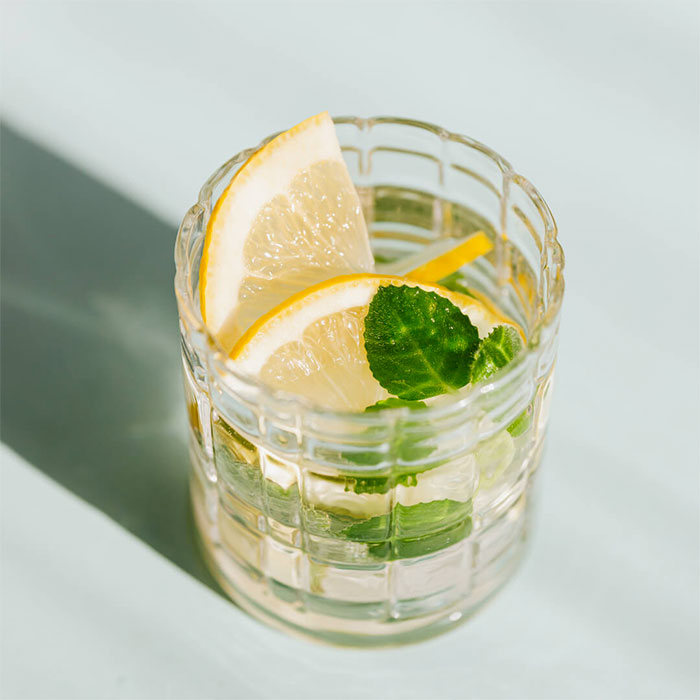
The Vodka Tonic is a refreshing and simple cocktail that combines smooth vodka with crisp tonic water, creating a perfect balance of flavors. Often garnished with a wedge of lime or lemon, this drink is a popular choice for those seeking a light and invigorating beverage. Its clean taste and versatility make it a staple at bars and gatherings alike.
Kool-Aid Shot
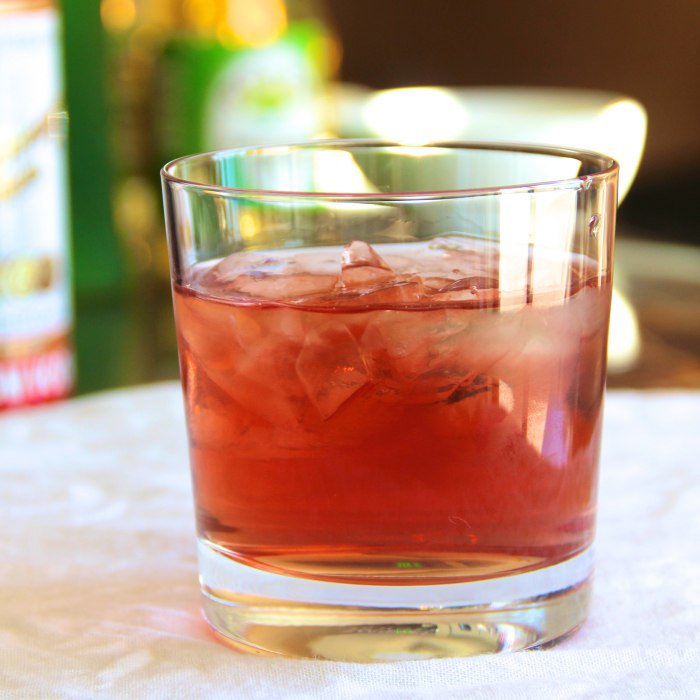
The Kool-Aid Shot is a vibrant and playful cocktail that captures the nostalgic flavors of the classic childhood drink. This fun, colorful shot combines fruity flavored Kool-Aid with a splash of vodka or another spirit, creating a sweet and refreshing burst of flavor that's perfect for parties and celebrations. Its eye-catching appearance and delicious taste make it a favorite among those looking to relive their youthful indulgences.

Black Russian
The Black Russian is a classic cocktail that combines the rich flavors of vodka and coffee liqueur, typically Kahlúa. Served over ice in a lowball glass, this drink offers a smooth, robust taste with a hint of sweetness, making it a favorite for coffee lovers. Its simple yet sophisticated profile makes it a timeless choice for any occasion.
Vodka Lemon
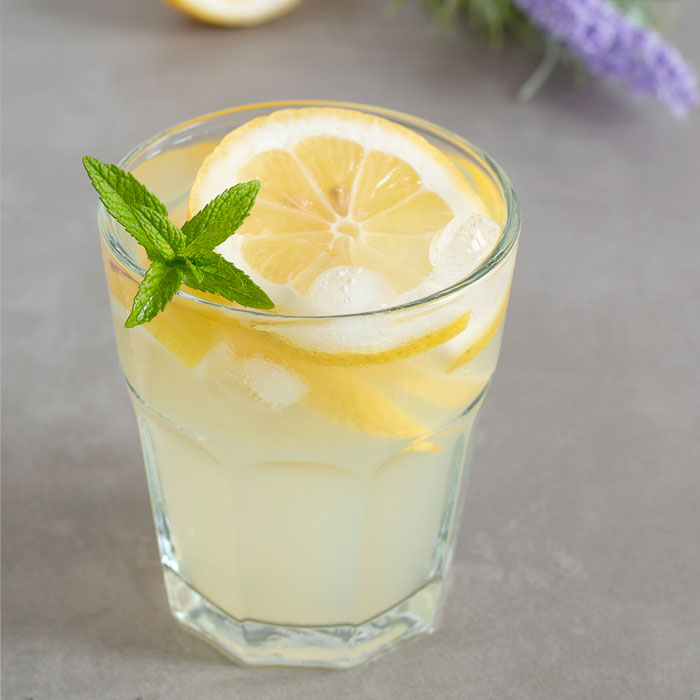
Vodka Lemon is a refreshing cocktail that combines smooth vodka with zesty lemon juice, creating a perfect balance of tartness and sweetness. Often served over ice, it can be garnished with a lemon slice or twist for an extra burst of citrus flavor. This simple yet invigorating drink is ideal for warm days or casual gatherings.
Other brunch gatherings Cocktails
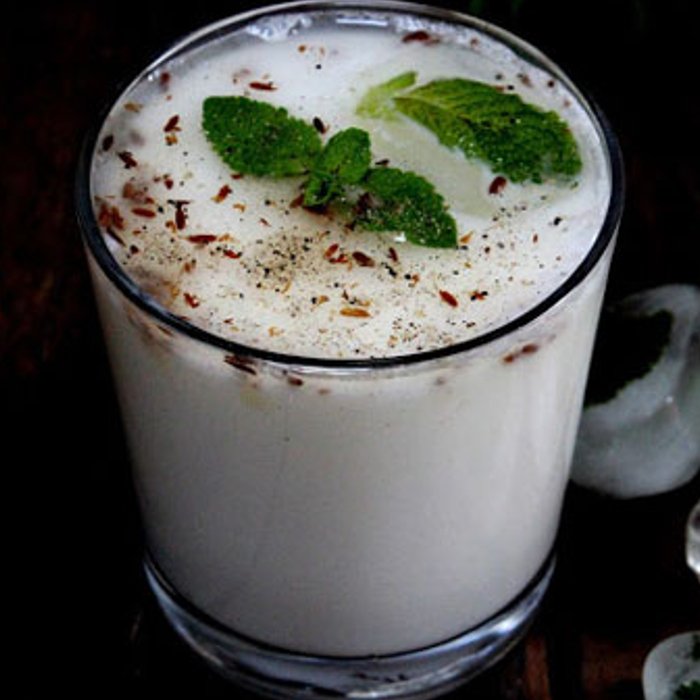
Yoghurt Cooler
The Yoghurt Cooler is a refreshing cocktail that combines creamy yogurt with zesty citrus and a hint of sweetness, creating a delightful balance of flavors. Served over ice and garnished with fresh mint or fruit, this drink is perfect for warm days or as a unique addition to any gathering. Its smooth texture and vibrant taste make it a standout choice for those looking to indulge in something both light and satisfying.
Vodka Lemon
Vodka Lemon is a refreshing cocktail that combines smooth vodka with zesty lemon juice, creating a perfect balance of tartness and sweetness. Often served over ice, it can be garnished with a lemon slice or twist for an extra burst of citrus flavor. This simple yet invigorating drink is ideal for warm days or casual gatherings.
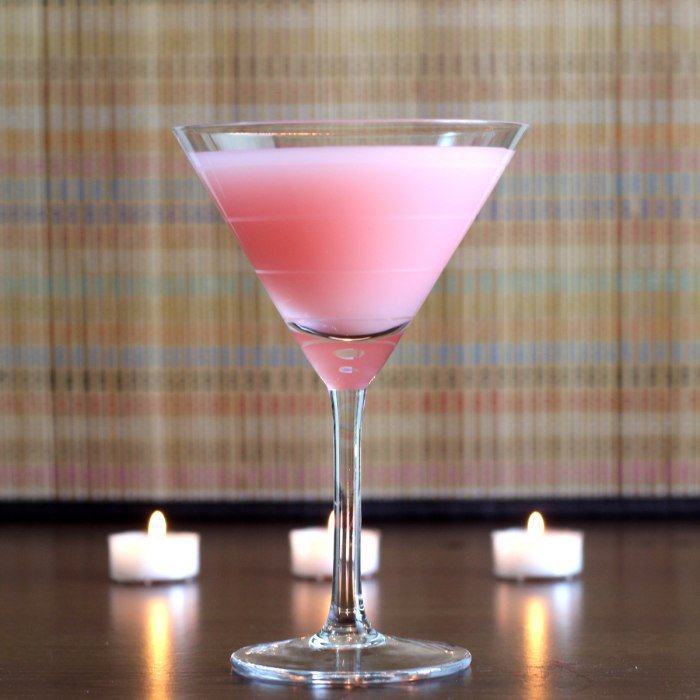
Ace
The Ace cocktail is a refreshing blend of gin, elderflower liqueur, and fresh lemon juice, creating a vibrant and zesty flavor profile. Garnished with a sprig of mint and a twist of lemon peel, it offers a delightful balance of sweetness and tartness, making it the perfect drink for any occasion. Enjoy it chilled to elevate your spirits!
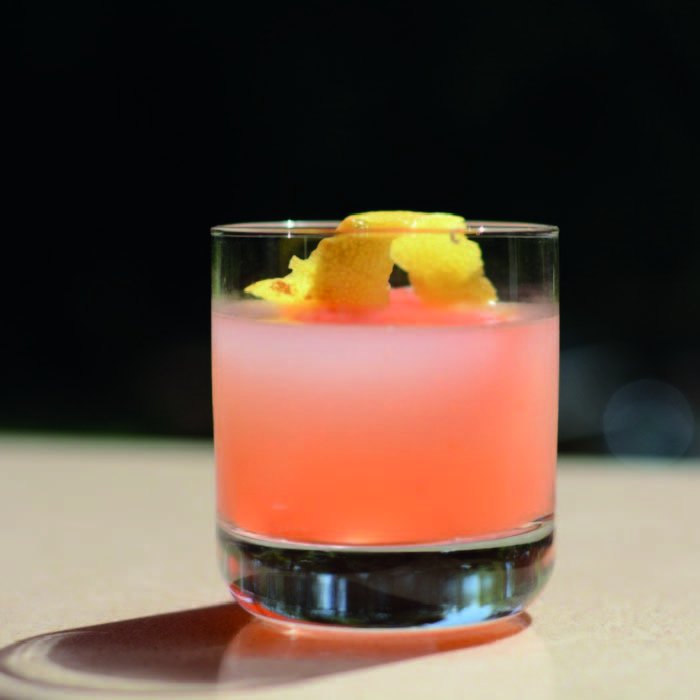
Bumble Bee
The Bumble Bee is a delightful cocktail that combines the sweetness of honey with the bright flavors of fresh citrus. Typically made with gin, lemon juice, and honey syrup, it offers a refreshing balance of tart and sweet, making it a perfect choice for warm evenings. Garnished with a lemon twist, this drink is as visually appealing as it is delicious.
Similar Flavor Profiles
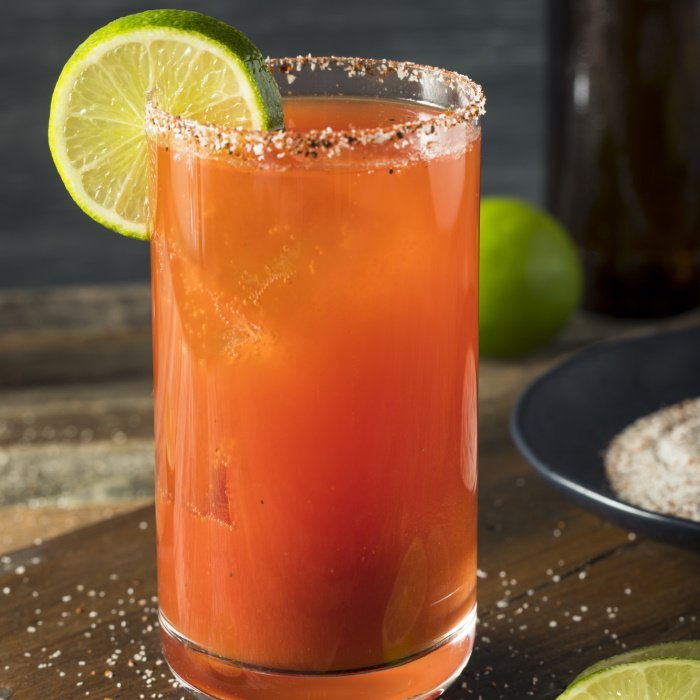
Michelada
The Michelada is a refreshing Mexican cocktail that combines beer with lime juice, assorted sauces, spices, and peppers, creating a savory and tangy drink. Often served in a glass rimmed with salt or chili powder, it's a popular choice for those looking to enjoy a flavorful twist on traditional beer. Perfect for warm days or as a remedy for a hangover, the Michelada is both invigorating and satisfying.
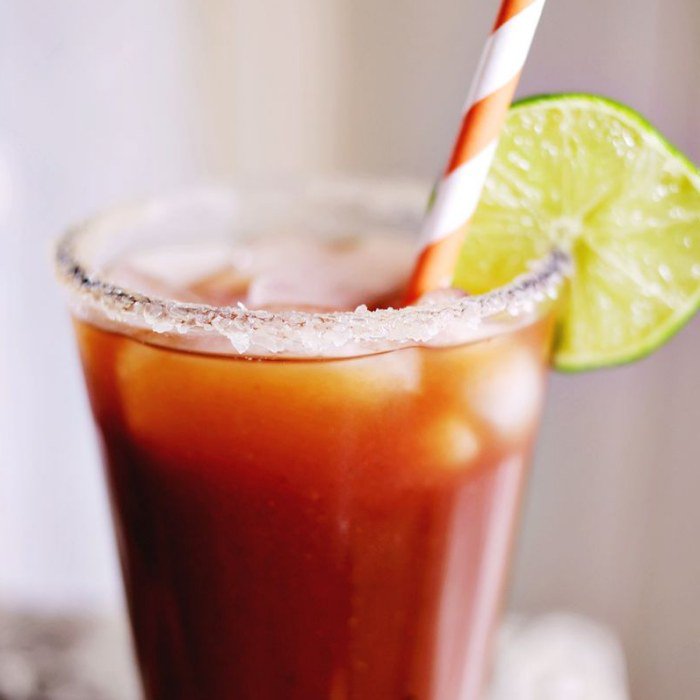
Tomato Tang
The Tomato Tang is a refreshing and savory cocktail that artfully blends ripe tomato juice with a hint of zesty lime, a splash of Worcestershire sauce, and a dash of hot sauce for an invigorating kick. Garnished with a sprig of fresh basil and a rim of sea salt, this unique drink offers a delightful twist on classic flavors, making it the perfect accompaniment to a sunny afternoon or a lively brunch.
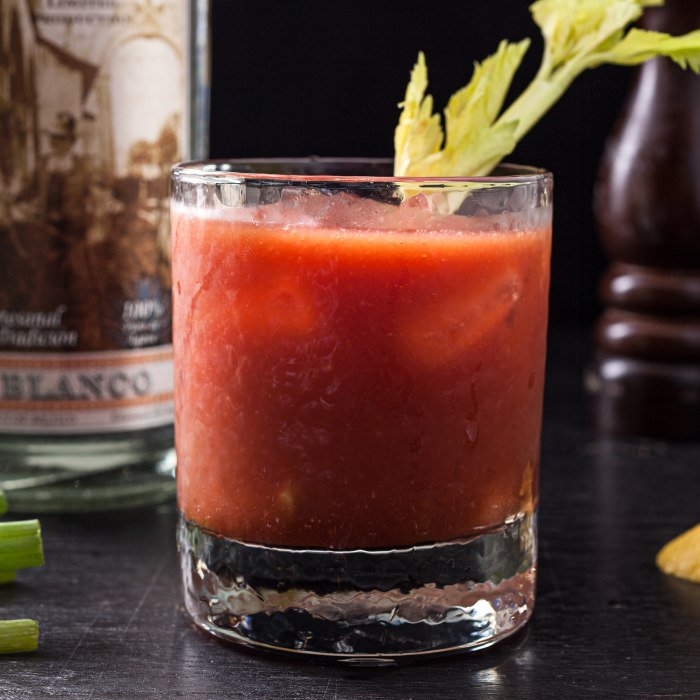
Bloody Maria
The Bloody Maria is a savory twist on the classic Bloody Mary, substituting vodka with tequila for a bold and flavorful experience. This vibrant cocktail blends fresh tomato juice, lime juice, and an array of spices, often garnished with a variety of toppings like celery, olives, or jalapeños, making it a perfect brunch companion or a refreshing drink for any occasion. Its unique combination of flavors offers a delightful kick that sets it apart from its predecessor.
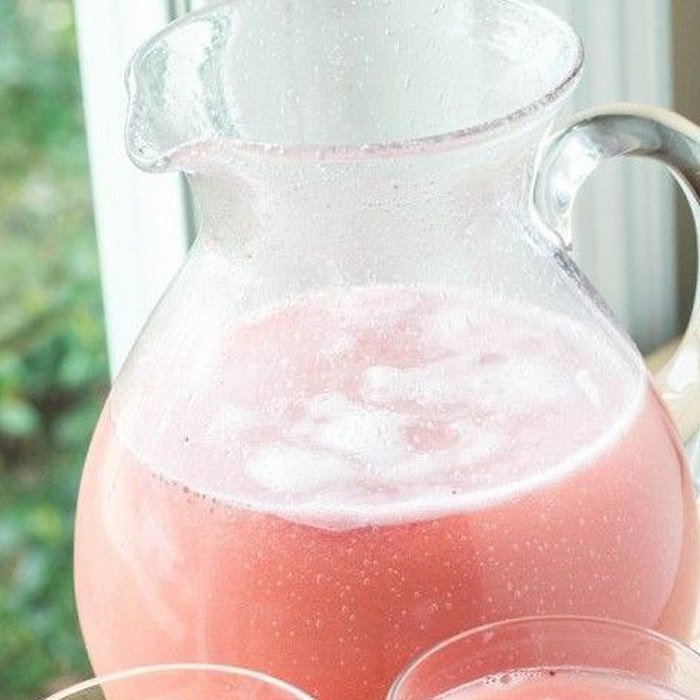
Pink Penocha
The Pink Penocha is a vibrant and playful cocktail that combines the sweetness of ripe strawberries with the tangy kick of fresh lime juice. This refreshing drink is beautifully garnished with a sprig of mint, making it the perfect choice for summer gatherings or a fun night out. Its delightful pink hue and fruity flavor profile are sure to tantalize your taste buds and elevate any occasion.
Advertisement